
Last updated November 4, 2026
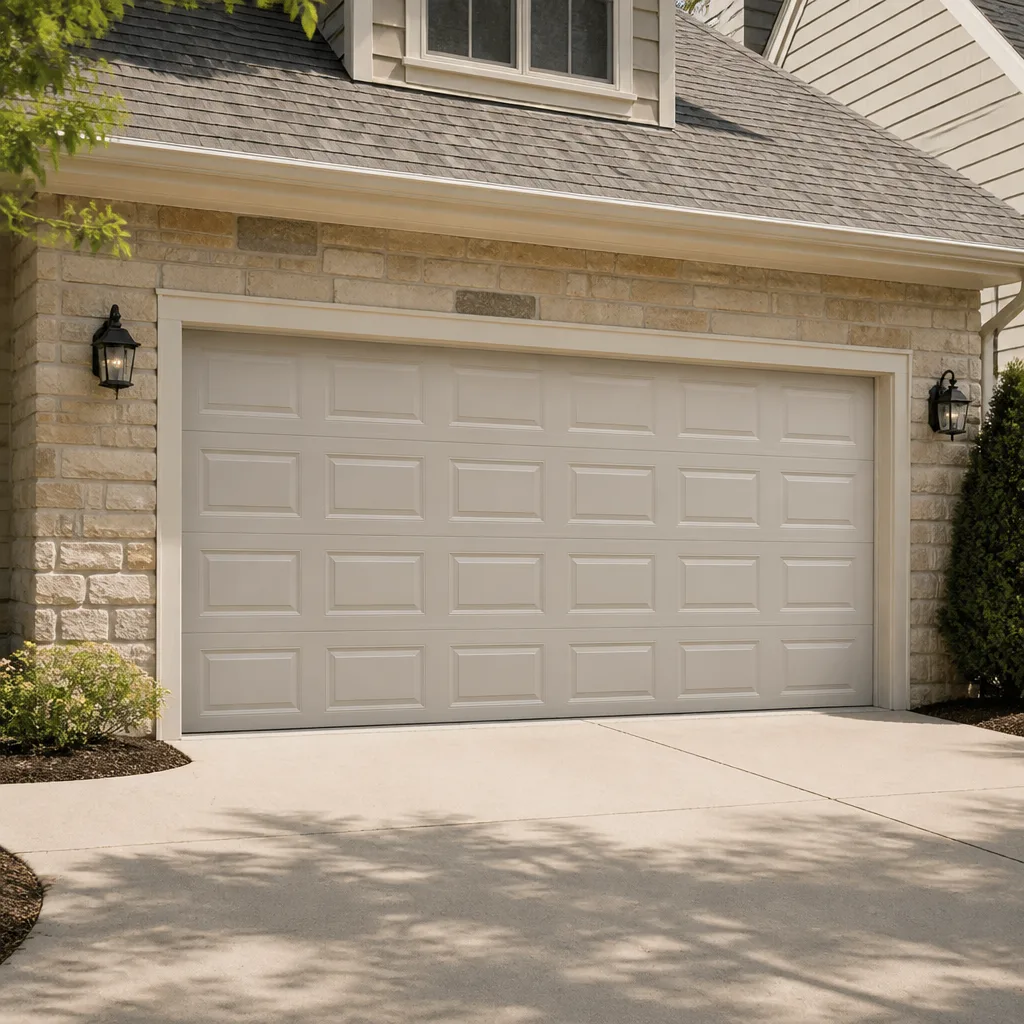 Raised-panel steel
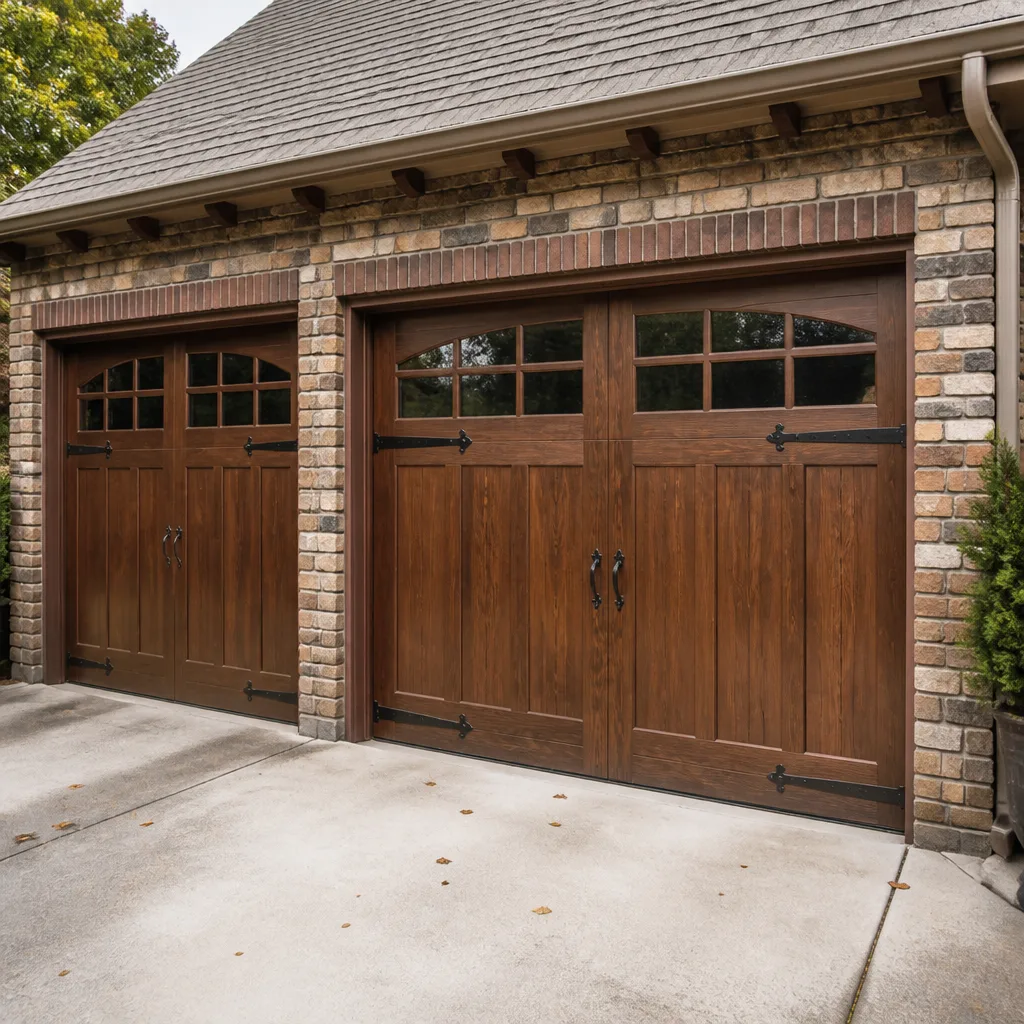 Carriage house
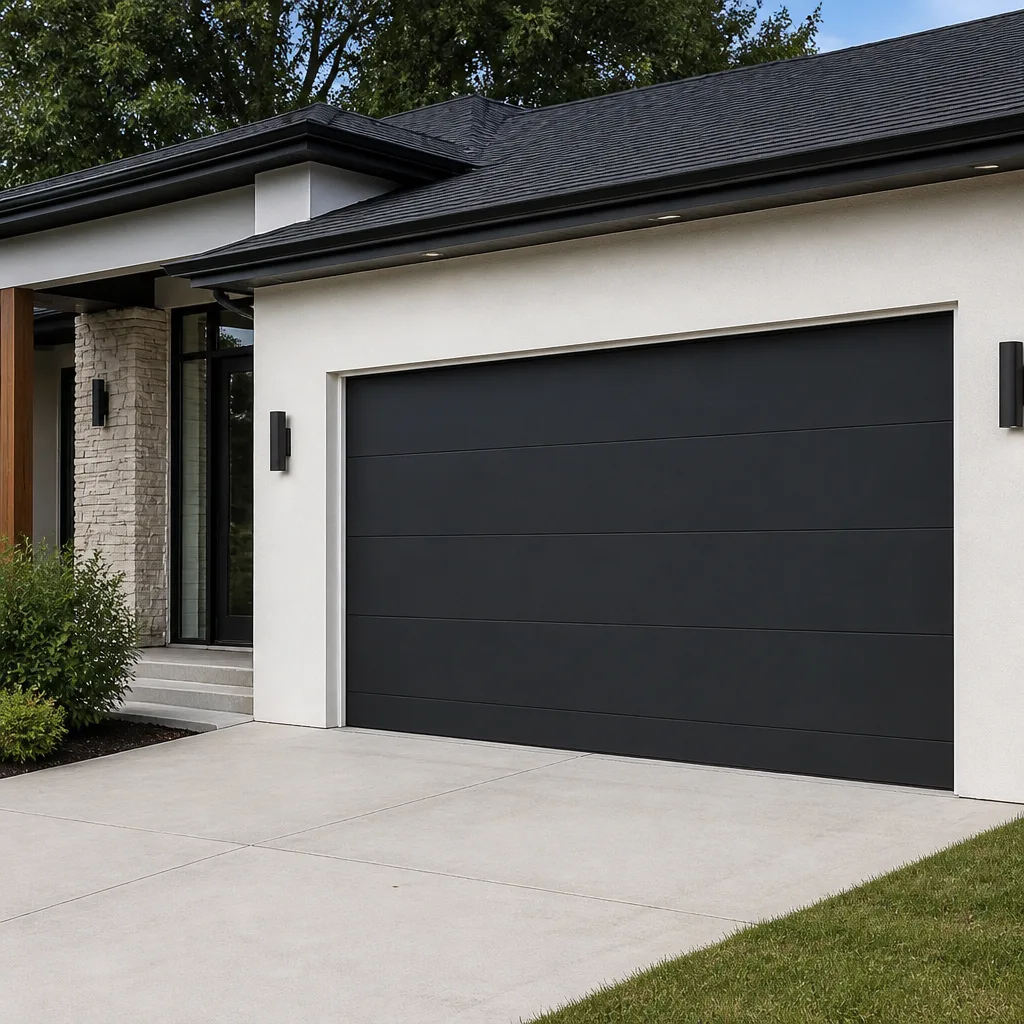 Modern flush
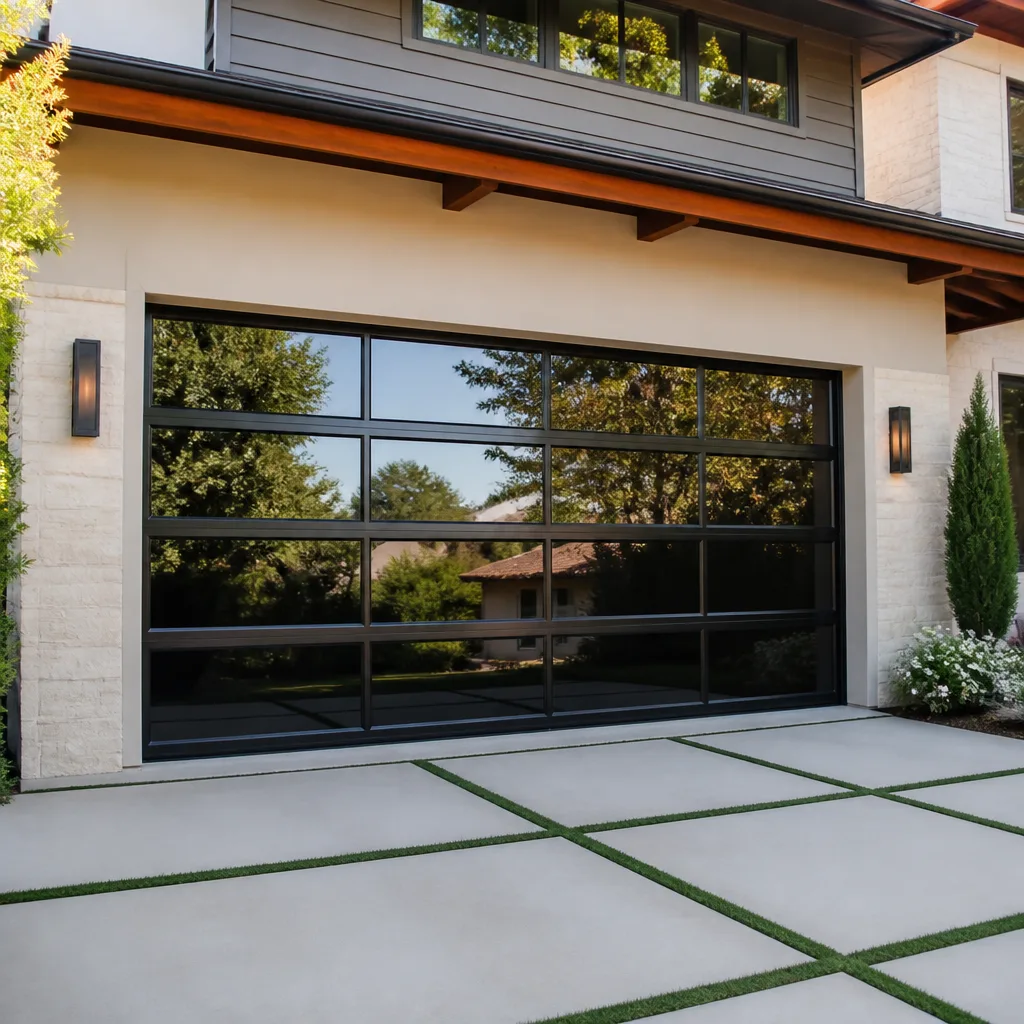 Full-view glass
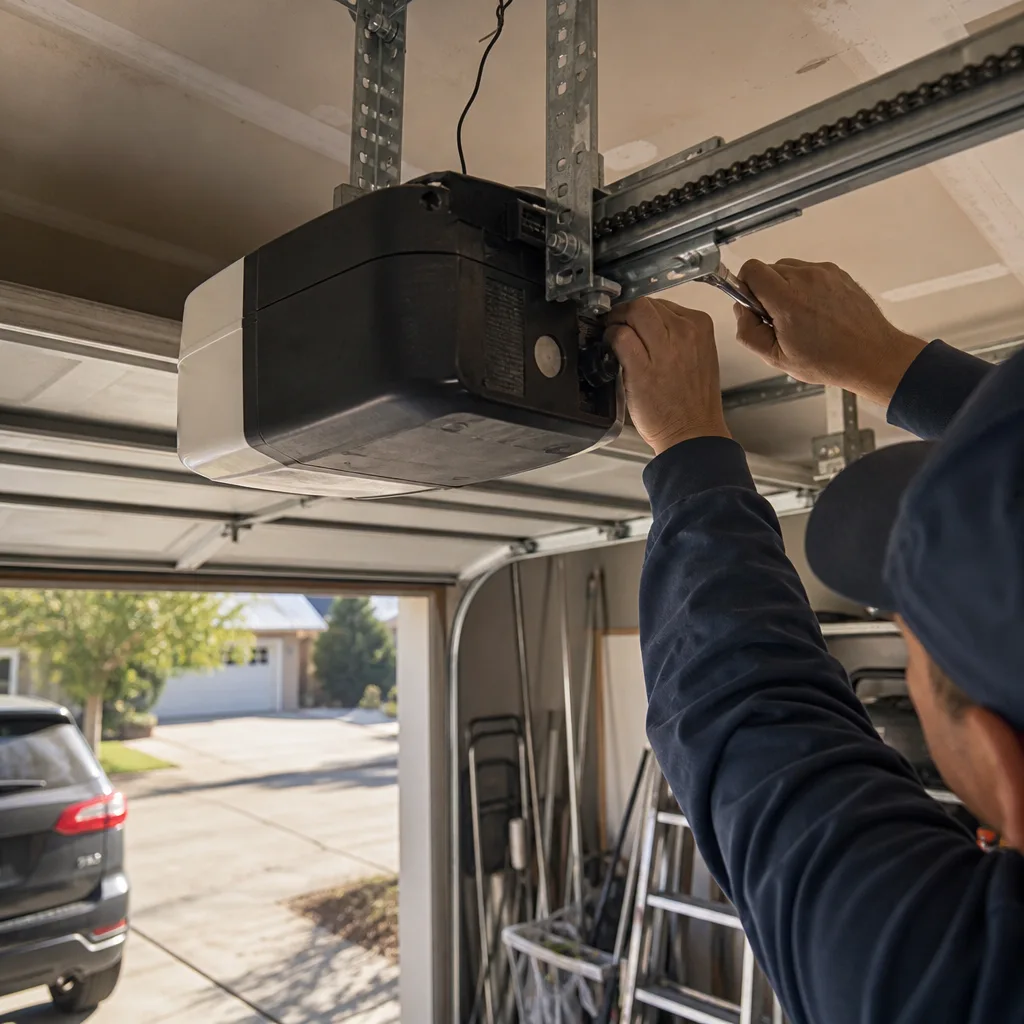
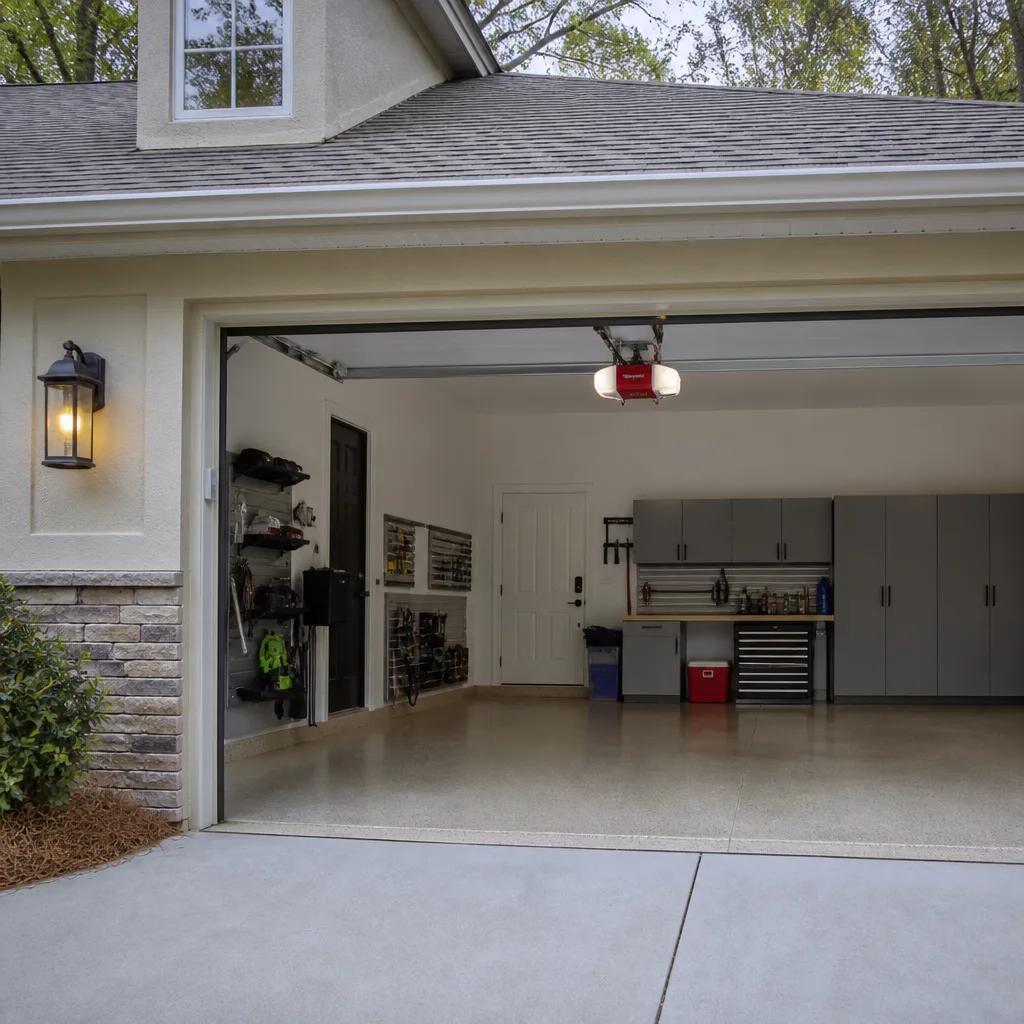 LiftMaster openers
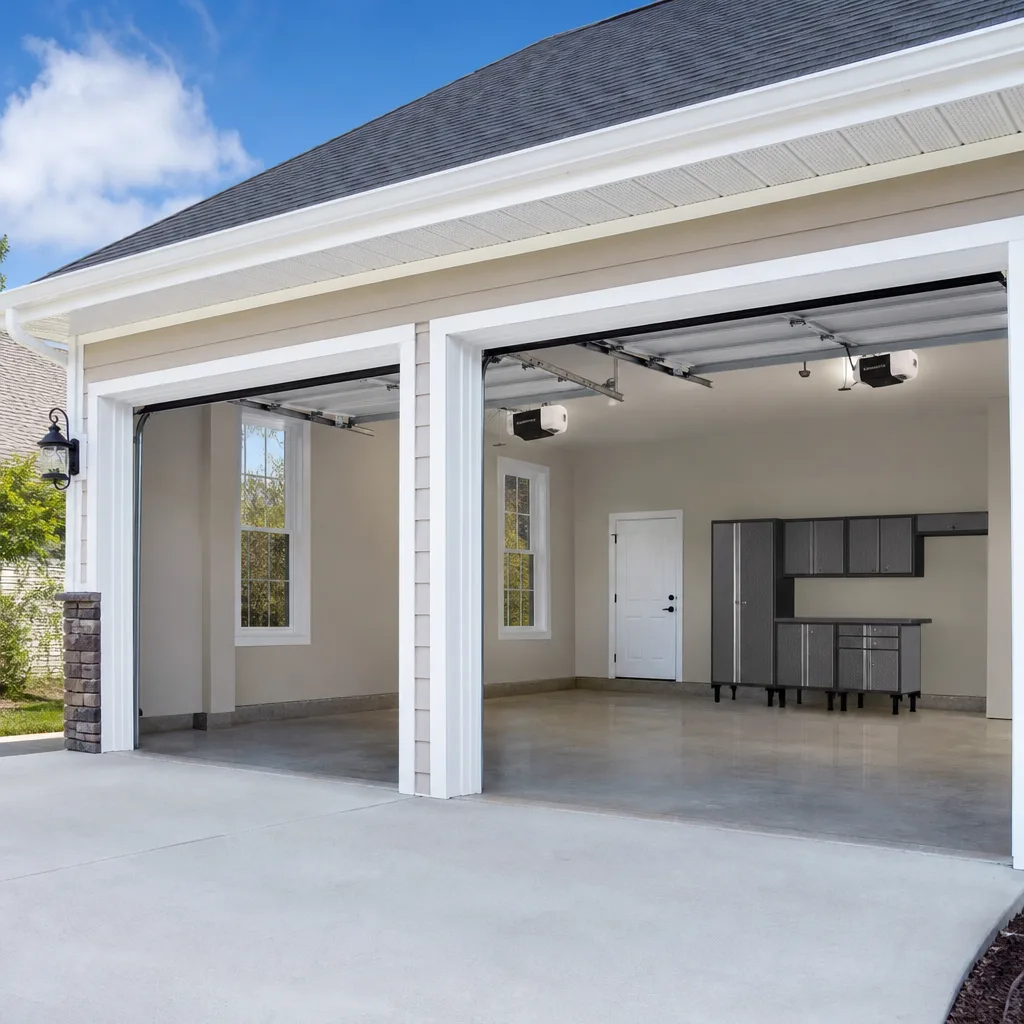 Chamberlain openers
Full 25-point door and opener safety check with every visit - springs, cables, rollers, tracks, and your LiftMaster or Chamberlain opener included
You get a price before we start. It does not change when the truck arrives.
Get your free estimateSeasonal Garage Door Care for Lakewood: Year-Round Homeowner’s Guide
Most garage door maintenance advice you’ll find online is written for places with snow, ice, and summer thunderstorms. Lakewood doesn’t work that way. Our climate produces two distinct failure windows that a generic four-season checklist completely misses: the sustained May-through-July marine layer humidity that eats at torsion spring coils, and the dry Santa Ana wind events of fall that shrink weather seals and load tracks with airborne grit. This guide covers what actually happens to garage doors in Lakewood, when to check for it, and what to do before a small seasonal issue becomes a spring replacement or a dead opener motor. You’ll get a practical inspection rhythm built around our local weather pattern, not a calendar that doesn’t apply here.
Quick Answer
Seasonal garage door care in Lakewood means two focused inspection windows rather than four: a spring check before the marine layer peaks in June to address rust on torsion springs and hardware, and a fall check before Santa Ana winds arrive to clean tracks and recondition dried weather seals. Summer heat mainly affects bottom seal compression on sun-baked driveways, while winter requires a simple opener sensitivity check. A homeowner who does these two 20-minute inspections per year prevents most of the failures we see on service calls across Lakewood.
Styles & brands we work with
- Raised-panel steel
- Carriage house
- Modern flush
- Full-view glass
- LiftMaster openers
- Chamberlain openers
Table of Contents
- Why Lakewood’s Climate Breaks the Standard Maintenance Calendar
- Spring and Marine Layer Care: Rust Prevention Before June Gloom
- Summer Heat: Bottom Seals, Track Expansion, and Sun-Baked Driveways
- Fall and Santa Ana Season: Track Debris and Dry-Shrunk Weather Seals
- Winter Maintenance: Opener Sensitivity and Cooler Overnight Temps
- Tools and Materials Worth Keeping on Hand
- Common Mistakes to Avoid
- When to Call a Professional
- Frequently Asked Questions
Why Lakewood’s Climate Breaks the Standard Maintenance Calendar
Lakewood sits far enough inland to avoid the worst coastal fog, but close enough to the Pacific that the late-spring marine layer settles over the city most mornings from May through July. That persistent moisture, combined with daytime temperatures climbing into the 70s and 80s, creates exactly the conditions that accelerate oxidation on exposed steel. We see the result every year: torsion spring coils with a fine surface rust that most homeowners never notice until the spring snaps or a bearing starts grinding.
The fall brings the opposite problem. Santa Ana winds push dry air from the high desert toward the coast, dropping relative humidity into the teens for days at a time. Rubber weather seals lose moisture and shrink slightly. Dust and grit carried on the wind collect in the horizontal tracks and along the top of the opener rail. Neither condition is dramatic on its own, but both wear down components faster than they would in a more stable climate.
What this means practically is that you get two meaningful inspection periods, not four. Spring inspection happens in April or early May, before the marine layer settles in for good. Fall inspection happens in September or early October, before the first strong Santa Ana event. Summer and winter need only light, condition-specific checks.
Spring and Marine Layer Care: Rust Prevention Before June Gloom
The most important spring task in Lakewood is looking for rust on torsion spring coils. Surface rust on a spring isn’t an emergency, but it is an early warning. When rust pits the coil surface, it creates stress concentrations that can eventually lead to fatigue cracking and a snapped spring. The sustained humidity of June Gloom accelerates this process more than any other period in the year.
Spring Inspection Steps
- Look at the torsion spring coils with the door closed. Use a flashlight. You’re looking for a fine orange-brown dusting or any flaking. Minor surface rust is treatable. Deep pitting or visible cracks are not.
- Check the spring anchor brackets and bearing plates at each end of the torsion tube. These steel components rust faster than the spring itself because they’re constantly exposed and often not coated.
- Inspect the bottom seal for any tears that developed over winter. Even a 2-inch gap lets humid outside air into the garage, which feeds rust on everything metal inside.
- Test the door balance by pulling the emergency release cord and manually lifting the door to about waist height. It should stay in place without drifting. A door that falls or rises on its own has a spring tension problem.
- Listen to the opener during a full cycle. A smooth, even hum is normal. Grinding, rattling, or a change in pitch means something is loose or worn.
Rust Treatment That Actually Works
If you find light surface rust, wipe the coil with a clean rag to remove loose oxidation, then apply a light coat of a spray-on corrosion inhibitor designed for metal springs and cables. Do not use WD-40 as a long-term protectant. It displaces moisture well but evaporates quickly and leaves little behind. A dedicated rust-inhibiting product or a light lithium grease will last longer through the humid season. Never spray lubricant on the opener belt or chain itself, and keep it off the bottom seal, since petroleum products degrade rubber over time.
For any Lakeside or east Lakewood home with a garage door repair history, this spring check is the single highest-return 20 minutes you can spend. Most spring failures we see in June and July are preceded by visible rust in April that nobody noticed.
This is also a good time to note which brand of opener you have, since garage door opener repair is usually faster when we know in advance whether we’re looking at a LiftMaster, Chamberlain, Genie, or an older Wayne Dalton or Craftsman unit. Write the model number on a piece of tape and stick it to the opener cover. It saves time on any future service call.
Summer Heat: Bottom Seals, Track Expansion, and Sun-Baked Driveways
Lakewood summers are warm but not extreme. Daytime highs usually stay in the 80s, with occasional pushes into the low 90s. What matters for your garage door isn’t the air temperature directly, it’s the surface temperature of the driveway and the lower panel. Asphalt in direct sun can reach 140°F or more, and that radiated heat changes how the bottom seal behaves.
Most residential bottom seals are made from vinyl or a vinyl-rubber blend. When compressed against a hot surface day after day, softer durometer seals deform and take a permanent set. You’ll know this is happening when you see light under one corner of the door in the late afternoon, even though the door sat flush all morning. A seal that has flattened out doesn’t spring back, and it won’t keep out dust, insects, or the marine layer air that rolls in after sunset.
The fix is usually a replacement seal with a slightly firmer durometer rating. You don’t need anything exotic; a standard T-style or bulb seal in a mid-firm durometer handles Lakewood’s summer driveway heat well and wears slowly. Softer seals cost less but need replacing twice as often when they’re parked on hot asphalt all afternoon.
Summer is also when you’re most likely to notice track expansion noise. Steel tracks heat up during the day and expand slightly. If the mounting brackets are too tight against the wall, that expansion transmits as a popping or creaking sound partway through the opening cycle. This is more common on west-facing garage doors that catch afternoon sun. The fix is usually minor: shims behind the track brackets to allow normal expansion, or a slight loosening and re-torquing of the bracket bolts.
Finally, take one early-summer look at the weather stripping around the sides and top of the door. The same daytime heat that affects the bottom seal also accelerates degradation of perimeter seals on sun-facing doors. If you can see daylight through the side seals with the door closed, replacement is due before winter.
Fall and Santa Ana Season: Track Debris and Dry-Shrunk Weather Seals
Santa Ana winds are the biggest seasonal factor for Lakewood garage doors in the fall. The winds carry dust, leaf fragments, and fine grit from the inland valleys toward the coast. When they hit your house, that grit settles on horizontal surfaces, including the horizontal garage door tracks and the top of the opener rail.
Grit buildup in the tracks isn’t immediately destructive, but it works into the roller bearings and track surfaces over time. Rollers pick up the abrasive particles and drag them along the track, gradually scoring both surfaces. The result is a door that gets progressively louder and rollers that wear out faster than they should.
Fall Cleaning Sequence
- Close the door all the way so the horizontal tracks are fully extended.
- Wipe each horizontal track with a dry rag or a shop towel. You’re removing grit, not degreasing. Do not add any lubricant to the track itself.
- Clean the opener rail if you have a chain or belt drive. A dry rag works for chains; a light wipe with a clean rag works for belts. Never grease the belt or add chain lube unless the manufacturer calls for it.
- Check the weather seals around the top and sides. Dry Santa Ana air causes vinyl and rubber seals to lose moisture and shrink slightly. A seal that was flush in June may now show small gaps at the corners.
- Recondition or replace dried seals. A rubber-safe conditioning product can restore some flexibility to mildly dried seals. If the seal is cracked or visibly shrunken, replace it before winter.
- Check the emergency release cord to make sure it hasn’t tangled or wrapped around anything. Santa Ana winds can push the cord against shelves or stored items.
We also recommend a fall check of any Raynor, Amarr, or Clopay doors that use exterior-mounted weather stripping, since these brands have slightly different seal profiles. Different manufacturers use different T-channel sizes and bulb shapes. If you’re replacing a seal yourself, match the profile to the brand, not just the width.
Winter Maintenance: Opener Sensitivity and Cooler Overnight Temps
Lakewood winters are mild, with overnight lows typically in the mid-40s. That’s nowhere near freezing, but it’s enough to change the behavior of metal components slightly. Rails contract a touch, hinges get a tiny bit tighter, and the door moves with just a little more friction on the first open of the morning than it does at noon.
Most modern openers, including the LiftMaster and Chamberlain lines with smart controls, have adjustable force sensitivity. The opener measures how much resistance it encounters as it closes and reverses if that resistance exceeds the set threshold. When the door runs a little stiffer in cool weather, an opener set near the sensitive end of its range may reverse mid-cycle for no apparent reason.
This is the “phantom reversal” problem homeowners call about most often in winter. The door starts closing, gets partway down, and reverses without touching anything. It looks like a safety sensor problem, but it’s often just an opener that needs a small force adjustment to compensate for the cooler morning run.
Winter Opener Check
- Run the door through a full close cycle early in the morning, when the garage is coolest.
- If it reverses mid-cycle, first check that nothing is physically obstructing the door and that the safety sensor lenses are clean and aligned.
- If it still reverses, the force setting likely needs a small upward adjustment. This is a 5-minute change on most LiftMaster, Chamberlain, and Genie units. Check the owner’s manual for the specific adjustment procedure.
- Run the door twice more to confirm it closes smoothly without excessive force at the bottom. You want the lowest force setting that still allows a complete cycle.
- Test the auto-reverse safety function by placing a piece of scrap wood flat on the floor in the door’s path. The door should reverse on contact. If it doesn’t, call a technician.
- Flashlight or headlamp for inspecting springs, cables, and bearings in the shadowed area above the door.
- Clean dry rags or shop towels for wiping tracks, springs, and the opener rail.
- Spray-on lithium grease or a dedicated garage door lubricant for hinges, rollers, and bearing points. Do not use it on tracks.
- Rubber-safe seal conditioner for refreshing perimeter weather seals before and after Santa Ana season.
- Ladder tall enough to reach the torsion tube and horizontal tracks safely. Never work from a step stool balanced on the door or a workbench.
- Notepad or notes app for recording your opener’s brand and model number, plus the date of each inspection and what you found.
- Waiting for a visible problem before inspecting. By the time a torsion spring shows obvious flaking rust or a bottom seal has a visible gap, the component is already most of the way to failure. The spring inspection in April is meant to catch rust before it pits. If you can see damage from across the garage, you’ve waited too long.
- Lubricating the track. This is the most common garage door maintenance error. Tracks are meant to run dry; anything you spray on them collects dust and grit and turns into a grinding paste. Lubricate the rollers, hinges, and bearings only.
- Using WD-40 as a spring protectant. It’s fine for quick moisture displacement, but it evaporates too quickly to serve as a lasting corrosion barrier during Lakewood’s June Gloom season. Use a dedicated dry-film or lithium-based protectant.
- Ignoring phantom reversals. A door that reverses for no reason in cool weather is telling you something. In Lakewood, it’s usually an opener force setting that’s drifted too sensitive. Adjusting it is cheap; ignoring it leads to a door that won’t close at all.
- Replacing one torsion spring instead of both. If one spring on a paired spring system snaps, the other is usually near the end of its life too. Replacing both at the same time costs more than a single spring, but it keeps the door balanced and avoids a second service call months later.
- Doing any work on a wound torsion spring yourself. The torsion spring on a garage door holds enough stored energy to cause serious injury if it’s released incorrectly. Inspection and light cleaning on the coils are fine, but adjustment or replacement is a job for a technician with the right winding bars and training.
- Forgetting that the door and the opener are two different systems. Many homeowners diagnose a door that won’t open as an opener problem when it’s actually a broken spring, or vice versa. The two systems work together, and fixing one while ignoring the other leaves you with half a repair.
The cooler months are also a fair time to check the remote controls and backup battery on your opener. Batteries in remotes and keypads drain faster in cooler conditions. If your remote range has been getting shorter, it’s usually a low battery rather than an opener problem. On LiftMaster and Chamberlain smart openers, verify the app connection is still working, since these units rely on a stable home Wi-Fi signal for remote operation.
Tools and Materials Worth Keeping on Hand
You don’t need a mechanic’s tool set to maintain a garage door in Lakewood. A few basics cover almost all of the routine inspection and minor service tasks a homeowner should do. This list is deliberately short; the high-tension components on a garage door are not a do-it-yourself area.
If you’re installing a new bottom seal, a utility knife and a flathead screwdriver are usually enough for most brands. Different door manufacturers use different retainer channel shapes, so match the replacement seal to the door brand. Clopay and Amarr doors, for instance, use different standard bottom-seal profiles than older Wayne Dalton or Raynor doors.
Common Mistakes to Avoid
When to Call a Professional
Most of the seasonal maintenance described in this guide is within reach for a careful homeowner. But there are clear lines. Any adjustment, repair, or replacement involving torsion springs or cables is a professional job. The stored energy in those springs is enough to cause fracture injuries if a winding bar slips. Same for anything that involves removing the bottom bracket, since that bracket is under spring tension even when the door is fully open.
Also call a technician when you’ve done the basic maintenance and the door still doesn’t run right. A door that’s noisy after cleaning the tracks, or that still reverses after an opener force adjustment, usually has a mechanical problem that takes diagnosis to find. Garage Door Service Lakewood offers free estimates in Lakewood. Call (866) 596-9807. We answer 24/7. Fast dispatch from 7am to 7pm, Sunday through Friday.
Frequently Asked Questions
Do two focused inspections per year in Lakewood: one in April or early May before the marine layer settles in, and one in September or October before Santa Ana winds begin. Each inspection takes about 20 minutes and covers the springs, tracks, seals, and opener settings. A quick monthly look at the door during normal use is enough in between.
Yes, the sustained morning humidity from May through July creates the most active rust conditions of the year for exposed garage door steel. Torsion spring coils and steel bearing plates are the most affected parts. Surface rust is treatable if caught early; pitting and cracking require spring replacement. For an exact quote on spring replacement or any other garage door repair, call (866) 596-9807. Estimates are free.
Cooler overnight temperatures in Lakewood make the door run with slightly more friction, which can trigger the opener’s force sensitivity setting. The door starts closing, meets more resistance than the opener expects, and reverses as a safety response. A small upward adjustment to the force setting usually fixes it. If the door still reverses after adjustment, the safety sensors or a mechanical issue may be at fault.
Inspection and light cleaning on torsion spring coils are fine, but adjustment or replacement is not a do-it-yourself job. Torsion springs store significant energy even when the door is fully open, and a slipping winding bar can cause serious injury. We recommend calling a professional for any spring adjustment or replacement. Most systems are back in service the same day.
We work on all the major residential opener brands, including LiftMaster, Chamberlain, Genie, Craftsman, and Raynor. Whether your opener is an older chain-drive unit or a smart-enabled system controlled through an app, the same team handles the door mechanism and the opener in one visit. Call (866) 596-9807 with your model number and we’ll tell you what’s involved.
Seasonal maintenance you do yourself costs almost nothing, mostly a few consumables like lubricant and rags. Professional inspection and minor tune-up work is priced per job by written estimate, and the estimate is free. The exact cost depends on what we find, but you’ll always know the price before any work starts. Call (866) 596-9807 to schedule a free estimate.
The Bottom Line
Lakewood’s climate doesn’t punish garage doors with snow and ice, but it has its own seasonal rhythm that breaks the standard maintenance playbook. The marine layer from May through July rusts springs and hardware faster than any other time of year. Santa Ana winds from September through November shrink seals and load tracks with abrasive grit. Summer heat flattens bottom seals on sun-baked driveways, and cool winter nights make openers run just stiff enough to cause phantom reversals. A homeowner who inspects in April and September, and who never touches a wound torsion spring themselves, avoids the vast majority of what we see on service calls. For anything beyond light maintenance, garage door opener repair and full-system service are one call away. Call (866) 596-9807 for a free estimate. We answer 24/7. Fast dispatch from 7am to 7pm, Sunday through Friday.
Written by the team at Garage Door Service Lakewood, serving Lakewood since 2013.
See the difference
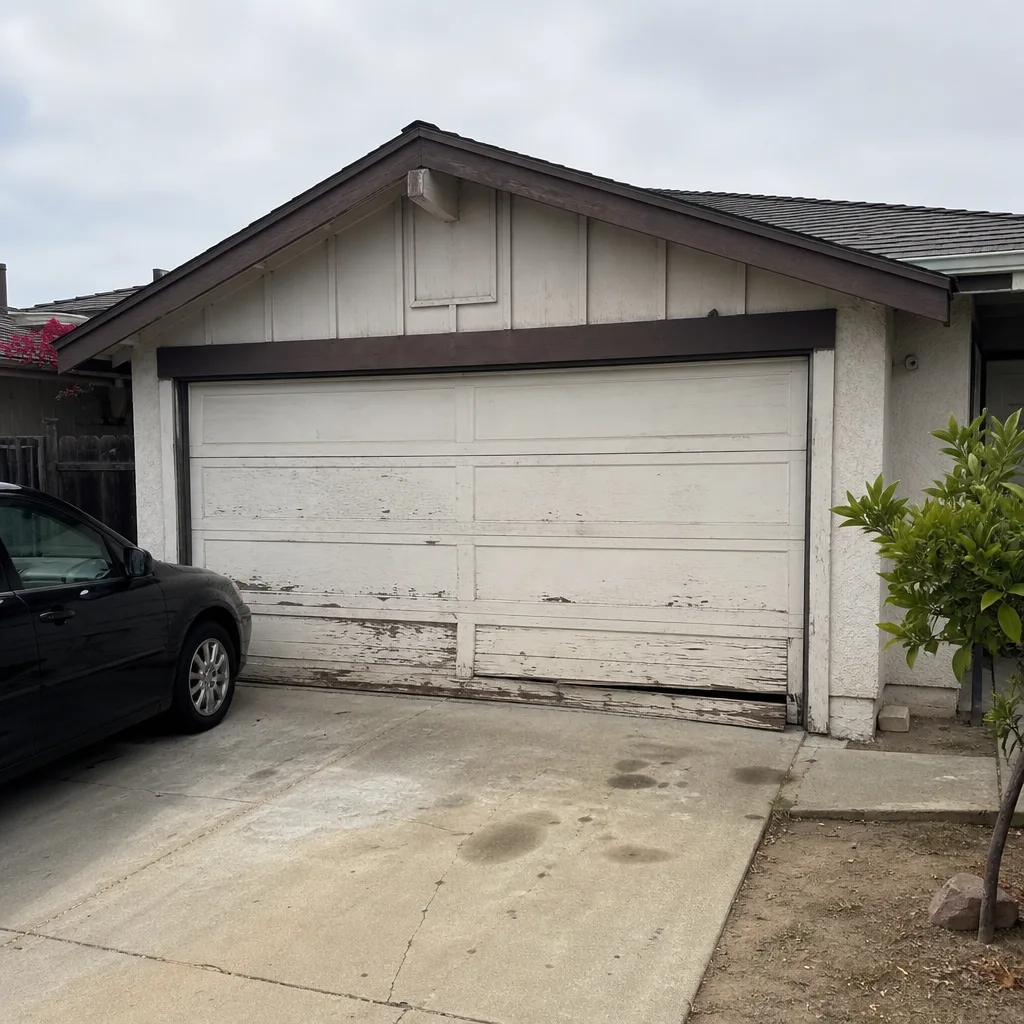 Before
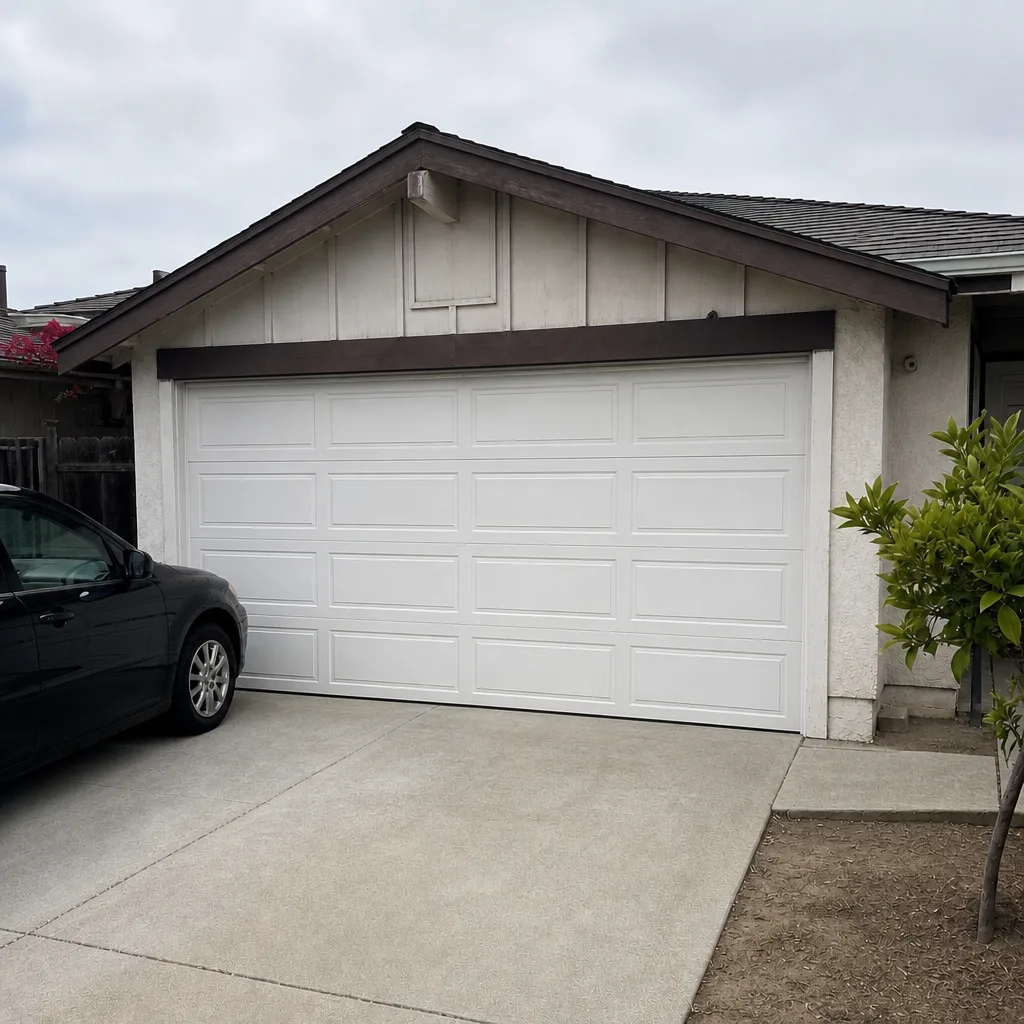 After
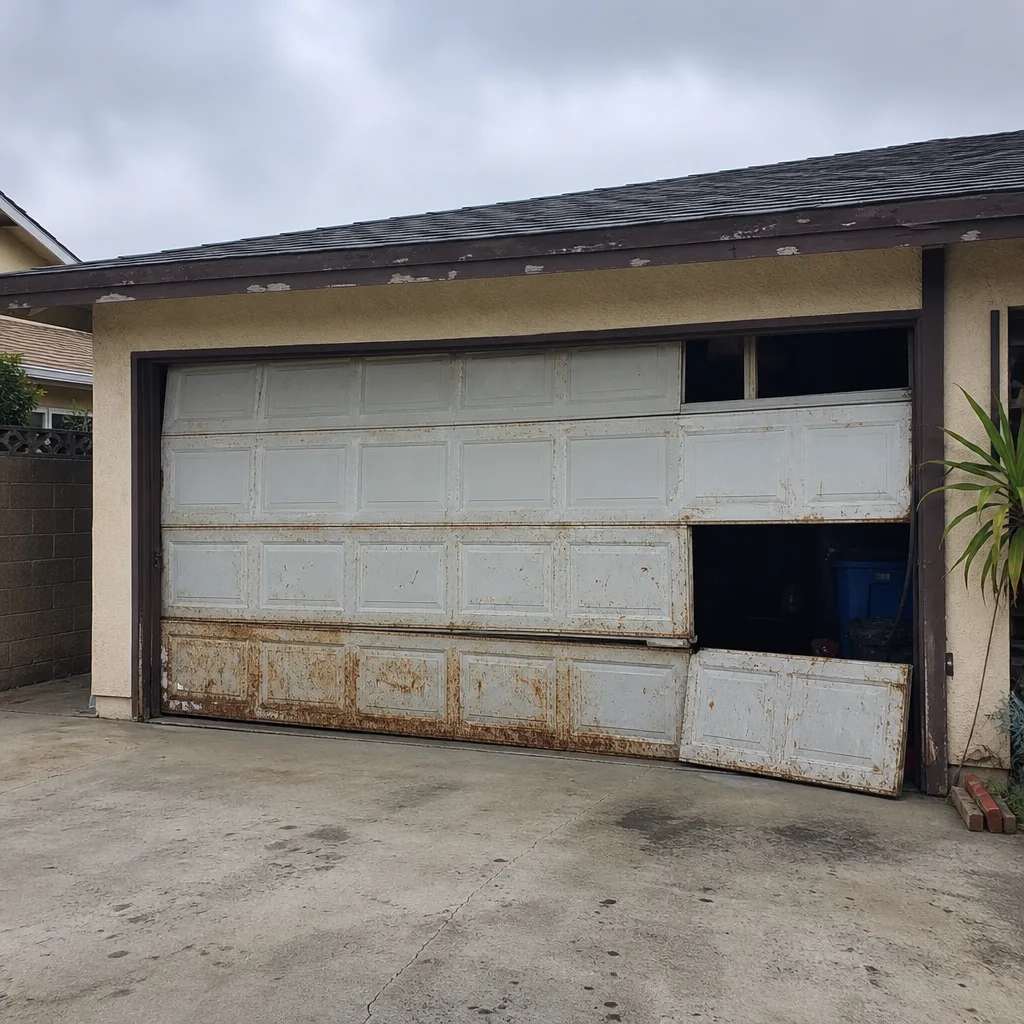 Before
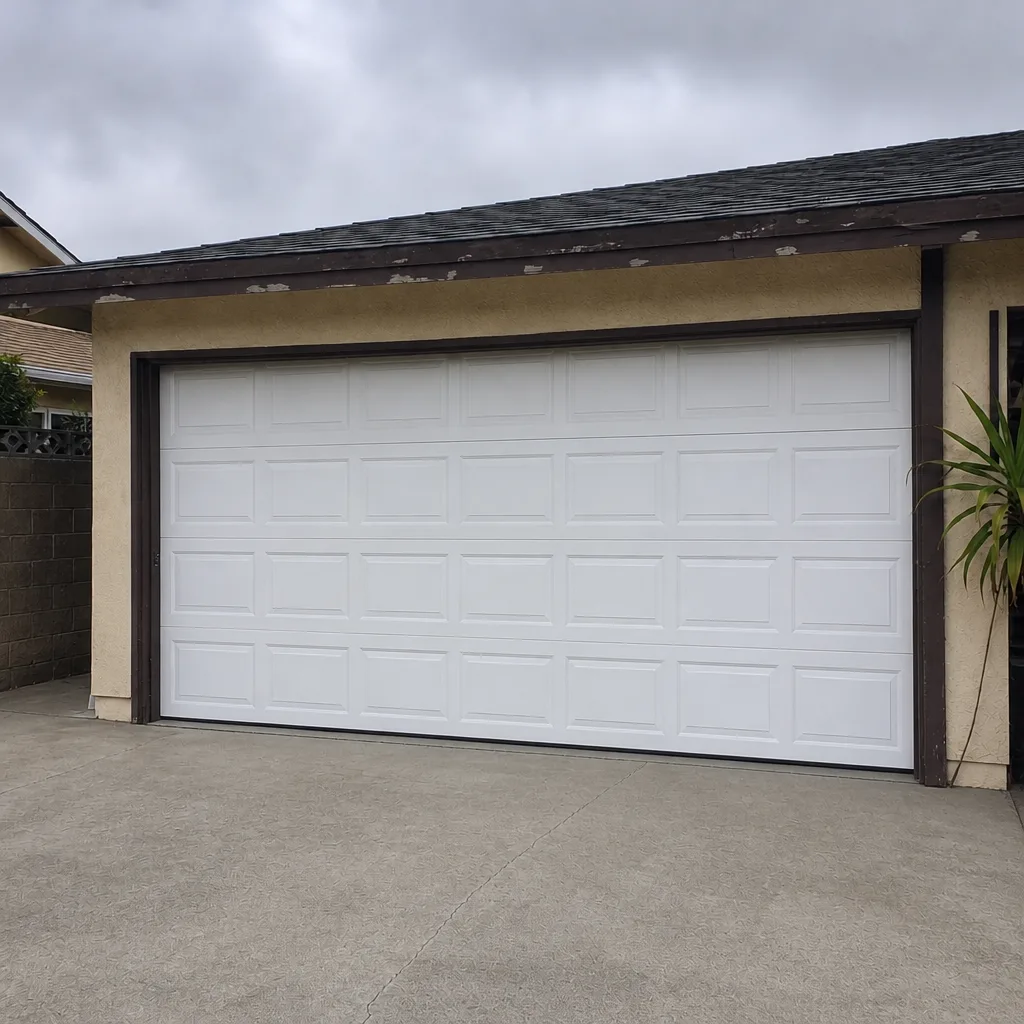 After
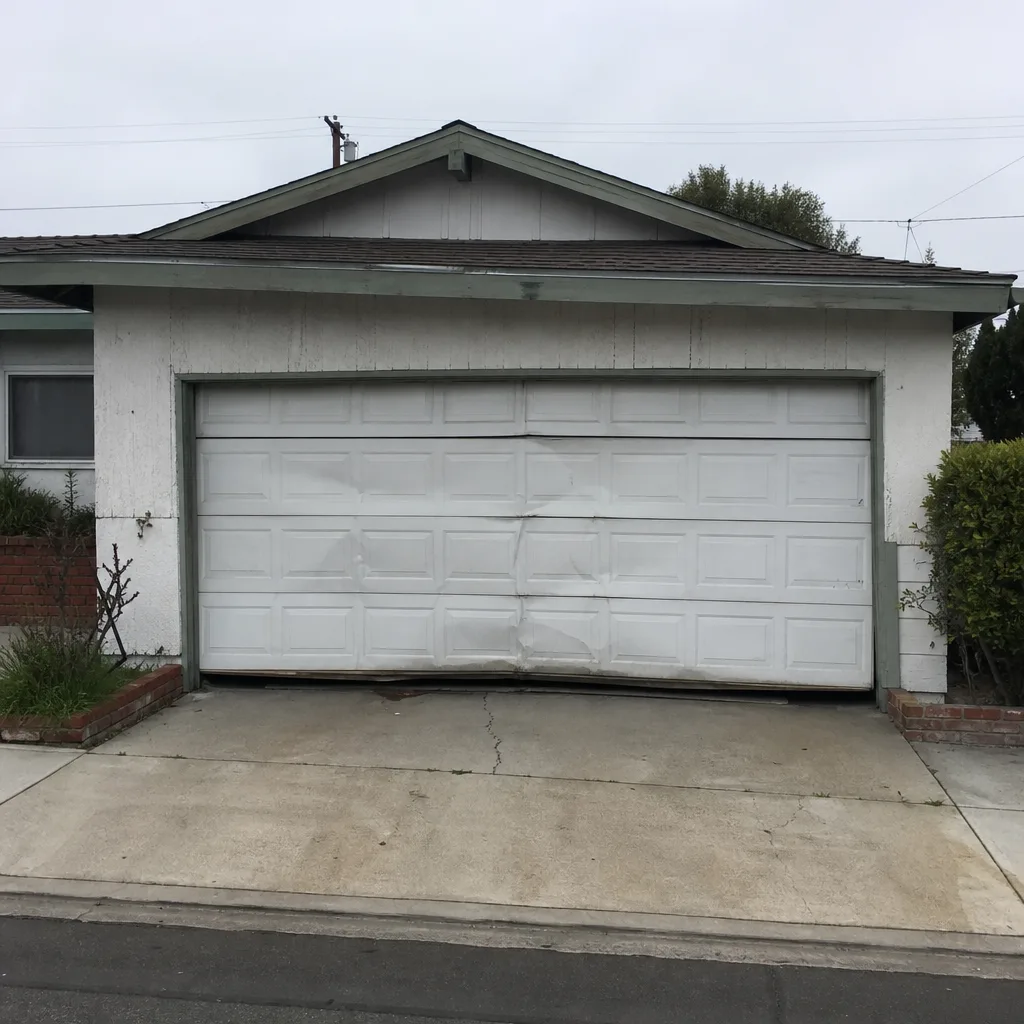 Before
 After