
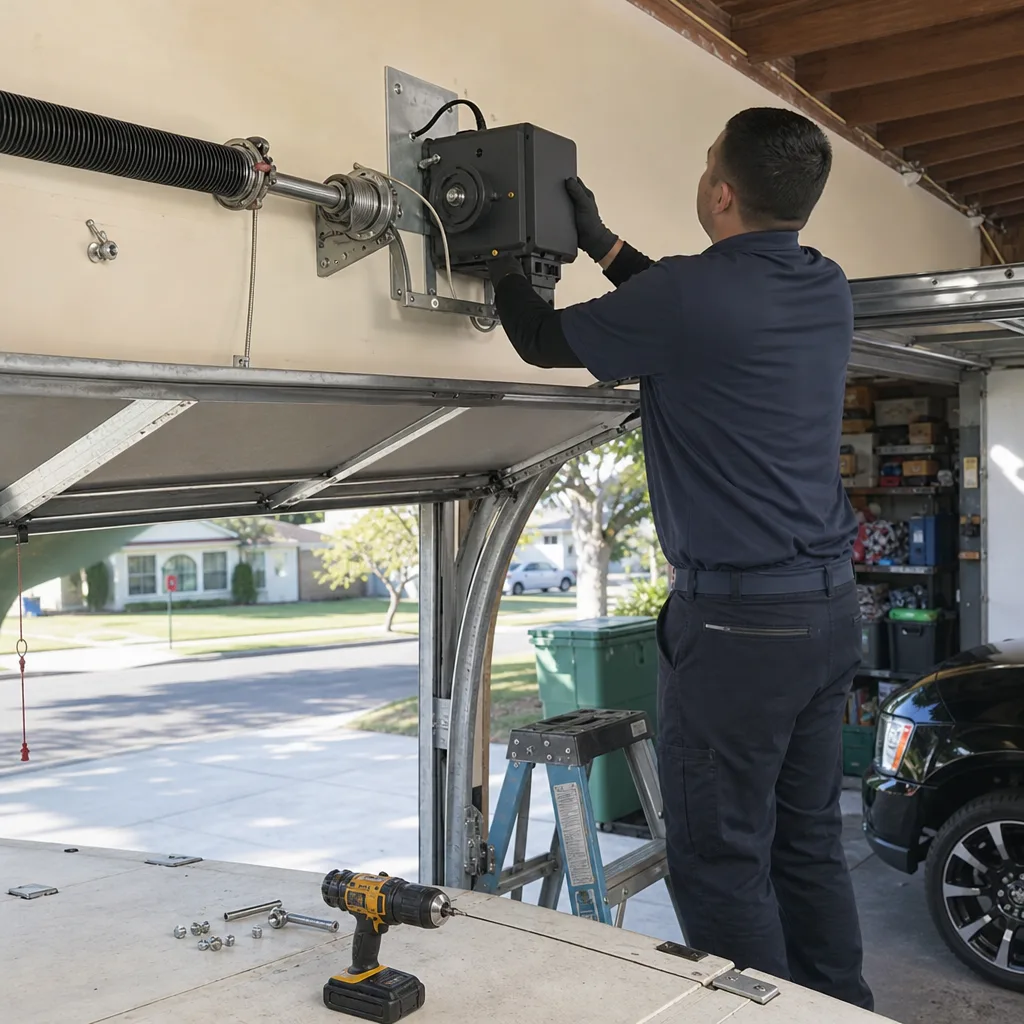
Last updated November 4, 2026
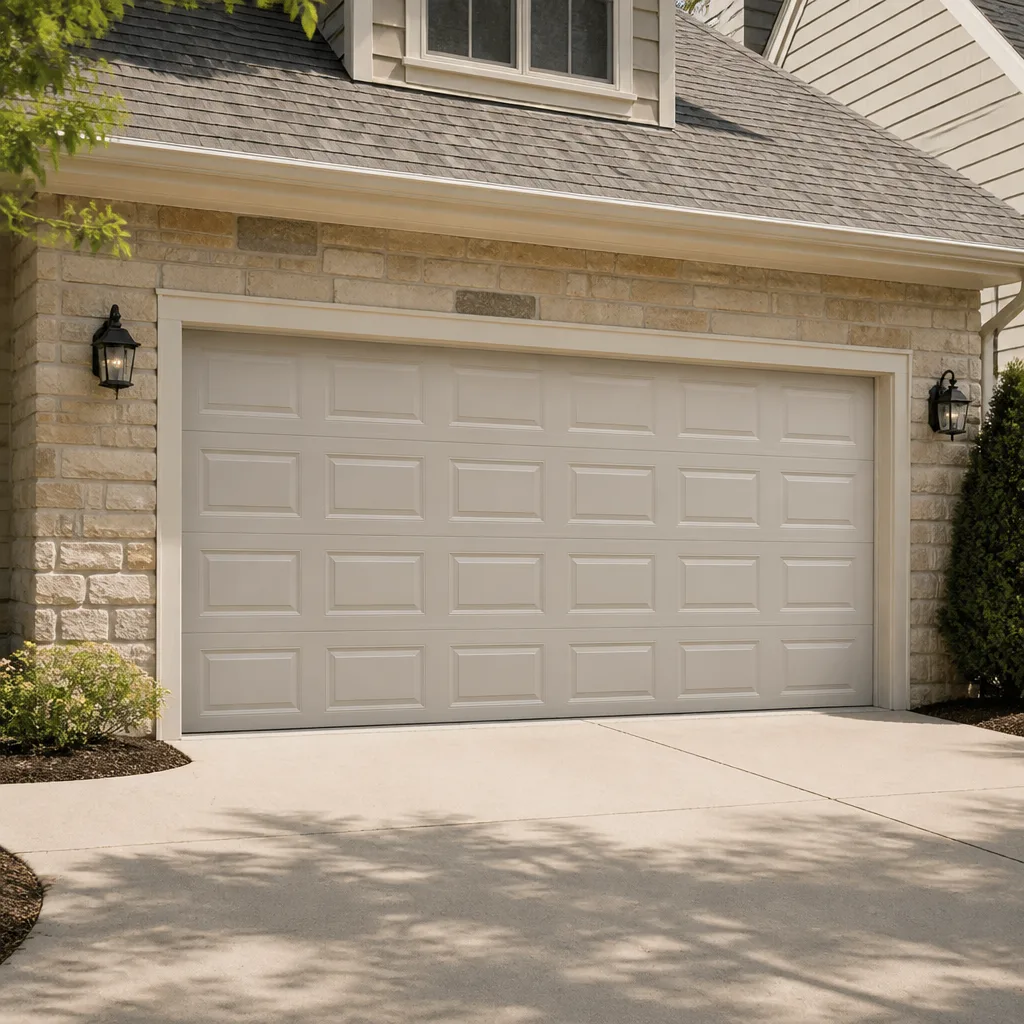 Raised-panel steel
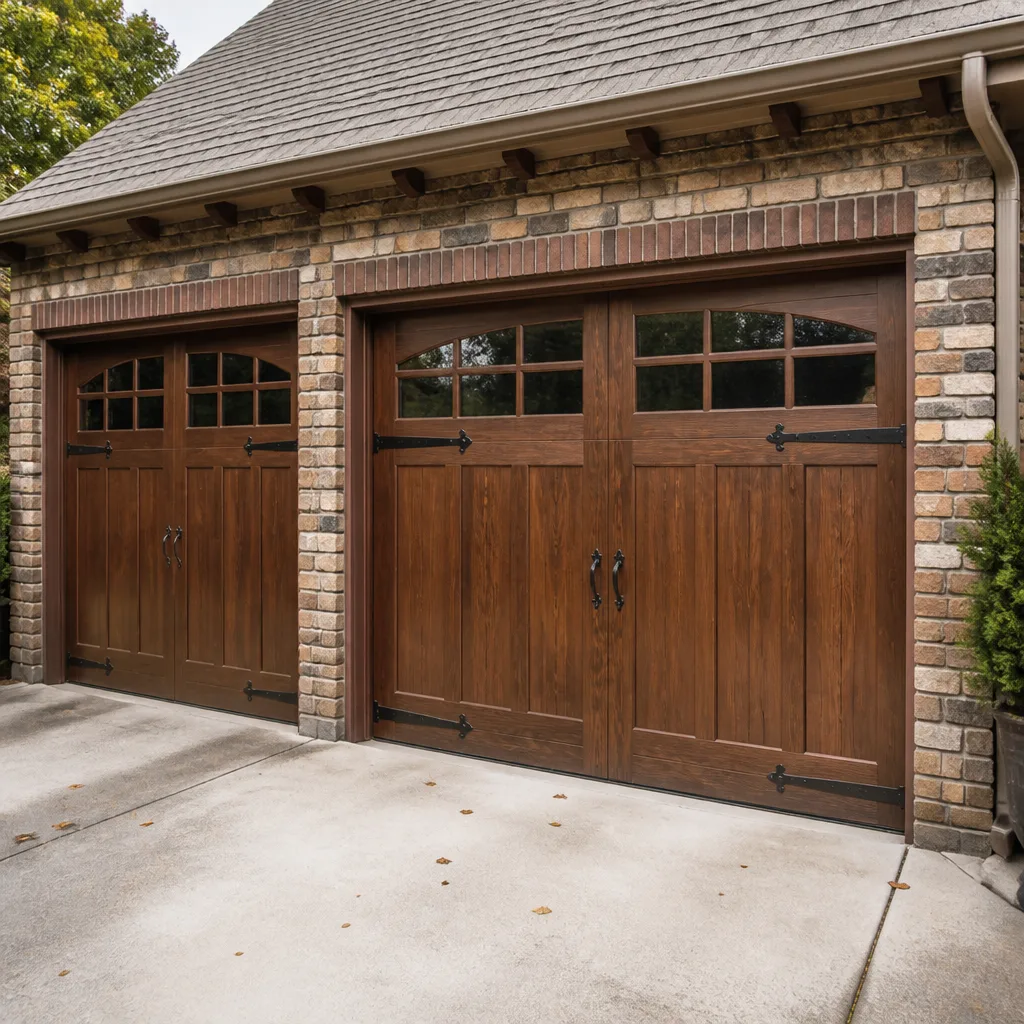 Carriage house
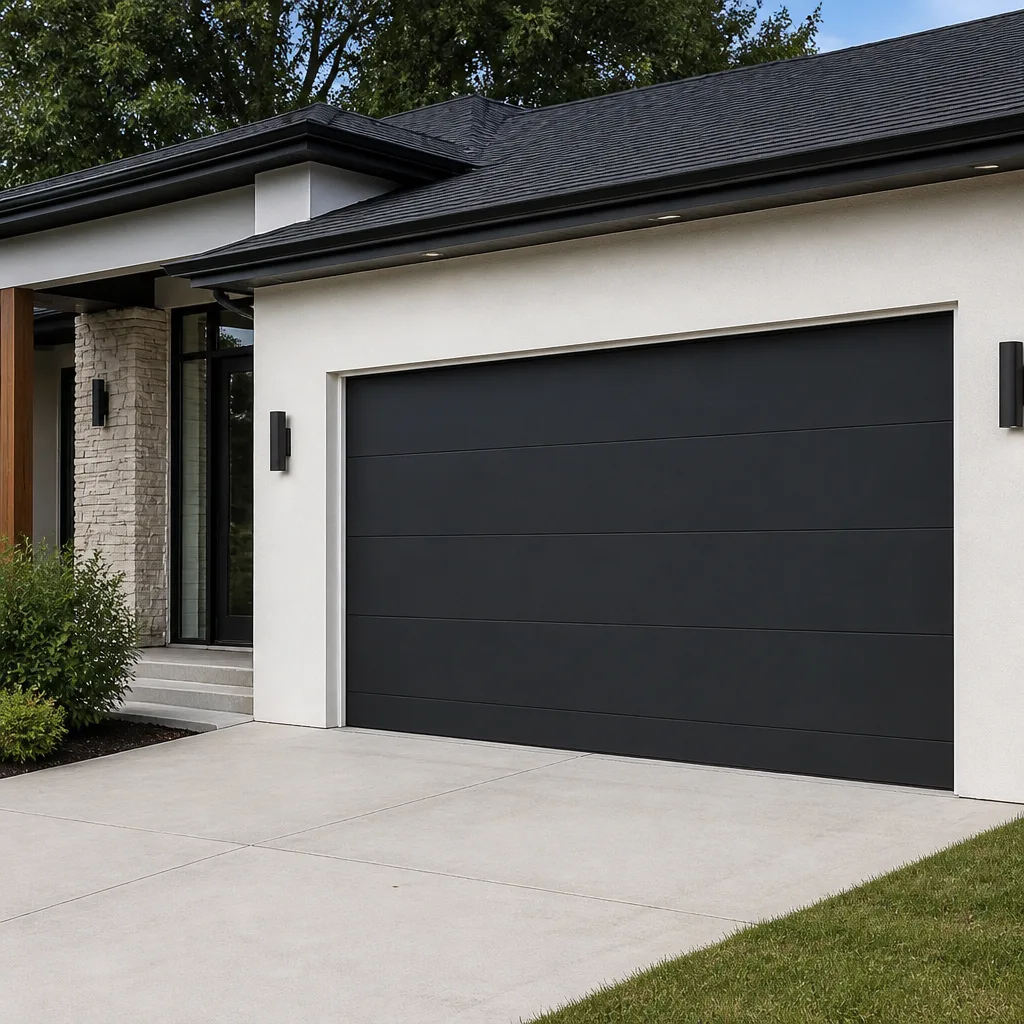 Modern flush
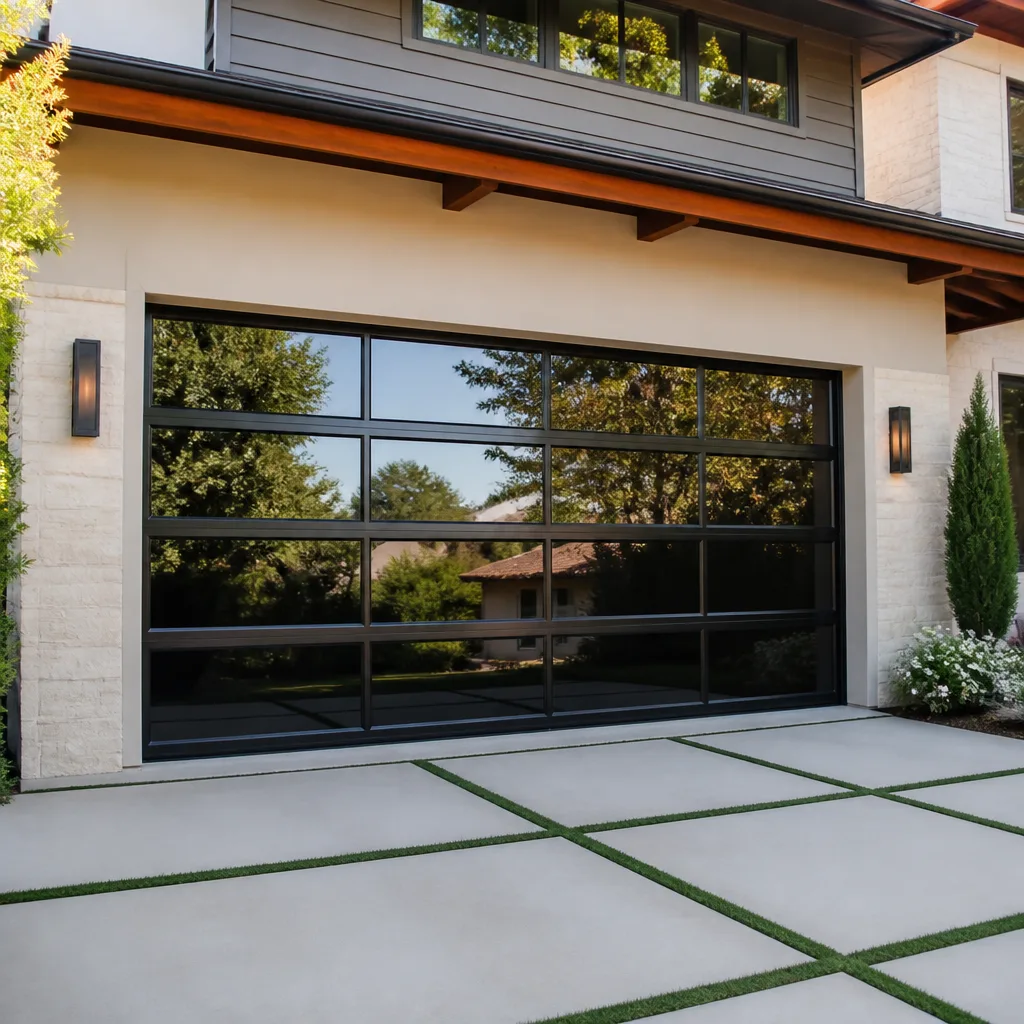 Full-view glass
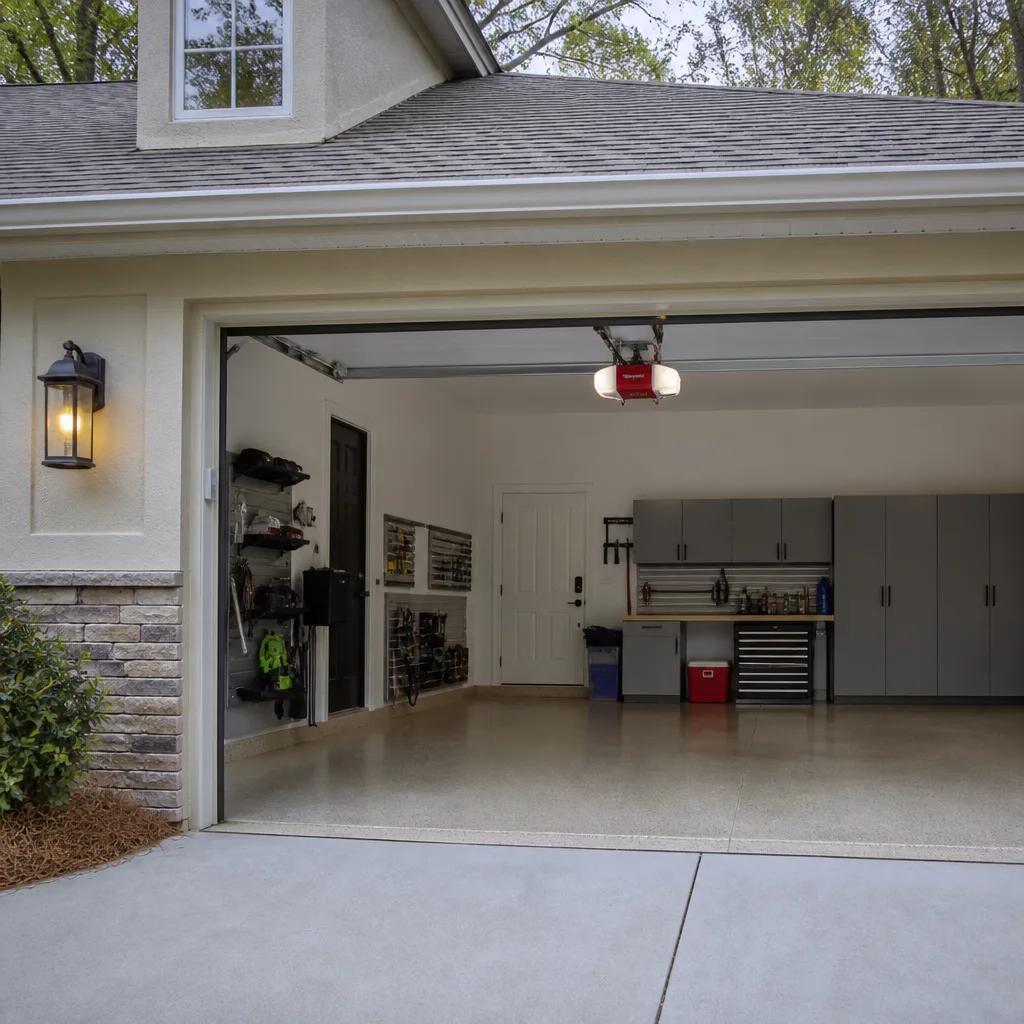 LiftMaster openers
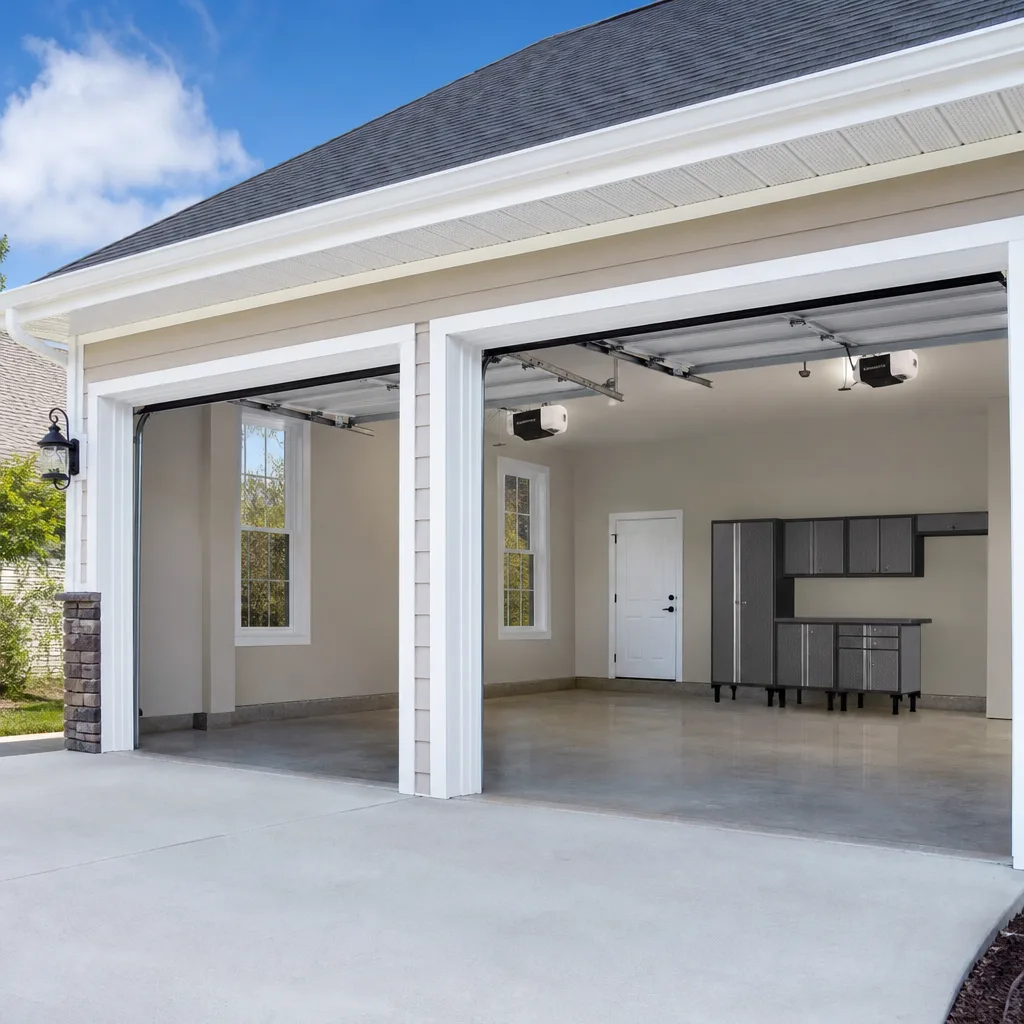 Chamberlain openers
Full 25-point door and opener safety check with every visit - springs, cables, rollers, tracks, and your LiftMaster or Chamberlain opener included
You get a price before we start. It does not change when the truck arrives.
Get your free estimateHow to Hire a Garage Door Contractor in Lakewood: A Step-by-Step Guide
Most homeowners in Lakewood assume every company that shows up in a Google search for garage door work is licensed and insured. That assumption is what turns a $200 spring replacement into a $4,000 liability claim the homeowner has to eat. Hiring the right contractor isn’t about finding the cheapest quote. It’s about knowing which five questions separate a licensed C-61/D28 specialist from someone with a truck, a toolbox, and no paper trail. This guide walks you through verifying credentials, reading quotes like a contractor, and structuring the job so you never pay for work that hasn’t been done. By the time you finish, you’ll know exactly what to ask before anyone touches your door.
Styles & brands we work with
- Raised-panel steel
- Carriage house
- Modern flush
- Full-view glass
- LiftMaster openers
- Chamberlain openers
Quick Answer
To hire a garage door contractor in Lakewood, verify their California C-61/D28 license on the CSLB database, require a written scope of work specifying brand and hardware grade, request current liability and workers’ comp certificates, and never pay more than 10% or $1,000 upfront. The contractor should service your existing brand rather than pushing a replacement you don’t need. A legitimate contractor answers these five questions without hesitation.
Table of Contents
- Step 1: Verify the C-61/D28 License on the CSLB Database
- Step 2: What Liability and Workers’ Comp Certificates Should Show
- Step 3: Why a Written Scope of Work Must Name Brand, Model, and Hardware Grade
- Step 4: How to Read a Garage Door Quote and Spot Red Flags
- Step 5: Structuring Payment So You’re Never Overexposed
- The Five Questions That Expose an Unlicensed Contractor
- Common Mistakes to Avoid
- When to Call a Professional
- Frequently Asked Questions
- The Bottom Line
Step 1: Verify the C-61/D28 License on the CSLB Database
California is one of the few states that requires a specific license classification for garage door contractors. The C-61/D28 designation covers “door and gate services,” and it’s issued by the Contractors State License Board. If a company or individual is doing garage door work in Lakewood for more than $500 in labor and materials combined, they must hold this license. No exceptions. The problem is that many fly-by-night operations count on homeowners never checking.
Here’s how to verify a license in under five minutes:
- Go to the CSLB website (cslb.ca.gov) and click “Check a License.”
- Enter the license number the contractor provided, or search by business name.
- Look for the classification. It must say C-61/D28, not a general “C-61” without the D28 sub-category. A C-61 alone covers limited specialty trades but may not include doors and gates.
- Check the status. It must read “Active.” Anything else – “Expired,” “Suspended,” “Revoked,” or “Restricted” – is a hard stop.
- Confirm the name on the license matches the name on the estimate or invoice. If the person at your door says they work “under” someone else’s license, that’s not allowed unless they’re a W-2 employee of that licensed contractor, and even then, the licensed contractor is who you’re hiring.
An expired or restricted license means the person standing in your driveway is not legally allowed to perform the work. If they install a spring that fails and throws a cable through your car window, you have no recourse through the CSLB. You may not even have a valid liability claim. In Lakewood, where Garage Door Service Lakewood operates, we see unlicensed competitors run ads, take deposits, and disappear. The license check is the single most effective filter you have.
One more thing: the CSLB database also shows workers’ comp status, bond information, and any prior disciplinary actions. If a contractor has a history of complaints, it’s right there. Read it before you sign anything.
Step 2: What Liability and Workers’ Comp Certificates Should Show
A license proves the contractor is allowed to work. Insurance proves you won’t pay for what goes wrong. These are two different documents, and you need both before a technician touches your garage door.
Liability insurance covers property damage and bodily injury. If a technician drops a steel rail onto your hood or a torsion spring snaps and cuts someone’s arm, the contractor’s liability policy pays. Without it, your homeowner’s policy is on the hook, and that half-million dollar claim is now your problem. The certificate of insurance, sometimes called a COI, should show:
- Your name in the certificate holder box. Not the contractor’s name. Yours. If they can’t add you as a certificate holder, that’s a red flag.
- A current policy period. Check the dates. An expired COI is worthless, and some contractors recycle old certificates.
- The policy limits. For residential garage door work, $500,000 to $1,000,000 in general liability is standard. You may see $2,000,000 if they work with HOAs or property management companies.
- Workers’ compensation insurance. If the contractor has employees, this is mandatory in California. If they show up with a crew and no workers’ comp, an injured worker can sue you directly, and they’ll win.
Here’s what most contractors won’t tell you: the COI they email you can be forged. It happens. A clean, professional-looking PDF with a big insurance company logo takes about ten minutes to fake in Adobe. So here’s the step most homeowners skip: call the insurance company. The phone number is on the certificate. Ask them to verify the policy number is active and that the contractor is a named insured. It takes three minutes and it closes the gap between a piece of paper and actual coverage.
We carry current liability and workers’ comp coverage, and we’ll add you as a certificate holder on request. No hesitation, no pushback. A contractor who gets defensive about insurance verification is telling you something useful about how they run their business.
Step 3: Why a Written Scope of Work Must Name Brand, Model, and Hardware Grade
The most common complaint we hear from Lakewood homeowners about garage door contractors isn’t about price. It’s about getting something different from what was promised. “New door installed” sounds specific. It isn’t. A written scope of work that names the actual products, models, and hardware grades is the difference between a legally enforceable contract and a vague handshake.
Here’s what a proper scope of work for a garage door job in Lakewood should include:
- Door brand and model number. Not just “Clopay” – “Clopay Gallery Collection, model 2233, 16×7, steel, white.” If they won’t name the model, they’re planning to install whatever they have on the truck. That might be a fine door. It might also be a discontinued panel with no warranty support.
- Spring specification. This is the one that costs people money. There are different grades of torsion springs – standard residential cycle springs rated for about 10,000 cycles, and high-cycle springs rated for 25,000 to 50,000. A quote that says “spring replacement” without specifying cycle rating is selling you the cheapest thing on the shelf. For a two-car door that opens four times a day, a standard spring lasts maybe seven years. A high-cycle spring lasts twenty. The difference in material cost is small. The difference in lifespan is enormous.
- Hardware grade. Hinges, rollers, brackets, and tracks come in different gauges and materials. If the quote says “hardware included” but doesn’t specify nylon rollers versus steel, or 14-gauge hinges versus 18-gauge, you’re getting the bottom shelf. That’s fine for a garage door you use once a week. For a daily-use door in a neighborhood like Lakewood’s Catalina Island tract where every house has two cars, that hardware will fail early.
- Labor and disposal terms. Who removes the old door? Who hauls it away? Is disposal included or does it show up as a separate line item? If it’s not in writing, it’s not included.
- Warranty terms in writing. What’s covered, for how long, and who handles the labor if something fails.
When we do a garage door installation in Lakewood, the scope of work names the exact product. We install doors from Amarr, Wayne Dalton, and Raynor – three manufacturers with different price points and build qualities. The quote says which one you’re getting, with the model number, the spring spec, and the hardware grade. No ambiguity. If a contractor pushes back on putting this in writing, hang up the phone.
Step 4: How to Read a Garage Door Quote and Spot Red Flags
Garage door quotes in Lakewood vary widely, and the variance isn’t random. Companies that are licensed, insured, and paying workers’ comp have overhead that unlicensed operators don’t. That overhead shows up in the price. It also shows up in the outcome when something goes wrong. Here’s how to read the quote you receive.
First, the line items. A legitimate quote breaks the job into parts: door panels, springs, track and hardware, opener unit, labor, disposal, tax. A quote that’s just one number with no breakdown gives you nothing to verify and nothing to enforce. What exactly are you paying for? They won’t tell you, because they don’t want you to know.
Second, the spring line. This is where unlicensed contractors in Lakewood cut corners, and it’s usually the biggest red flag on the page. If a quote for spring replacement comes in at $99 while everyone else is at $180 to $340 per spring, that’s not a deal. That’s a residential-cycle spring being sold as if it were commercial-grade. It will fail in a few years, and the contractor will be long gone. Ask directly: “What’s the cycle rating on this spring?” If they don’t know what that means, you have your answer.
Third, the brand. If the quote says “premium door” but won’t name the manufacturer, that’s a no. A real contractor names the product. We work on virtually every residential system out there – Lakewood homes have everything from original 1950s Wayne Dalton hardware to current-gen LiftMaster smart openers. The quote should reflect what’s actually being installed, with the name on it.
Fourth, the opener line. A quality belt-drive opener from LiftMaster or Chamberlain costs more than a cheap chain-drive from a brand nobody’s heard of. If the opener line is suspiciously low, ask what model. If they won’t say, it’s because the answer is embarrassing.
Finally, the guarantee. The estimate should state that the price is quoted and agreed before any work starts. Not “estimate subject to change.” Not “we’ll see how it goes.” The written estimate sets the finished price, and any change requires a written change order you sign. If a contractor can’t commit to a fixed number, that number isn’t honest.
Step 5: Structuring Payment So You’re Never Overexposed
California law caps the down payment for home improvement work at 10% of the total job or $1,000, whichever is less. If a garage door contractor in Lakewood asks for $2,500 upfront on a $6,000 door installation, that’s illegal. Full stop. The Contractors State License Board enforces this, and a contractor who breaks this rule before the job starts will break other rules during it.
Here’s how to structure payment on a garage door project:
- Never pay more than 10% or $1,000 upfront. For most residential door installations and repairs, the materials needed are either on the truck or available locally within a day. There’s no justification for a large deposit.
- Tie remaining payments to milestones. For a full door replacement: a portion upon delivery of the door to your property, the remainder upon completion and your walkthrough. You should never pay 100% before the door is installed and operating correctly.
- Refuse to pay in cash. A check or credit card creates a paper trail. Cash leaves no record, and cash-only contractors are usually unlicensed. In Lakewood, we’ve seen cash deals go sideways with no proof of payment and no legal recourse.
- Get a written receipt for every payment. The receipt should show the contractor’s name, license number, job address, date, amount, and what the payment covers.
- Hold back the final 10% until the door balances, the opener reverses correctly, and you’ve tested the remotes and safety sensors. Once you pay in full, your leverage is gone.
Reputable contractors don’t need large deposits to show up. They have accounts with suppliers. They carry inventory. They trust their own work. A contractor who needs $3,000 before they’ll schedule your garage door installation is either broke or preparing to disappear. Neither is your problem to solve.
The Five Questions That Expose an Unlicensed Contractor
You don’t need to be a garage door technician to vet one. You just need to ask the right questions and watch how they answer. A licensed professional answers these directly and without hesitation. An unlicensed handyman deflects, gets vague, or changes the subject.
1. “What’s your CSLB license number, and may I see the card?”
Every licensed contractor in California is required to carry a pocket license card and their license number must appear on all advertising, vehicles, and contracts. If the number isn’t on the truck, the business card, or the estimate, that’s not an oversight. That’s intentional.
2. “Are you covered by workers’ comp insurance?”
If the answer is “I work alone, I don’t need it,” that’s correct for a sole proprietor with no employees. Write that down. If they show up with a crew, and there’s no workers’ comp, every one of those workers has a claim against your homeowner’s insurance if they get hurt. Ask to see the certificate.
3. “Will the scope of work specify the brand and model of the door and opener?”
If they hesitate, they’re planning to substitute. Brands matter. A Raynor door and an Amarr door are different products with different build qualities, different warranties, and different prices. You’re entitled to know what you’re paying for before you pay for it.
4. “What cycle rating do you use on replacement springs?”
This is the single most revealing question you can ask a garage door contractor. A technician who knows their trade will tell you the standard is 10,000 cycles and offer a high-cycle option at a slightly higher price. Someone who doesn’t know what you’re talking about is not a garage door specialist. They’re a general laborer who knows how to tension a spring, and that’s exactly the person you don’t want doing it.
5. “What happens if I’m not happy with the work after you leave?”
A professional has a clear answer: they come back, they fix it, and the warranty terms are in the written scope of work. An unlicensed operator says something like “that won’t happen” or “don’t worry about it.” Vague reassurances aren’t a warranty. If it’s not in writing, it doesn’t exist.
Common Mistakes to Avoid
- Hiring based on price alone. The cheapest quote in Lakewood is usually the one with no license, no insurance, and no warranty. The most expensive may be a brand dealer marking up a door 40%. The right price is in the middle, from a contractor who gives you a fixed written number before work starts.
- Signing a work order that’s vague. “Install door and opener” is not a scope of work. If a dispute arises, you have no legal basis for what you expected. Make them write it down with product specifics.
- Skipping the CSLB check. It takes five minutes and it’s free. The database shows license status, insurance info, and disciplinary history. Not checking it is malpractive against yourself.
- Paying in full before testing the door. Operate the door. Test the remotes. Stand under it and make sure the auto-reverse works. Watch the balance. Then pay.
- Trusting an online review without checking the license. Anyone can buy reviews. Anyone can create a polished website. The license number is the one piece of information that can’t be faked, because you can verify it against a state database in real time.
- Accepting a verbal warranty. “We guarantee our work” means nothing. Which parts, for how long, and who covers the labor? If it’s not documented, it’s a suggestion, not a warranty.
When to Call a Professional
Garage door springs carry enough tension to seriously injure or kill. If a torsion spring snaps, the released energy is like a loaded gun going off. Replacing one is not a YouTube project. The same applies to cables, which are under tension whenever the door is closed. If a cable is frayed or off the drum, do not operate the door and do not try to fix it yourself.
Opener installation also has hazards. Wiring mistakes can smoke the motor or create a fire risk. Track installation errors cause doors that bind, jump, or fail at the worst possible moment. A door that comes off its track can fall, and a falling 16-foot steel door will crush whatever is under it.
If your door won’t open, makes a bang when operating, or has visible cable or spring damage, stop using it and call a licensed contractor. Garage Door Service Lakewood offers free estimates in Lakewood – call (866) 596-9807. We answer 24/7. Fast dispatch from 7am to 7pm, Sunday through Friday.
Frequently Asked Questions
Spring repair typically runs $180 to $340 for one spring, with the pair often replaced together at roughly double that figure. Opener repair is usually $150 to $350 for common faults like gear kits, logic boards, or sensor issues. A full new door installation in Lakewood, depending on brand and size, ranges from about $1,200 to $4,500 installed. Every price is confirmed by a written estimate before work begins. Call (866) 596-9807 for an exact quote – estimates are free.
If the contractor is brand-agnostic, yes. Most homes in Lakewood have doors from one of the major manufacturers – Amarr, Wayne Dalton, Clopay, or Craftsman, plus older Raynor units. A multi-brand contractor services what you already own rather than pushing you toward a replacement from a single brand they’re obligated to sell. We work on virtually any residential system and service eight of the most widely installed brands including Amarr, Wayne Dalton, Craftsman, and Raynor.
Go to the CSLB website, enter the license number or business name, and confirm the classification reads C-61/D28 with an Active status. The name on the license must match the business you’re hiring. If the status shows Expired, Suspended, or Restricted, or if the classification doesn’t specifically cover doors and gates, do not hire them.
Under California law, a contractor can’t require more than 10% of the total job or $1,000, whichever is less. Any request above that threshold is illegal, and you should refuse. Most garage door repair work in Lakewood is quoted and completed the same visit, so a deposit isn’t needed at all. The written estimate sets the price before work starts.
Springs are rated by cycle count. A standard spring lasts about 10,000 cycles, which is roughly 7 to 10 years for a door that cycles four times a day. If your spring failed in two or three years, it was either undersized for the door, poorly installed, or a low-grade residential-cycle spring sold as a premium product. A qualified contractor should document the cycle rating on your scope of work.
The honest answer depends on the door’s age, condition, and hardware. A door with a broken spring, worn rollers, or a failing opener is usually a repair candidate. A door with a cracked bottom panel, rusted tracks, or structural sag is often cheaper to replace than to patch repeatedly. A brand-agnostic contractor gives you the real numbers on both options and lets the math decide. We’d rather tell you the truth and earn your next call than sell you a door you didn’t need.
The Bottom Line
Hiring a garage door contractor in Lakewood comes down to verification, written specifics, and payment discipline. Check the C-61/D28 license on the CSLB database. Require current insurance certificates and call to verify them. Demand a scope of work that names brands, models, spring ratings, and hardware grades. Read the quote for red flags like unspecified springs and unnamed products. Never pay more than 10% or $1,000 upfront, and hold the final payment until the door operates correctly. The contractors who clear these hurdles are the ones worth hiring. The rest were never contractors to begin with.
Written by the team at Garage Door Service Lakewood, serving Lakewood since 2013.
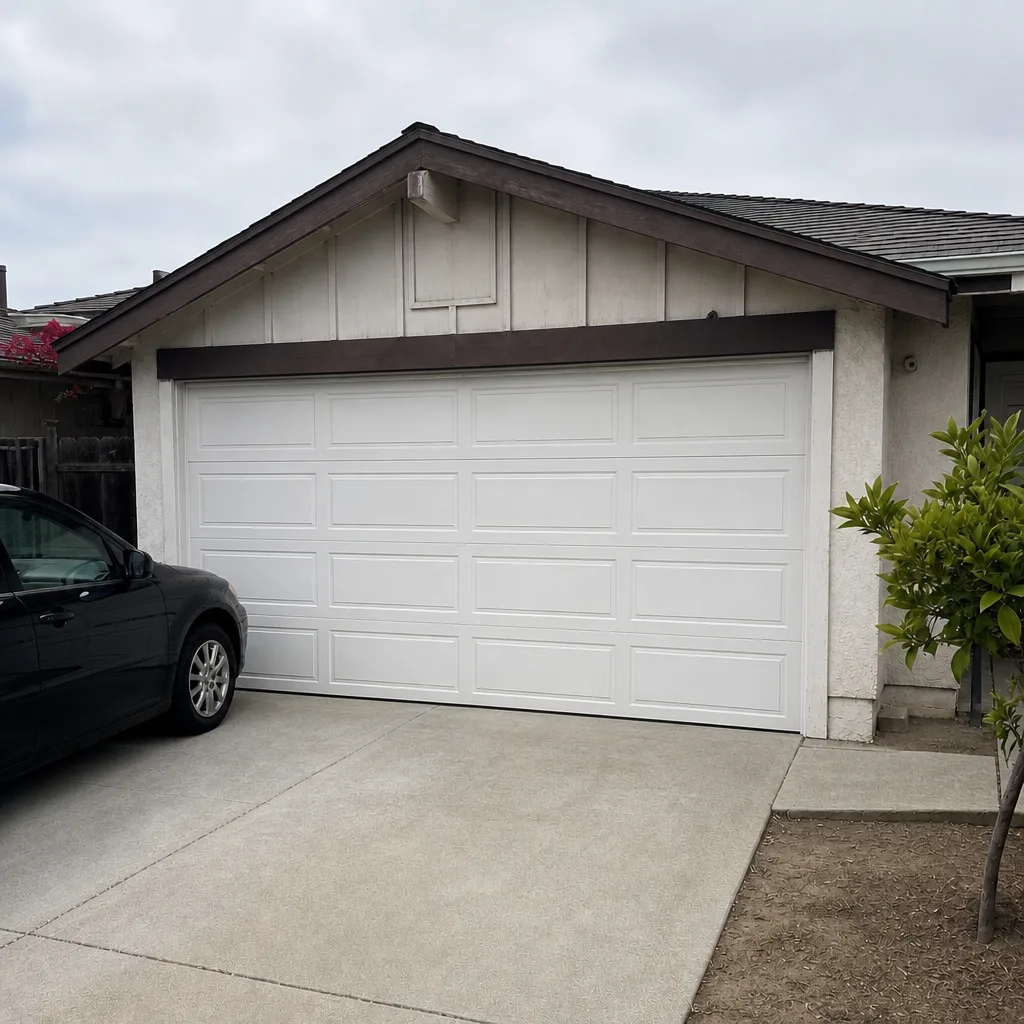
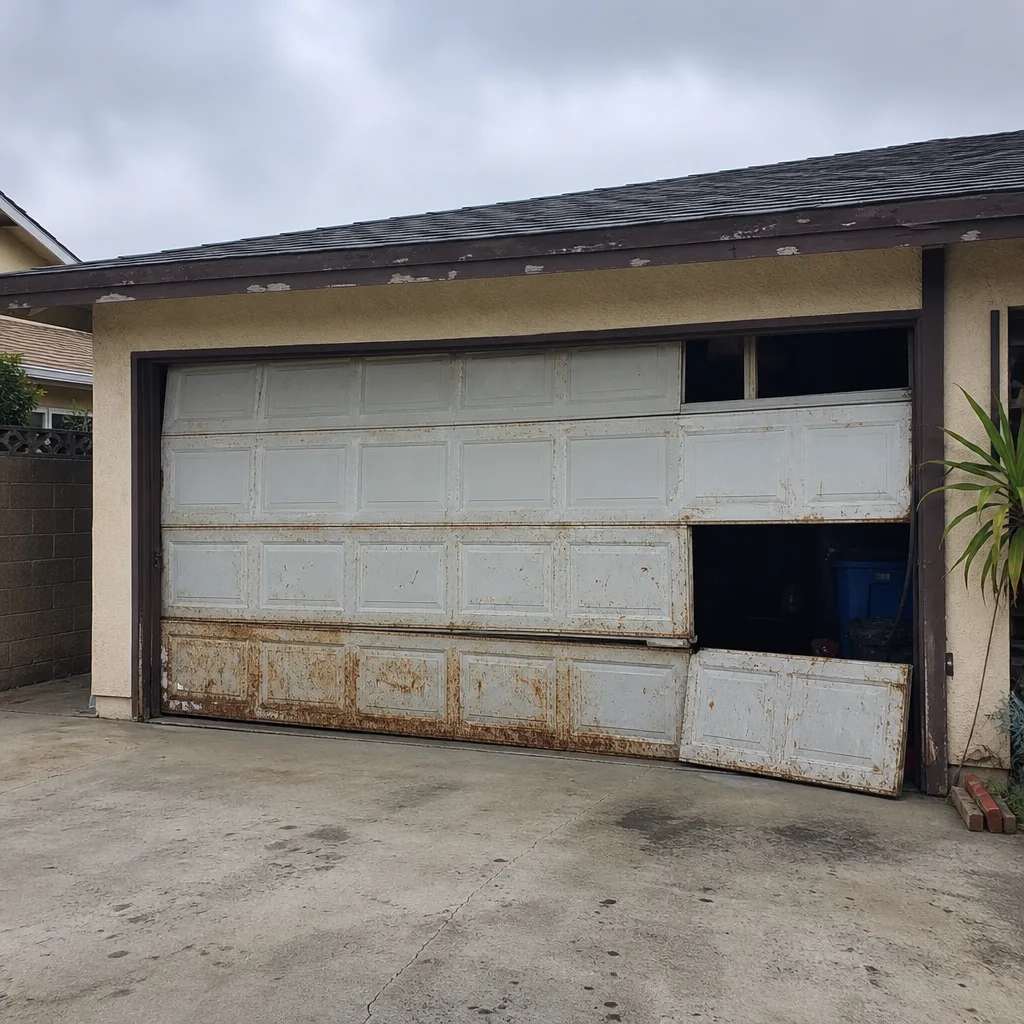
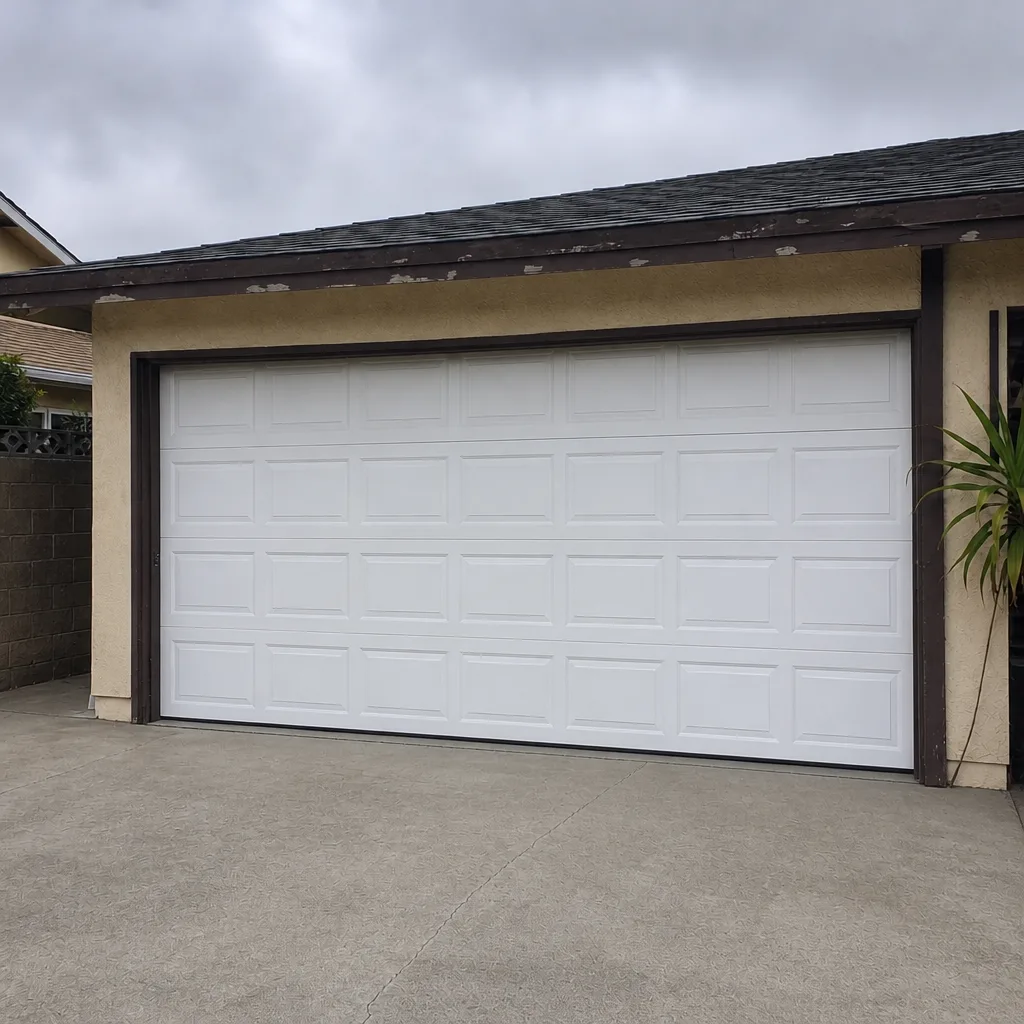
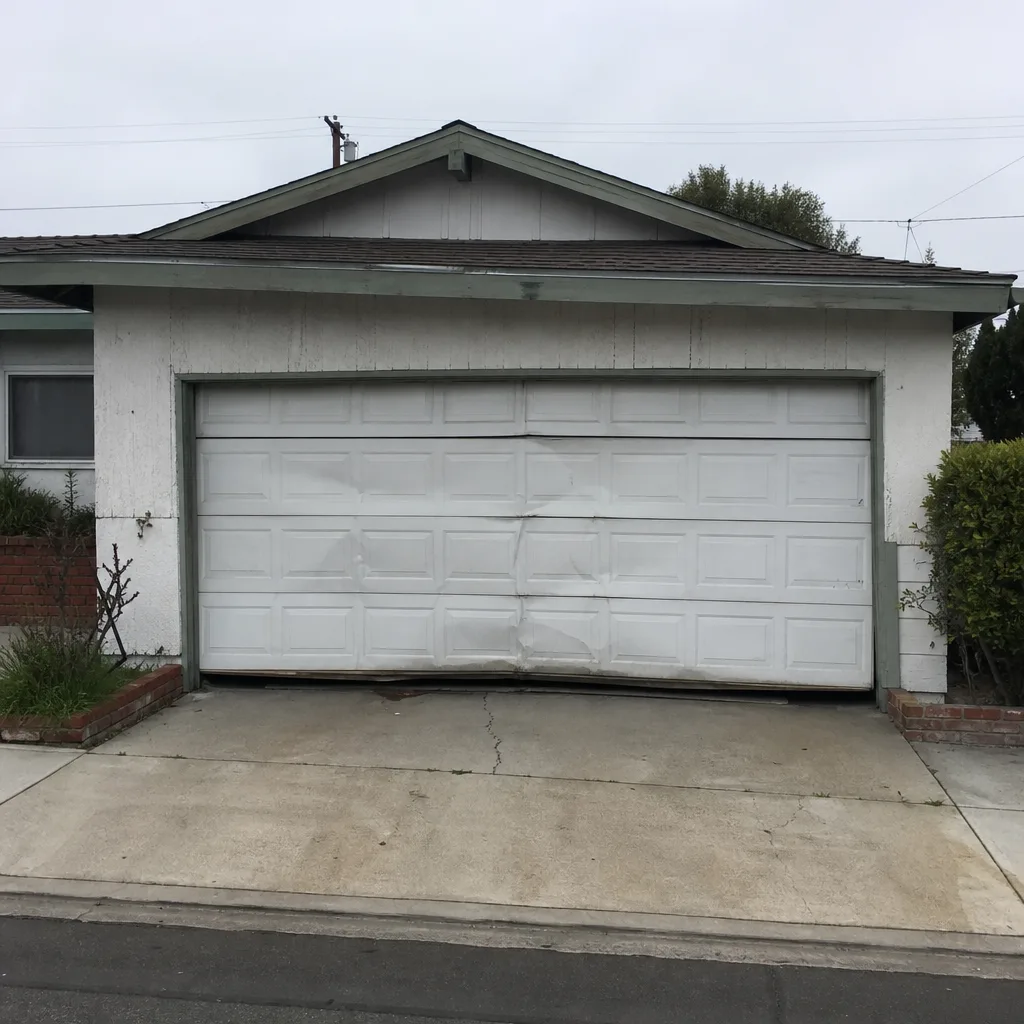
See the difference
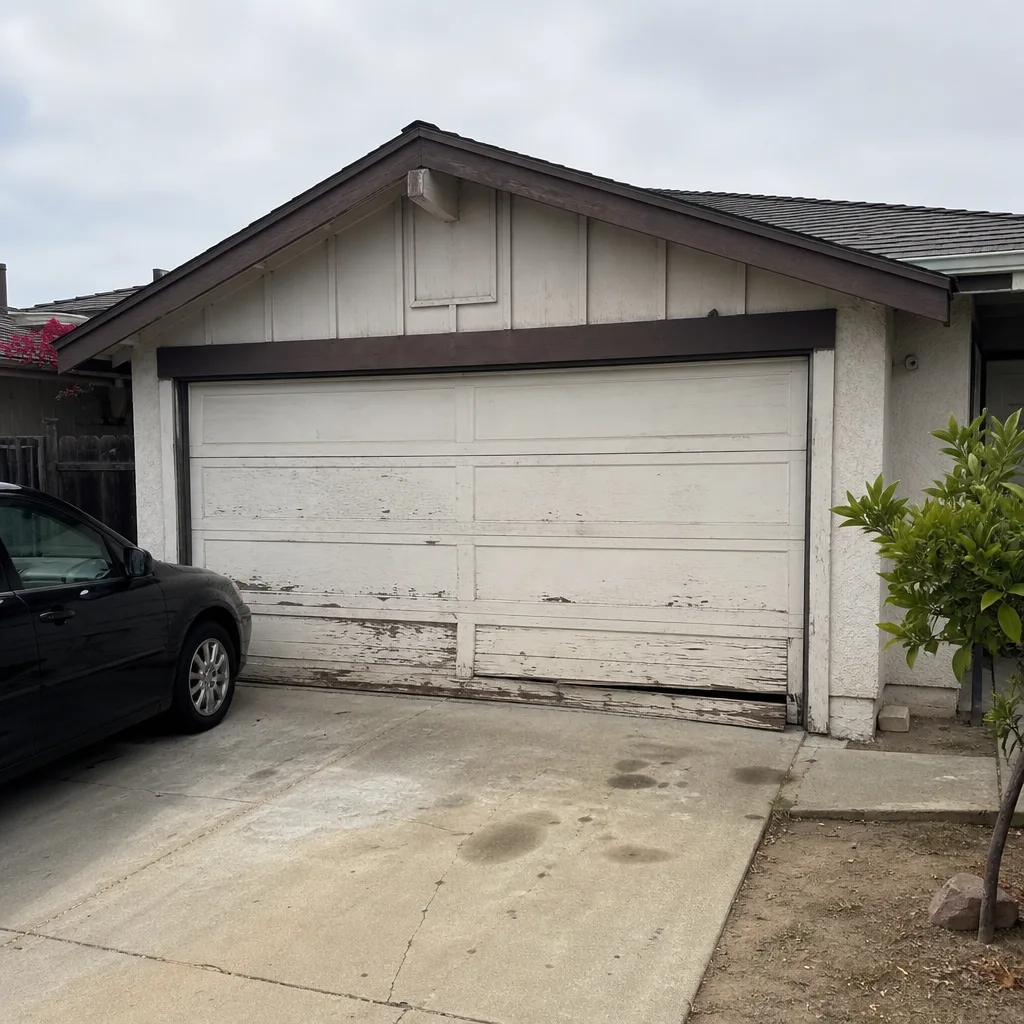 Before
 After
 Before
 After
 Before
 After