
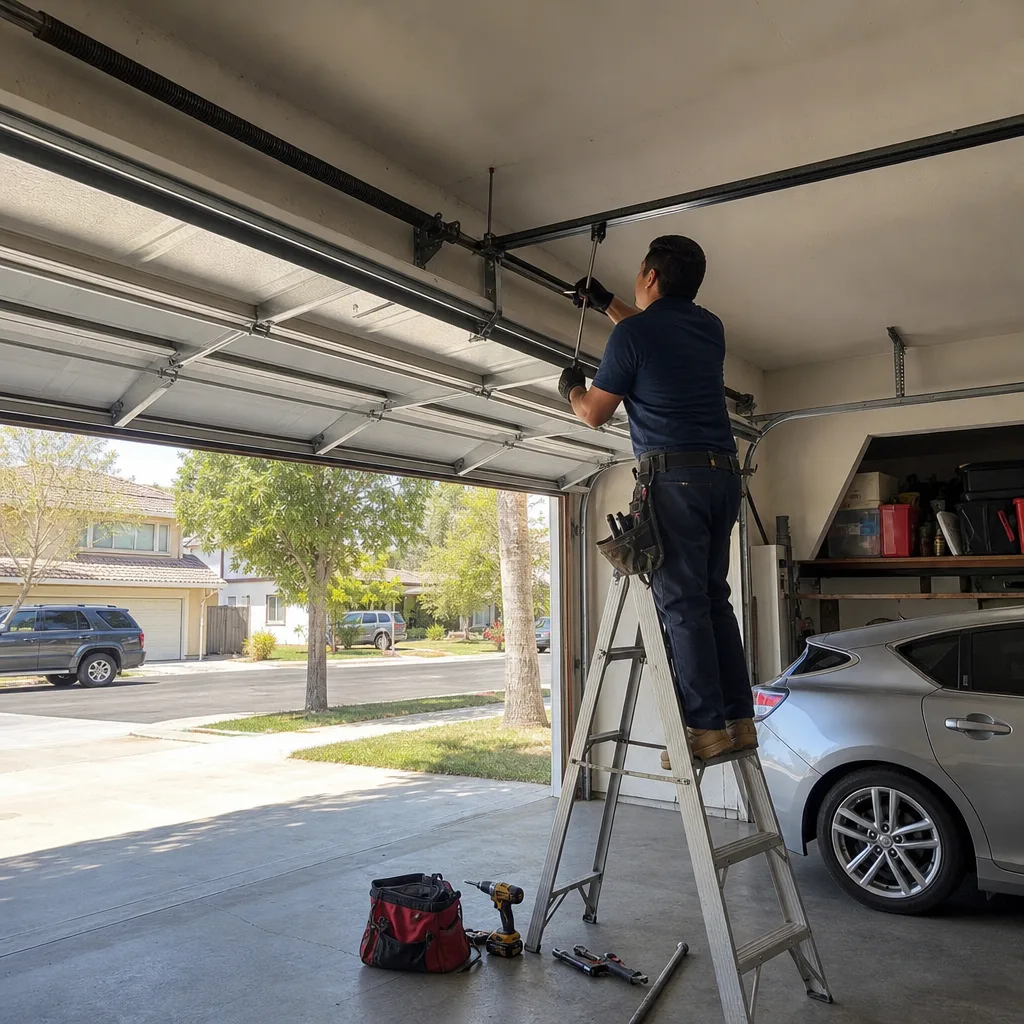
Last updated November 4, 2026
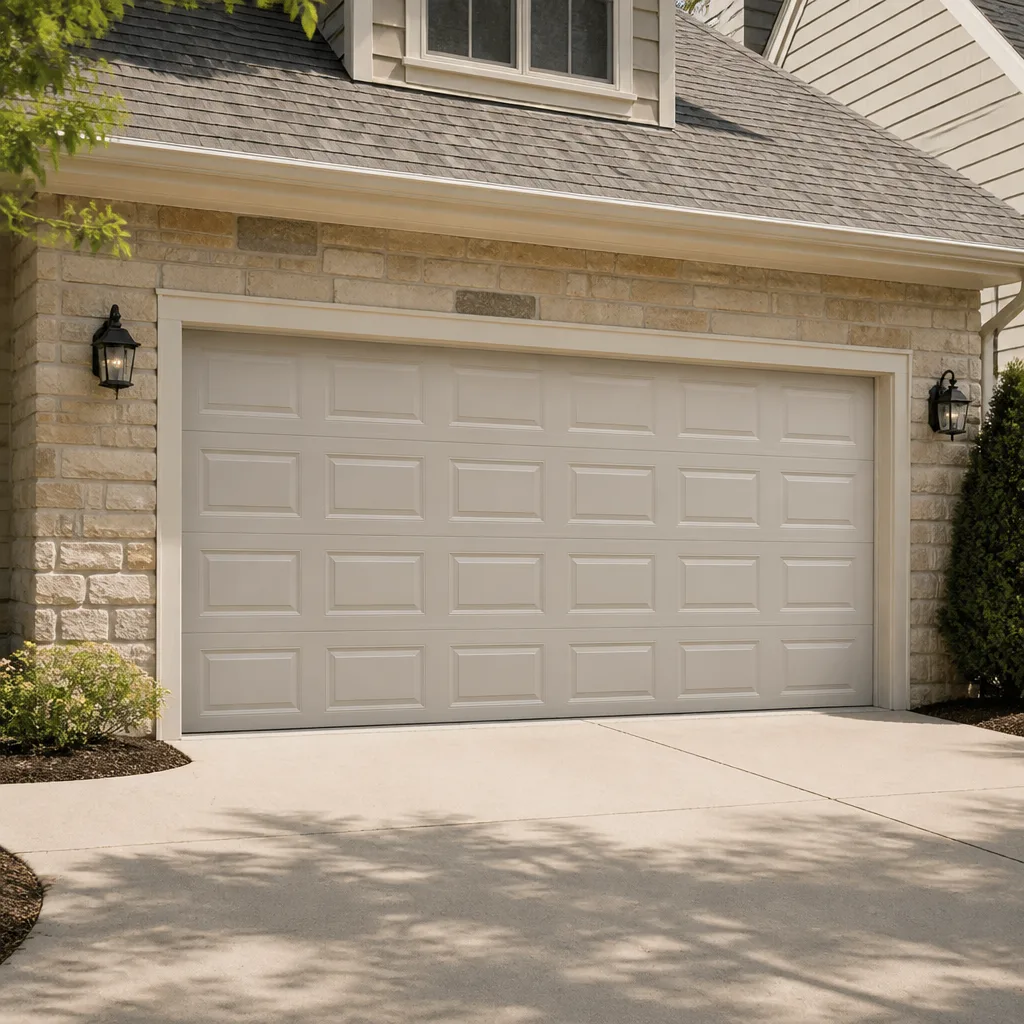 Raised-panel steel
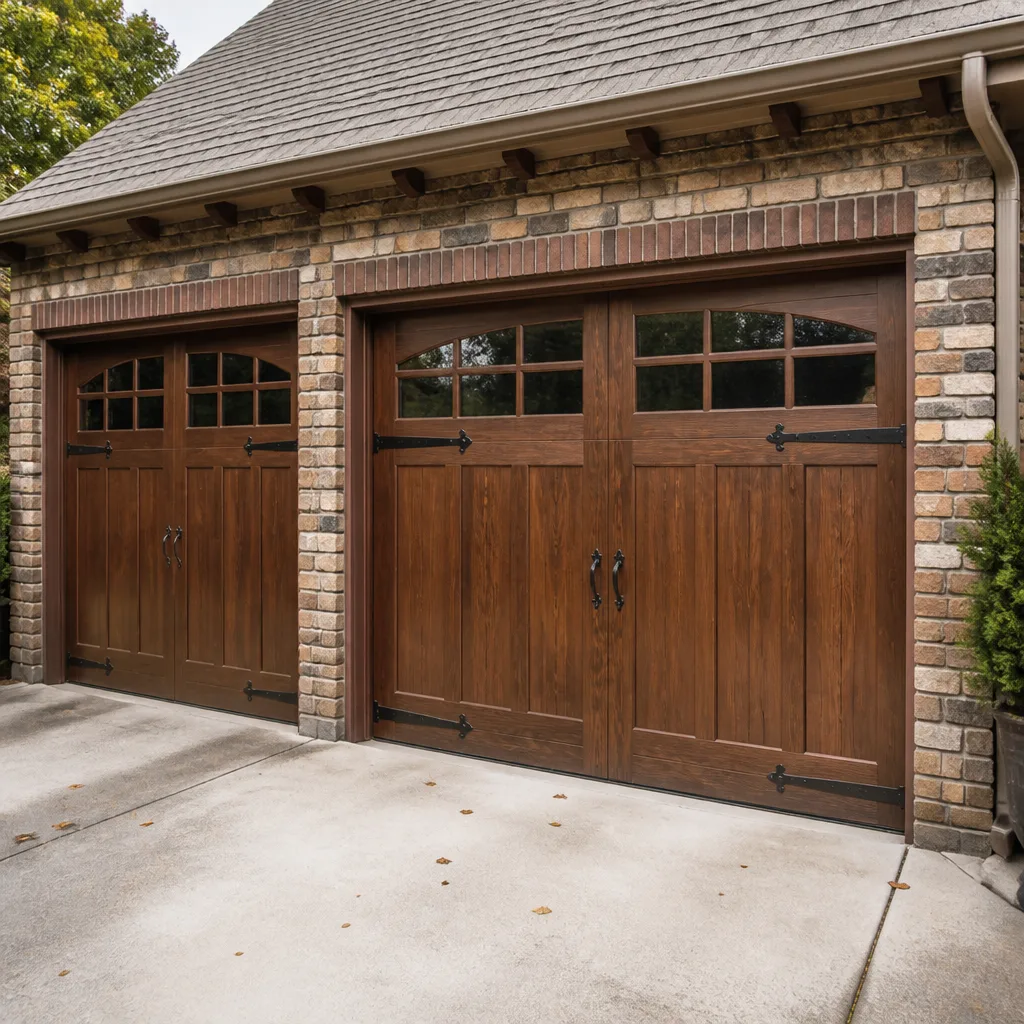 Carriage house
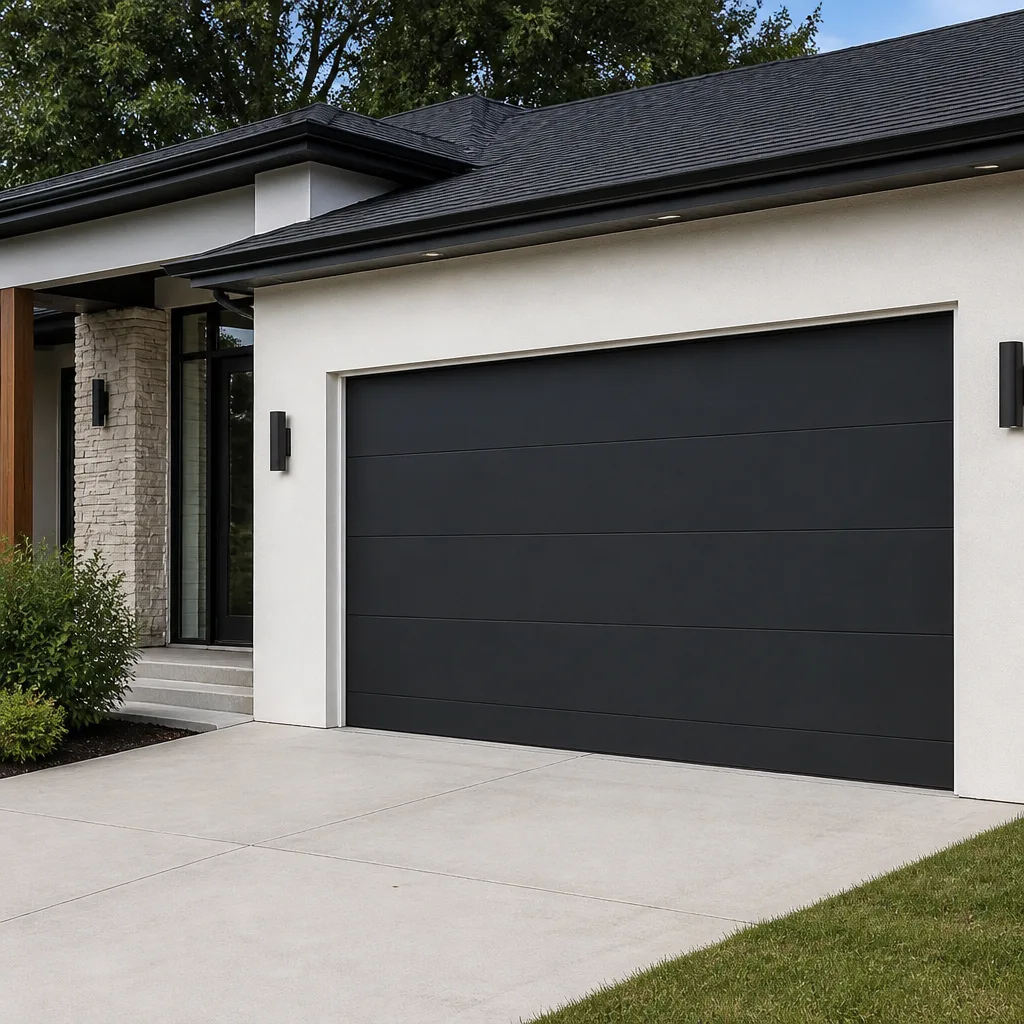 Modern flush
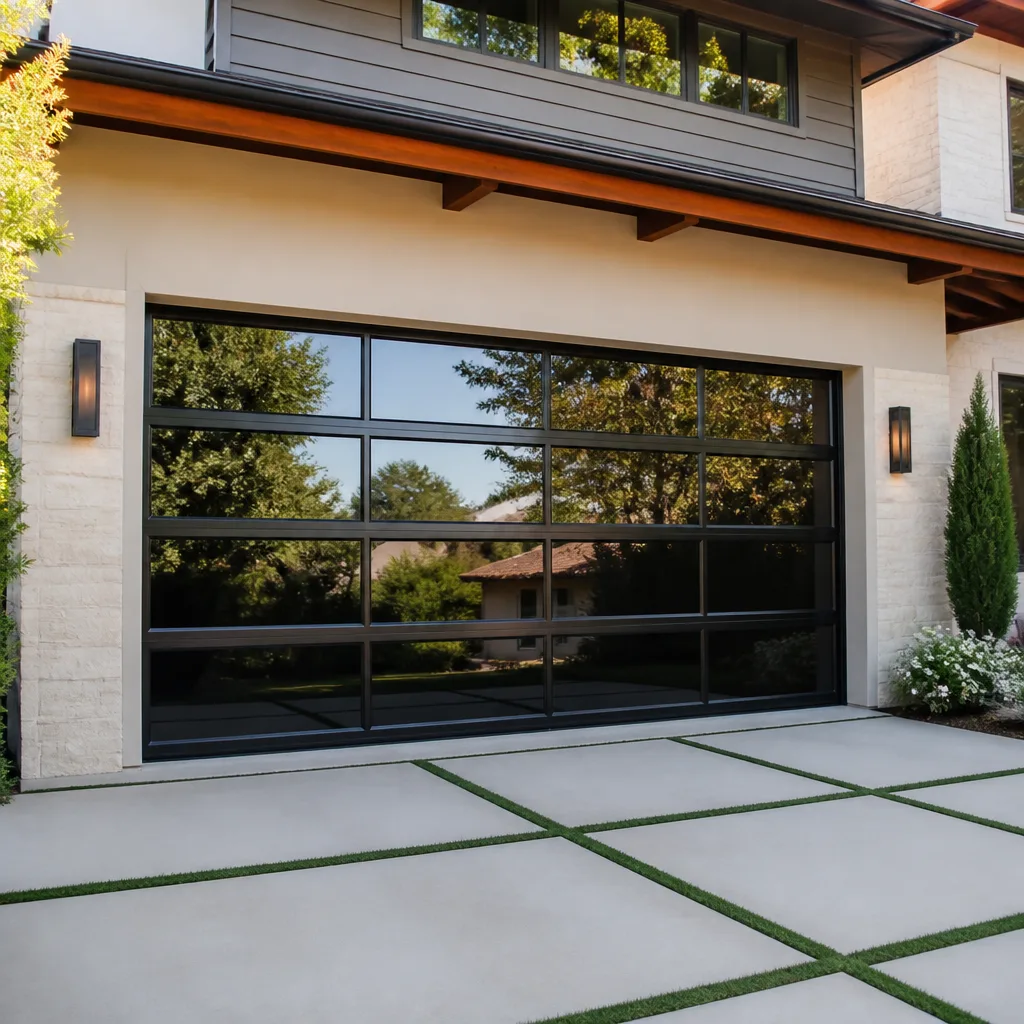 Full-view glass
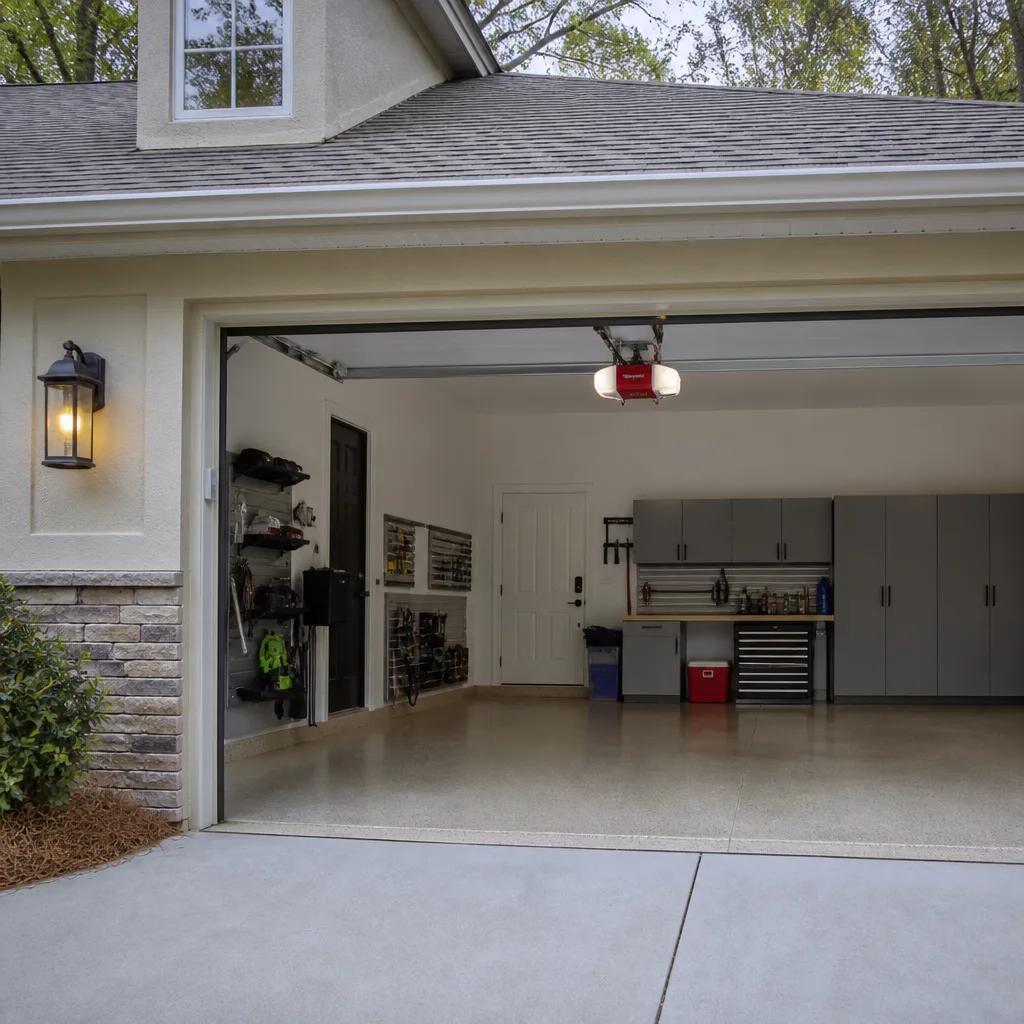 LiftMaster openers
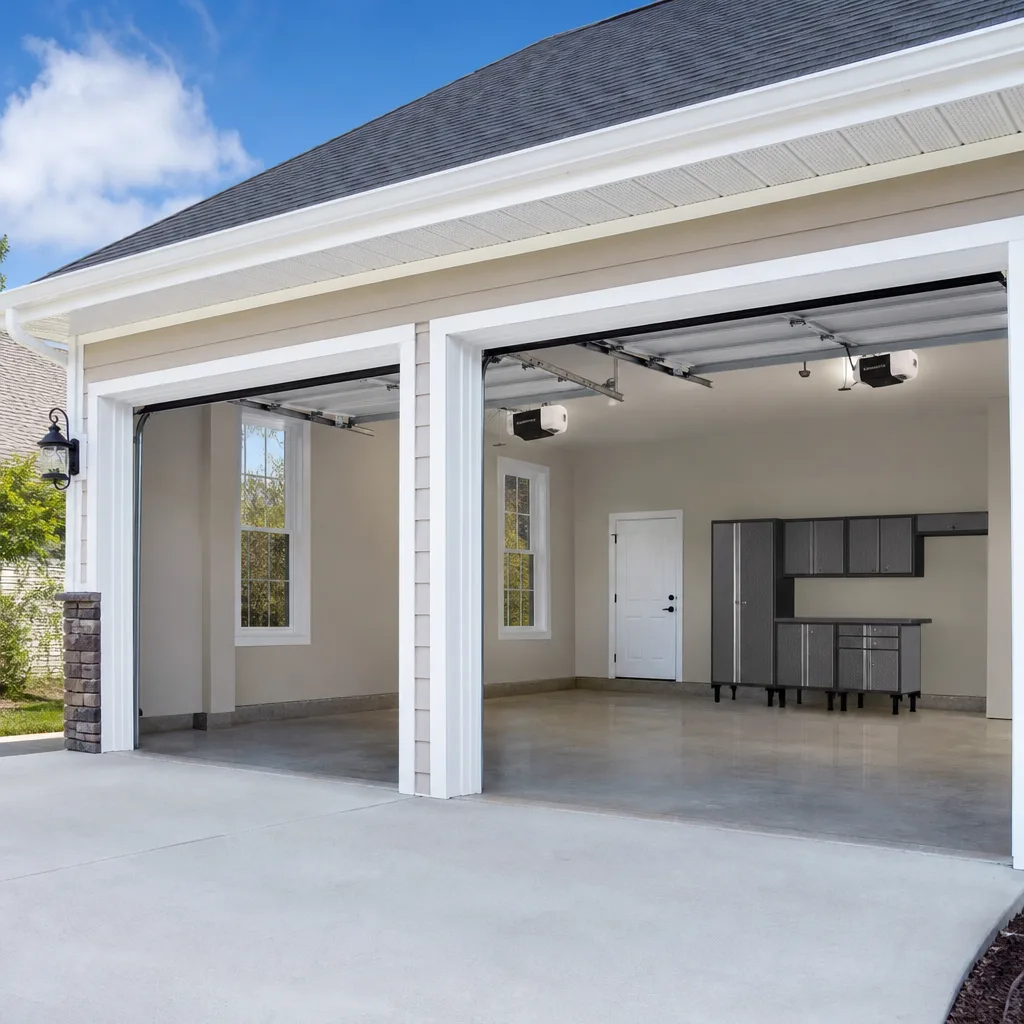 Chamberlain openers
Full 25-point door and opener safety check with every visit - springs, cables, rollers, tracks, and your LiftMaster or Chamberlain opener included
You get a price before we start. It does not change when the truck arrives.
Get your free estimateGarage Door Repair Troubleshooting in Lakewood: Common Problems and How to Fix Them
The garage door that “just stopped working” almost never fails without warning. There were at least two or three mechanical signals beforehand: a hesitation on the way up, a new grinding sound, a subtle tilt to one side. Most homeowners in Lakewood don’t recognize those signals as warnings until the morning the door refuses to open at all. This guide maps the symptoms you’re actually seeing and hearing to the root causes underneath them, so you can stop guessing and start diagnosing with a technician’s eye. We’ll walk through the four mechanical categories that cover nearly every residential failure: spring tension, track alignment, opener signal, and hardware wear.
Quick Answer
Most garage door problems in Lakewood fall into one of four categories: spring tension loss, track misalignment, opener signal failure, or worn hardware. You can rule out the opener in about 60 seconds with a manual disconnect test, and many fixes (sensor realignment, remote reprogramming, lubrication) are DIY-safe. But torsion spring and cable work carries real injury risk and belongs with a trained technician.
Styles & brands we work with
- Raised-panel steel
- Carriage house
- Modern flush
- Full-view glass
- LiftMaster openers
- Chamberlain openers
Table of Contents
- Symptom-to-Cause Mapping: What Your Door Is Telling You
- Spring Tension Problems: The Most Common Culprit
- Track Alignment and Roller Issues
- Opener Signal Failures and Brand-Specific Error Codes
- Hardware Wear: Rollers, Hinges, Cables, and Weatherstripping
- How Lakewood’s Climate Affects Your Garage Door
- DIY-Safe Repairs vs. Technician-Only Work
- The 60-Second Test Sequence to Rule Out the Opener
Symptom-to-Cause Mapping: What Your Door Is Telling You
Before you touch anything, watch and listen. A garage door communicates its condition clearly if you know what to look for. The table below maps the most common symptoms Lakewood homeowners report to the mechanical issue that usually causes them. This is the diagnostic shortcut we use on every service call.
| Symptom | Most Likely Cause | DIY or Technician? |
|---|---|---|
| Door moves slowly or labors on the way up | Loss of spring tension; opener motor compensating for dead weight | Technician (spring work) |
| Grinding or squealing noise during operation | Worn nylon rollers, dry bearings, or misaligned track | DIY lubrication first; technician if noise persists |
| Door hangs to one side or shows a gap at the bottom corner | Broken torsion spring on a two-spring system | Technician (spring replacement) |
| Opener clicks or hums but door doesn’t move | Stripped drive gear, logic board failure, or broken spring | Technician (opener or spring diagnosis) |
| Door reverses immediately after touching the floor | Safety sensor misalignment or obstruction | DIY (sensor realignment) |
| Remote works intermittently or not at all | Dead battery, signal interference, or logic board fault | DIY (battery and reprogramming); technician if board is suspect |
| Door jerks or shudders partway up | Worn rollers, bent track section, or fraying cable | Technician (track or cable inspection) |
Notice a pattern. Noise and movement problems usually trace back to springs or rollers. Signal problems trace back to the opener’s electronics or the safety sensors. Recognizing which category you’re in determines your next step, and whether that step involves a screwdriver or a phone call.
Spring Tension Problems: The Most Common Culprit
Springs do the heavy lifting. Your opener is not designed to lift a 150-to-250-pound door by itself; it’s designed to move a door that the springs have already balanced. When a spring loses tension or breaks, the opener strains against dead weight, and that strain shows up as slow movement, grinding, or a door that stops partway up.
Most residential doors in Lakewood use one of two spring types. Torsion springs mount horizontally above the closed door and twist to store tension. Extension springs run vertically along the horizontal tracks and stretch to store tension. Torsion springs are more common on newer homes and on doors with openers, because they provide smoother, more controlled balance. A torsion spring has a finite service life, typically measured in cycles rather than years. A cycle is one full open-and-close. The spring that came with your house was likely rated for 10,000 cycles, which translates to roughly 7 to 9 years of normal use in a two-car household.
Here’s the critical safety point. A torsion spring is under hundreds of pounds of torque even when the door is closed. The winding and unwinding of that spring is the single most dangerous procedure in residential garage door work. The winding bars can slip, the spring can snap, and the released energy can cause serious injury. This is not a repair you attempt with a YouTube video and a pair of vice grips. If you suspect a spring problem, stop using the door and call a technician.
How to Tell If a Spring Is Broken
- Look at the torsion spring above the closed door. A broken spring shows a visible gap in the coil, usually near the center bracket or one end.
- Try the manual lift test. Pull the red emergency release cord and lift the door by hand. A properly balanced door rises smoothly and stays put at about 4 feet off the ground. A door with a broken spring feels heavy, drops quickly, or won’t lift at all.
- Listen for a loud bang. A torsion spring snapping sounds like a firecracker or a dropped weight. If you heard a sharp noise from the garage recently and the door stopped working after, that’s the spring.
On two-spring systems, one spring can break while the other remains intact. The door will still open, but it will tilt slightly and the opener will work harder. That “one-side gap” symptom is a classic sign of a broken torsion spring on a dual-spring door. We’ve seen this enough times in Lakewood garages to recognize it immediately: the door closes, then one corner lifts a half-inch off the floor. The remaining spring is now doing double duty, and it won’t last long. Replace both springs at once. A matched pair always wears together, and replacing only the broken one leaves you with mismatched tension and a second failure in the near future.
Track Alignment and Roller Issues
The track system guides the door through its entire travel arc. It’s a simple mechanism: vertical tracks on each side, curved sections at the top, horizontal tracks running back into the garage. Rollers attached to the door’s hinges ride inside those tracks. When everything is aligned, the door moves smoothly and quietly. When something is off even a quarter-inch, the door binds, scrapes, or sticks.
Common Track Problems
- Bent track section. A track can get bent by impact (a car bumper, a ladder, a stray basketball). The bend creates a pinch point where the roller catches. You’ll see a mark on the track where the roller has been scraping.
- Loose mounting brackets. The brackets that hold the track to the wall or ceiling can work loose over time, especially with the temperature swings Lakewood sees between hot summer afternoons and cooler nights. A loose track shifts under load, and the door starts to bind.
- Misaligned vertical-to-curved transition. The joint where the vertical track meets the curved section is a common wear point. If that joint opens up, the roller can skip or derail.
- Debris in the track. Less common indoors, but garages collect dust, leaves, and the occasional spider web. A chunk of debris in the track causes a bump or a stall.
Rollers wear out predictably. Nylon rollers with ball bearings last longer and run quieter than steel rollers, but the bearings eventually dry out or the nylon tire cracks. Worn rollers cause that grinding or rumbling sound many Lakewood homeowners describe as “the door sounds angry.” Metal rollers without bearings are worse: they scrape against the track and wear both surfaces.
Here’s a simple diagnostic. Open the door halfway and observe. If the noise is constant and sounds like grinding, the rollers are likely worn. If the noise happens only at a specific point in the travel, you’re looking at a track issue at that location. Both are fixable. Roller replacement is a technician job on torsion-spring doors because the rollers attach to hinges under tension. Track realignment is also technician work; a track under spring tension can shift suddenly if you loosen the wrong bracket.
Opener Signal Failures and Brand-Specific Error Codes
The opener is the brain of the system. It receives signals from remotes, wall panels, and smartphone apps, then tells the motor what to do. When the opener fails, it’s usually one of three things: a signal problem, a power problem, or a mechanical failure inside the unit itself.
Reading Error Codes Across Brands
Modern openers from LiftMaster, Chamberlain, and Genie communicate through diagnostic LEDs and audible beeps. The trick is knowing what the codes mean on your specific brand, because the same flash pattern means different things on different units.
Chamberlain and LiftMaster share a parent company, and both use an LED on the opener head that blinks in patterns. A blinking light on a Chamberlain typically means one of two things: the safety sensors are misaligned, or the logic board has detected a fault. Four blinks on a Chamberlain often indicates a sensor issue: either the sensor eyes are blocked or misaligned, or there’s a wiring fault in the sensor circuit. On a LiftMaster with the same four-blink pattern, the diagnosis can point to a different subsystem, such as the RPM sensor or the motor control, depending on the model year. The lesson: don’t assume the code means the same thing across brands, even closely related ones.
Genie openers use a different diagnostic language. Many Genie models have a round LED that flashes red or green, and the pattern (short-short-long, for example) corresponds to a specific fault in the Genie service manual. A Genie that clicks but doesn’t move often points to the capacitor, which is a common failure on older Genie chain-drive units.
Raynor openers are less common in Lakewood but still show up on higher-end installs from the 1990s and 2000s. Raynor’s proprietary circuit boards are harder to diagnose without the factory guide, which is one reason a brand-fluent technician saves time on these calls.
Opener Clicks But Door Doesn’t Move
This is one of the most common opener calls we get. The homeowner presses the remote, hears the opener motor click or hum, but the door stays put. Two usual causes:
- Stripped drive gear. The drive gear transfers motor rotation to the chain or belt. It’s made of nylon or plastic, and after years of use the teeth wear down until the gear can’t grip. The motor spins, but the chain doesn’t move. You’ll hear a hum or a whir from the opener head with no door movement. This is a replaceable part on most LiftMaster and Chamberlain models.
- Logic board failure. The board is the opener’s control center. A failed board can cause the motor to click once and stop, or fail to respond to remotes and wall panels. Board failure is more common on openers older than 10 years, and on units that have taken power surges. Lakewood’s occasional brownouts during peak summer demand can stress older boards.
If the manual release lets you lift the door smoothly, the problem is in the opener, not the door. If the door is heavy to lift manually, the spring is the issue and the opener is just the messenger.
Hardware Wear: Rollers, Hinges, Cables, and Weatherstripping
Hardware is everything that isn’t the spring or the opener: rollers, hinges, cables, brackets, and weatherstripping. These parts wear gradually, and their failure is rarely dramatic, but it accounts for a large share of service calls in Lakewood.
Rollers
As covered above, rollers are the workhorses of the track system. A roller with a seized bearing doesn’t roll anymore: it slides. Sliding creates friction, friction creates heat and noise, and the track wears prematurely. Nylon rollers with sealed ball bearings are the standard replacement on most residential doors. In our experience across Lakewood garages, rollers are one of the most frequently overlooked maintenance items, simply because homeowners don’t see them until a door is half-open.
Hinges
The hinges connect the door sections and carry the rollers. Door hinges are numbered from bottom to top, and the bottom hinges carry the most load. A bent or cracked hinge causes the door section to sit unevenly, which in turn wears the roller and the track. A hinge that’s simply loose makes a rattling noise every time the door moves.
Cables
Cables work with the springs. On a torsion-spring door, the lift cables run from the bottom brackets up to the cable drums at each end of the torsion shaft. On an extension-spring door, the cables run through the springs and attach to the track. Cables fray before they break. Look for broken strands, rust, or a fuzzy appearance on the cable surface. A snapped cable is a serious failure: the door loses support on one side, and the remaining spring or cable takes the full load. Cable replacement is absolutely a technician job. The tension involved can cause the cable drum to spin violently if released incorrectly.
Weatherstripping and Bottom Seal
The rubber weatherstripping along the door’s sides and bottom is the least mechanical part of the system, but it matters in Lakewood. It keeps out dust, leaves, and pests, and it insulates the garage from the region’s hot summer afternoons. A worn or cracked bottom seal is a simple replacement, but the bottom seal on some doors requires the bottom panel to be lowered onto blocks to replace it safely. It’s a straightforward fix, but one that’s easier with two people and a set of sawhorses.
How Lakewood’s Climate Affects Your Garage Door
Garage doors are outdoor equipment that happens to live in a partially sheltered box. They respond to temperature, humidity, and the daily expansion and contraction that comes with both. Lakewood’s climate is mild by national standards; we don’t get freeze-thaw cycles or snow load conditions. What we do get is consistent warmth, occasional Santa Ana winds that carry fine dust, and temperature swings between hot afternoons and cooler nights that put subtle stress on metal components.
Metal fatigue is real but gradual. The torsion spring expands slightly in heat and contracts when it cools. Over thousands of cycles, that repeated expansion and contraction contributes to spring fatigue, which is one reason springs have a cycle rating rather than a calendar rating. A spring in a garage that sees daily use in Lakewood will wear at roughly the same rate as a spring in a garage with identical use anywhere else with similar temperature ranges. The climate isn’t extreme; the wear is mostly a function of use, not weather.
What the climate does affect is lubrication. Grease and oil change viscosity with temperature. In hot conditions, a light oil thins out and drips away from the bearing it’s supposed to protect. In cooler conditions, a heavy grease stiffens and creates drag. That’s why choosing the right lubricant per component matters, and why the most common lubricant advice on the internet is wrong.
WD-40 is not a garage door lubricant. WD-40 is a water displacer and a light penetrant. It’s fine for loosening a rusted bolt, but it evaporates quickly and leaves behind almost no protective film. Spray it on a garage door hinge and you’ll have a noisy hinge again within a month. Worse, WD-40 can wash away the existing grease and leave the metal with less protection than before.
What to use instead:
- White lithium grease for metal-on-metal contact points: hinges, bearing plates, torsion spring coils, and the opener’s chain or screw drive. It adheres well, resists heat, and doesn’t drip.
- Silicone spray for nylon rollers and weatherstripping. It won’t degrade nylon or rubber the way petroleum-based products can, and it keeps the bottom seal flexible.
- Nothing at all on the track itself. Tracks don’t need lubrication. Grease on a track attracts dust and creates a sticky paste that makes the door move worse.
Lubricate your door twice a year in Lakewood: once before the hottest stretch and once as the weather cools. It’s a 10-minute maintenance task that extends roller and hinge life and keeps the door quiet.
DIY-Safe Repairs vs. Technician-Only Work
The line between what you can fix yourself and what you shouldn’t touch is drawn by one factor: stored energy. Anything that involves releasing, adjusting, or working near a component under spring tension or cable load belongs with a trained professional. Everything else is fair game for a careful homeowner.
DIY-Safe Repairs
- Safety sensor realignment. The photo-eye sensors near the bottom of each track need to point directly at each other. If the LED on one sensor is blinking, loosen the wing nut, adjust the sensor until both LEDs are steady, and tighten. This fixes most “door reverses for no reason” issues.
- Remote reprogramming. Every brand has a simple procedure for erasing and re-adding remotes. On LiftMaster and Chamberlain, the learn button on the opener head handles this. On Genie, it’s the program button. Your opener’s manual has the exact sequence, and most take under two minutes.
- Lubrication. As covered in the climate section, a twice-yearly lubricant pass is safe and straightforward. Keep your hands clear of moving parts and don’t lubricate anything under active tension.
- Battery replacement. Remote batteries, keypad batteries, and the backup batteries in newer openers are all homeowner-accessible replacements.
- Weatherstripping replacement. The side and top seals are usually friction-fit or slide into a channel. The bottom seal can take more effort, but it’s an afternoon job with basic tools.
Technician-Only Work
- Torsion spring replacement. The winding and unwinding procedure uses two steel bars inserted into the winding cone. A slip at the wrong moment releases the spring’s full stored energy. This is the injury risk we’re most serious about. Do not attempt it.
- Extension spring replacement. Extension springs stretch under load and are usually paired with a safety cable running through them. If the spring or cable lets go, the released tension can turn a fitting into a projectile. A technician replaces these with the door fully secured.
- Cable and cable drum work. The cable drums are under constant tension. Loosening a set screw in the wrong sequence causes the drum to spin and the cable to birds-nest, which is dangerous and leaves the door jammed.
- Track realignment. On a torsion-spring door, the track brackets are positioned relative to the spring’s balance point. Adjusting the track without respecting that tension can throw the whole door out of balance.
- Opener gear or board replacement. These involve opening the opener housing and working with moving parts and electrical components. On some models, the opener must be removed from its mount, which is a two-person job.
The reason we draw this line so firmly isn’t to protect our service business. It’s because the energy stored in a garage door spring is the difference between a fixed door and a hospital visit. If you’re uncertain which side of the line your problem falls on, call. We’d rather tell you it’s a DIY fix than see a preventable injury.
The 60-Second Test Sequence to Rule Out the Opener
Before you assume the door itself is broken, rule out the opener. This sequence takes about a minute and tells you whether the problem is in the door mechanism or the opener system. It’s the same order of operations our technicians use when they arrive at a Lakewood home.
- Close the door completely. If the door won’t move under opener power, skip to step 2 and pull the release cord to bring the door down by hand if it’s stuck open.
- Pull the red emergency release cord. This disconnects the door from the opener carriage. You’ll hear a click and the door will move freely by hand.
- Lift the door manually. If it’s heavy, hard to lift, or drops when you let go, the springs are the problem, not the opener.
- Lift the door to 4 feet and release. A balanced door stays roughly where you leave it. A door that falls indicates spring tension loss. A door that rises on its own indicates over-tensioned springs, which is rare but possible after a previous repair.
- Lower the door by hand. If the door moves smoothly through its full travel by hand, the door mechanism is likely fine. The problem is in the opener: signal, gear, board, or sensors.
- Reconnect the opener. Press the wall button until the carriage re-engages with the door arm. You’ll hear a click when it locks in.
This sequence isn’t a repair. It’s a diagnostic that narrows the problem from “the garage door is broken” to either “the door mechanism needs work” or “the opener needs work.” That distinction saves time and prevents you from paying for a service you don’t need.
Common Mistakes to Avoid
- Lubricating the track. Grease on the track attracts dust and grit, which creates a grinding paste that accelerates roller and track wear. Keep the track clean and lubricate only the bearings and hinges.
- Using WD-40 as a lubricant. WD-40 is a penetrant and water displacer, not a lasting lubricant. It evaporates and leaves metal dry. Use white lithium grease or silicone spray as appropriate for the component.
- Attempting torsion spring repair with improvised tools. Winding bars are not interchangeable with screwdrivers or rebar. The wrong tool slips, and the energy release is severe. This single mistake accounts for most garage door injuries.
- Replacing only one spring on a dual-spring door. The remaining spring is worn to roughly the same point. A mismatched pair creates uneven balance and a second failure soon after the first repair.
- Ignoring a slow-moving door. A door that gradually slows over weeks is a spring losing tension, not a normal quirk. The opener is compensating until it can’t. Address it before the spring fails completely.
- Assuming all blinking opener codes mean the same thing. A Chamberlain and a LiftMaster can flash the same pattern and point to different faults. Diagnose by brand, not by visual pattern alone.
- Forcing a stuck door. If the door binds partway up and you keep pressing the opener button, you’re stressing the gear, the springs, and the track. Stop, disconnect, and inspect or call a technician.
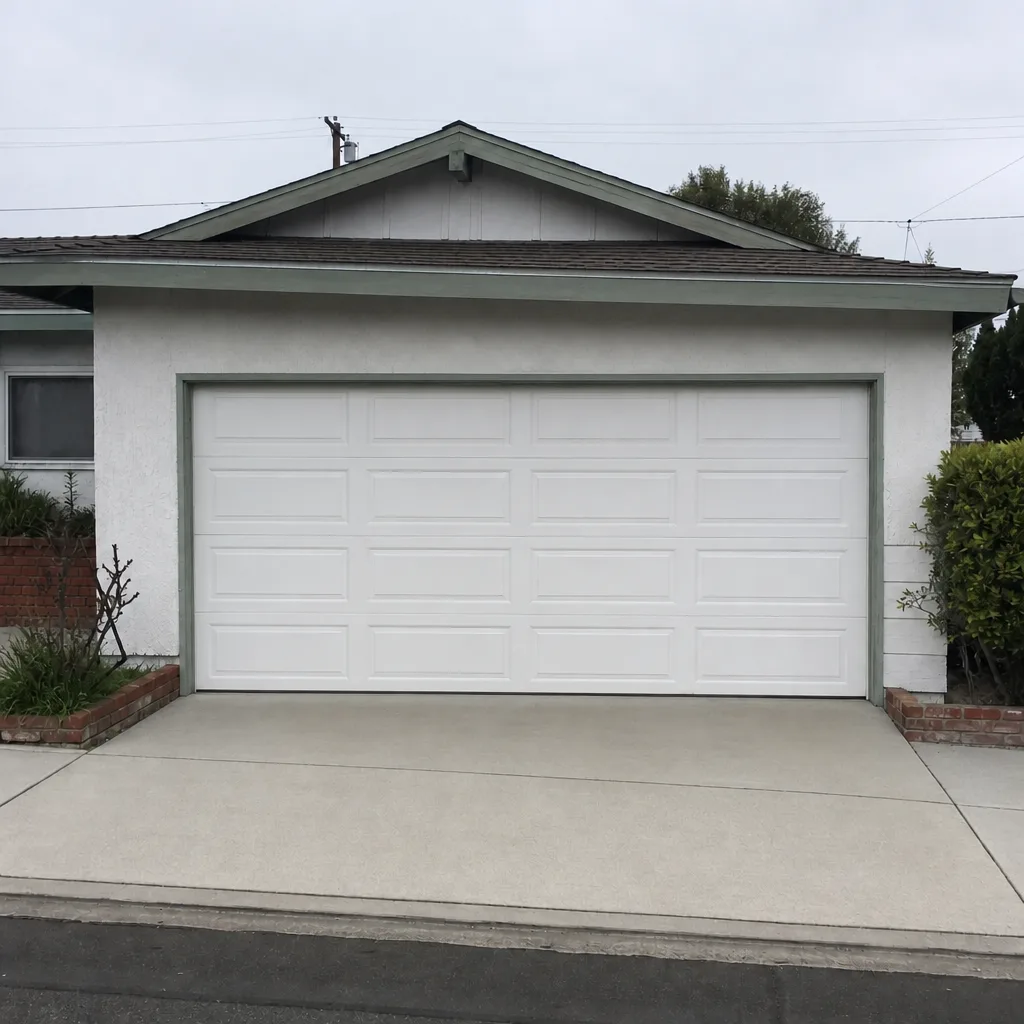
See the difference
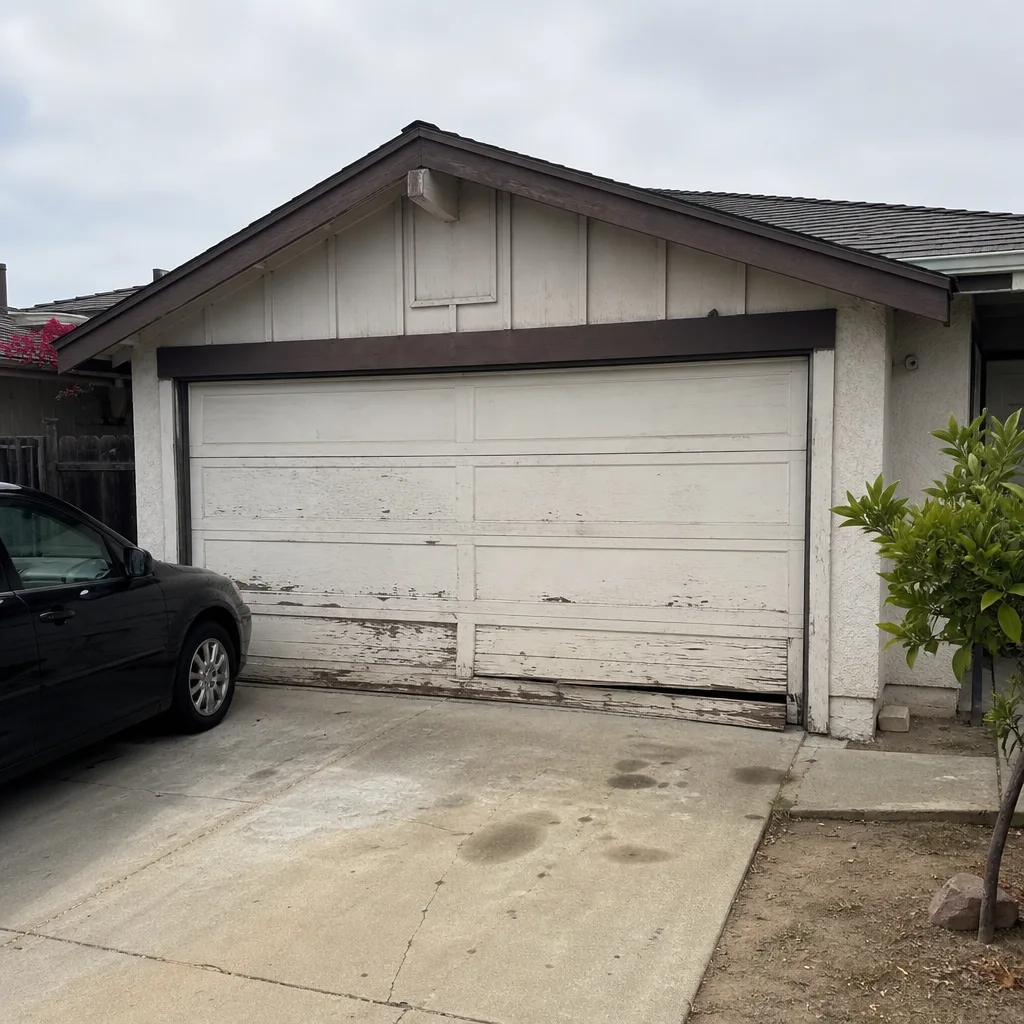 Before
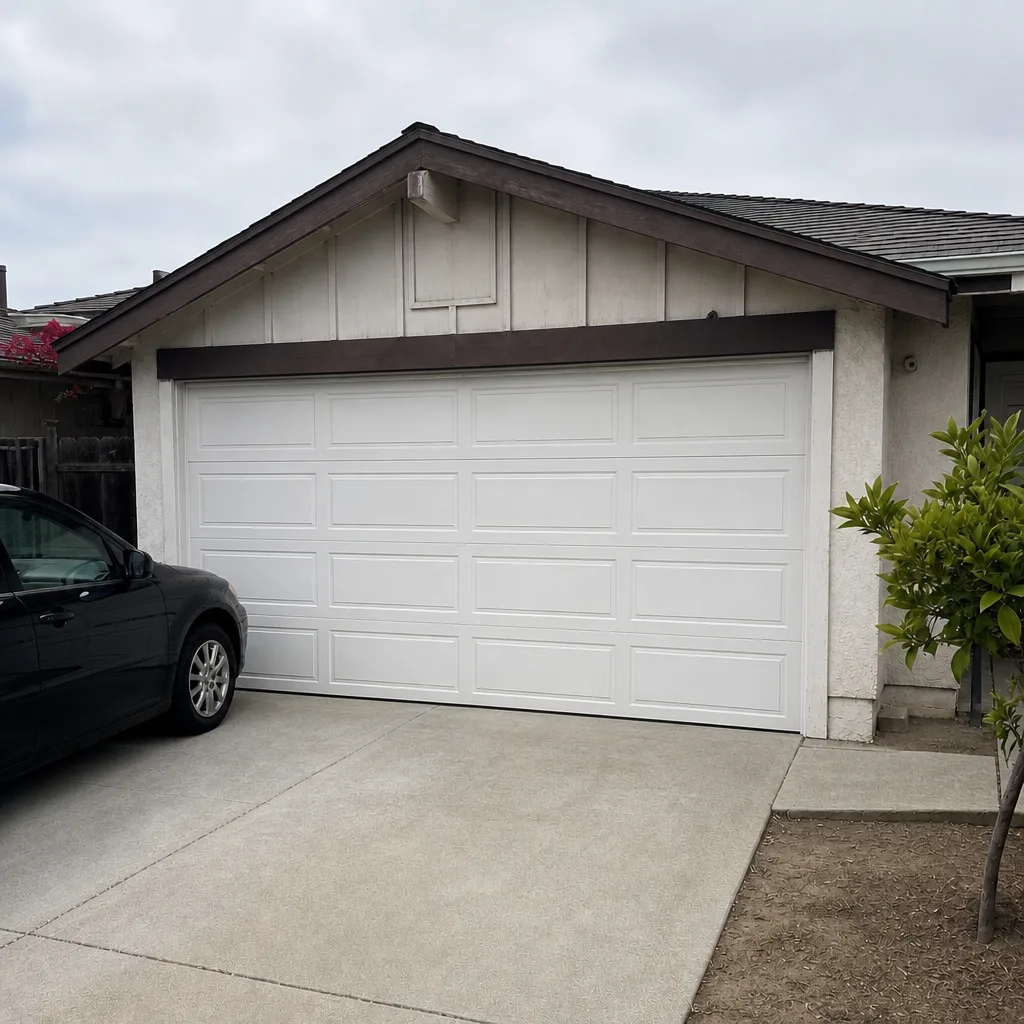 After
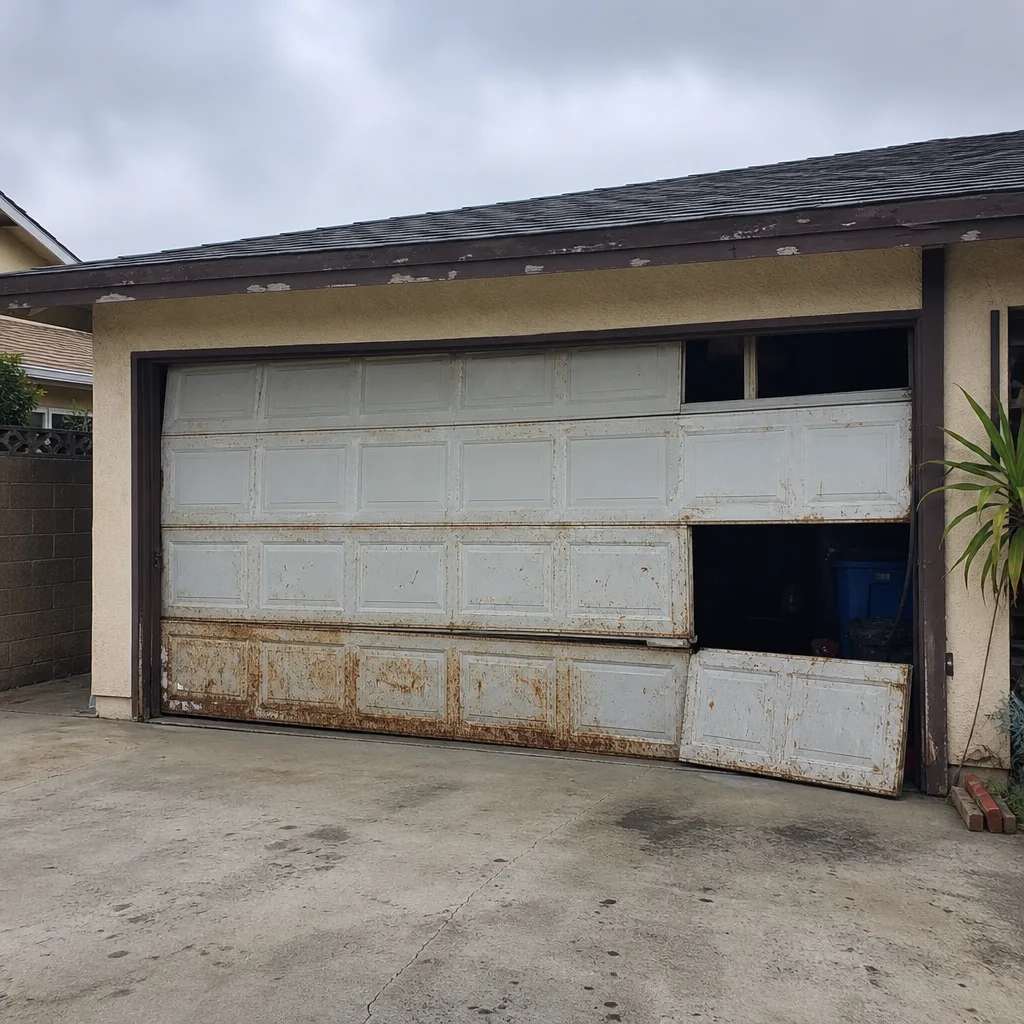 Before
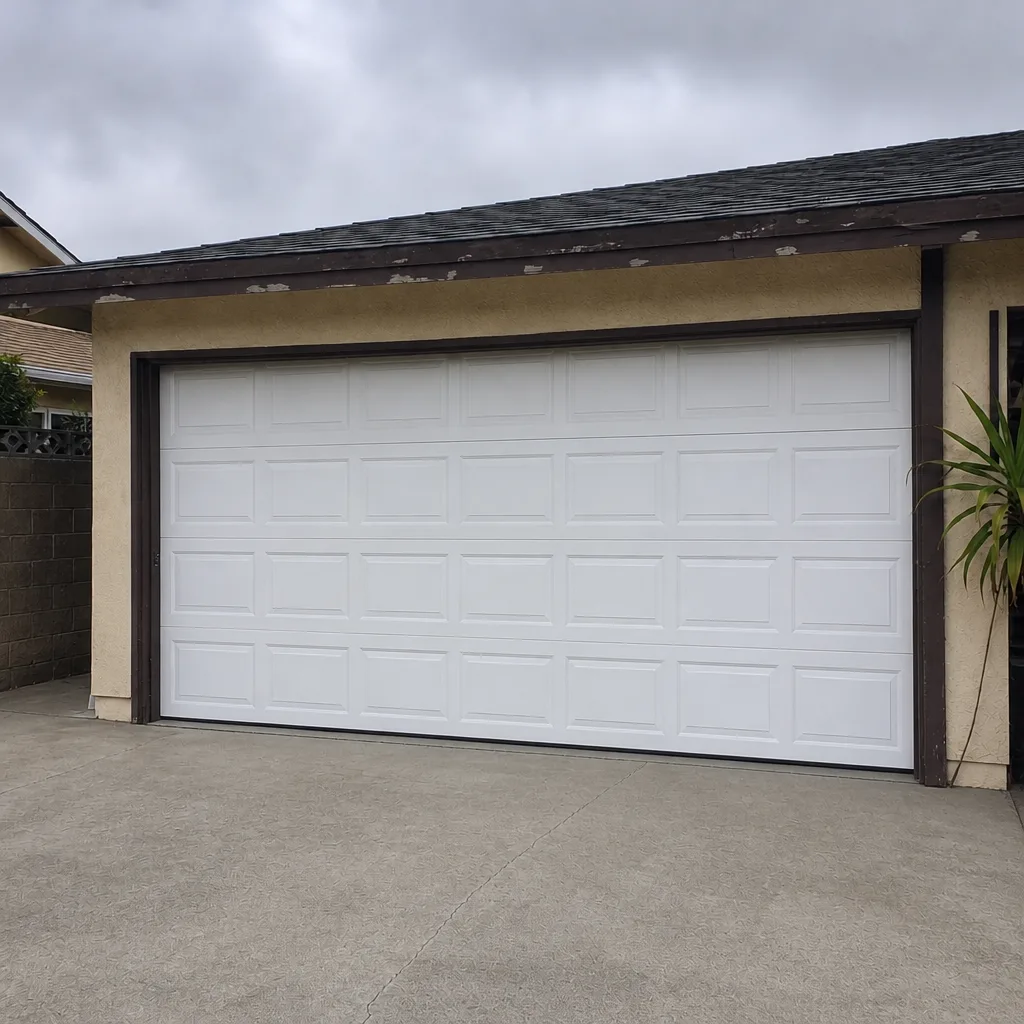 After
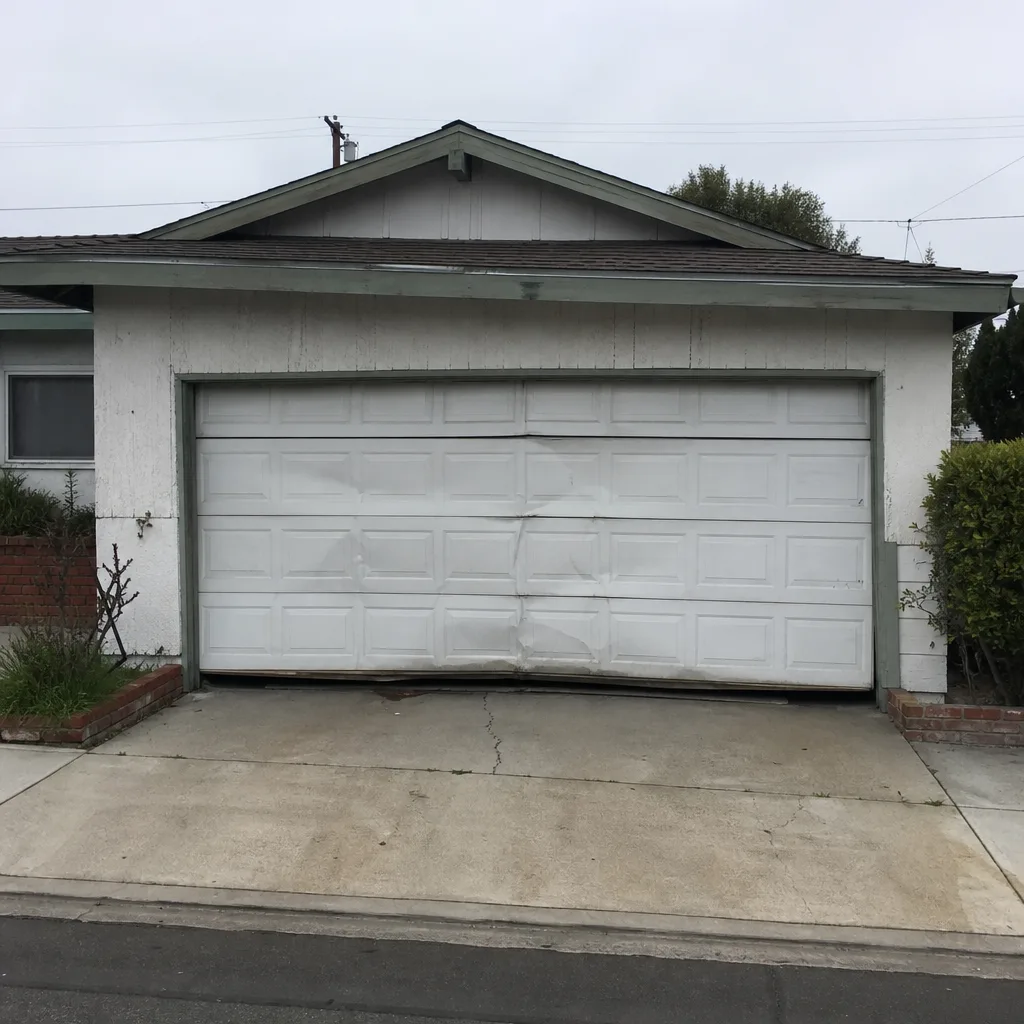 Before
 After
When to Call a Professional
Call a technician when the problem involves the springs, the cables, the track, or any component under stored tension. Also call when the opener’s internal parts are suspect: a stripped gear, a dead logic board, or a motor that hums without moving. And call when you’ve done the DIY-safe fixes and the problem persists. A persistent intermittent issue usually has a root cause that isn’t visible from the outside. Garage Door Service Lakewood offers free estimates in Lakewood. Call (866) 596-9807. We answer 24/7. Fast dispatch from 7am to 7pm, Sunday through Friday.
Frequently Asked Questions
A broken torsion spring usually shows a visible gap in the coil above the closed door, and the door will feel heavy or impossible to lift manually when you pull the emergency release. You may have heard a loud bang from the garage when it snapped. Call a technician; spring replacement is not a DIY job.
The two most common causes are a stripped drive gear inside the opener head or a failed logic board on older units. Pull the release cord and try lifting the door by hand: if it moves smoothly, the door mechanism is fine and the problem is in the opener. A technician can replace either part.
Yes, in most cases. Check the LED on each sensor. If one is blinking, loosen the wing nut, adjust the sensor until both LEDs are steady, and retighten. Make sure nothing is blocking the beam between the sensors, and check that the sensor wires aren’t pinched or broken.
Use white lithium grease on metal contact points (hinges, bearing plates, spring coils, opener chain or screw) and silicone spray on nylon rollers and weatherstripping. Never use WD-40 as a lubricant, and never grease the track itself. Lubricate twice a year for best results.
Repair costs in Lakewood vary by the part and the scope of work. A sensor realignment or remote reprogramming is a minor service call, while a torsion spring replacement or a track realignment is more involved. Every repair gets a written estimate before work begins, and the price is agreed before anything is touched. Call (866) 596-9807 for a free estimate; we answer 24/7.
We service and install LiftMaster, Chamberlain, Genie, Clopay, Amarr, Wayne Dalton, Craftsman, and Raynor. Our technicians diagnose what you have rather than pushing a specific brand, so you get the repair that fits your existing system. One visit covers both the door and the opener.
The Bottom Line
A garage door that fails rarely surprises anyone who knows what to look for. The slow open, the new grind, the slight tilt: these are warnings, not quirks. Learn to read them and you can catch a failing spring before it snaps, a worn roller before it eats the track, and a struggling opener before it strips its gear. For the repairs that are truly DIY-safe, this guide gives you the exact steps. For the repairs that aren’t, the line is clear: springs, cables, and track work under tension belong with a professional. We work on your brand, whether it’s a LiftMaster opener or a Raynor door, and we give you the honest answer on repair versus replacement. Call (866) 596-9807. We answer 24/7. Fast dispatch from 7am to 7pm, Sunday through Friday.
Written by the team at Garage Door Service Lakewood, serving Lakewood since 2013.