
Last updated November 4, 2026
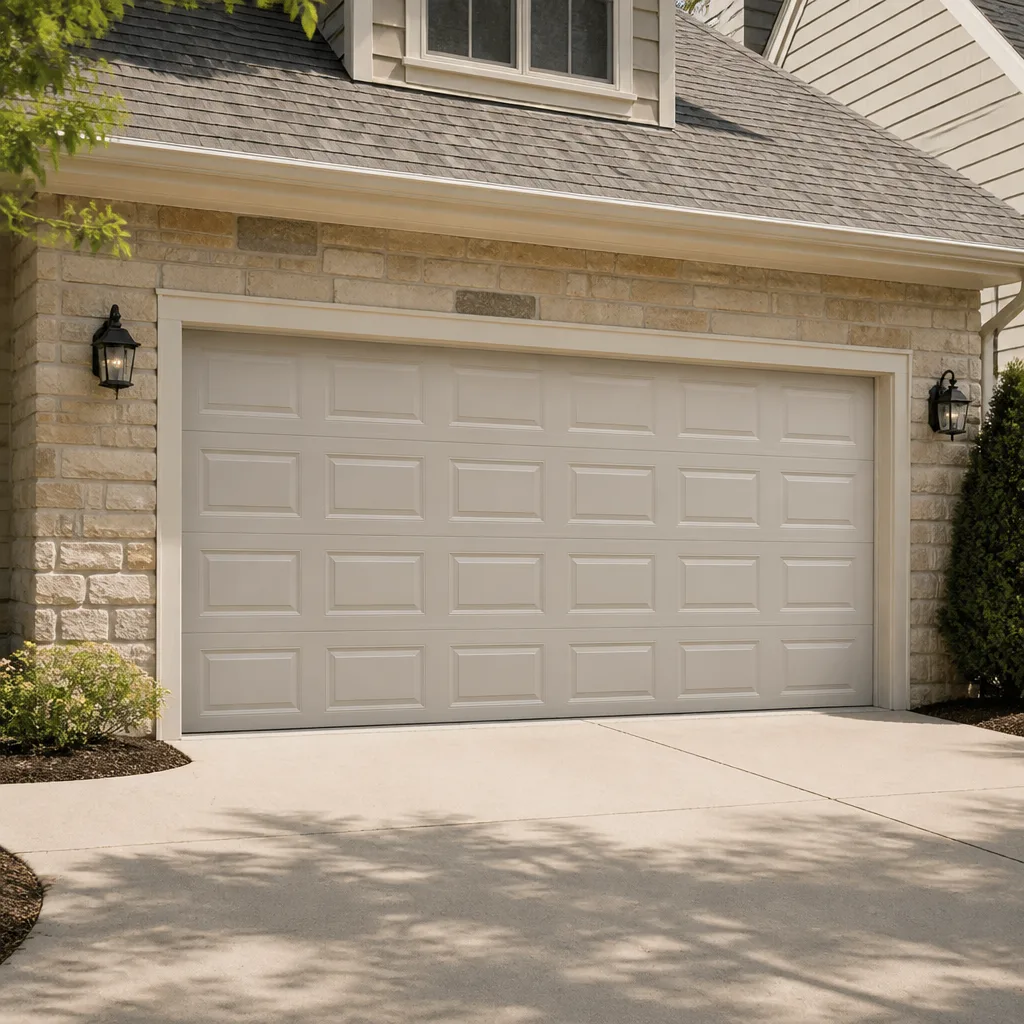 Raised-panel steel
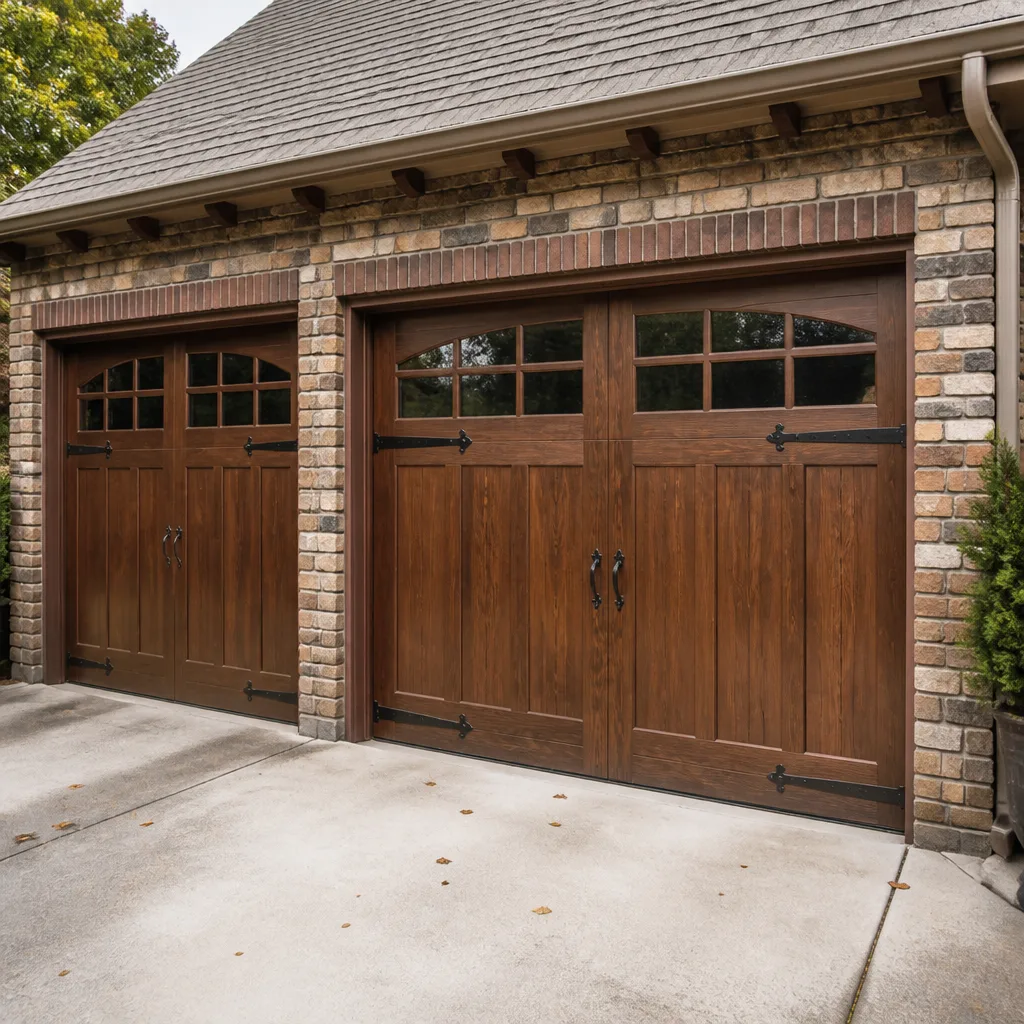 Carriage house
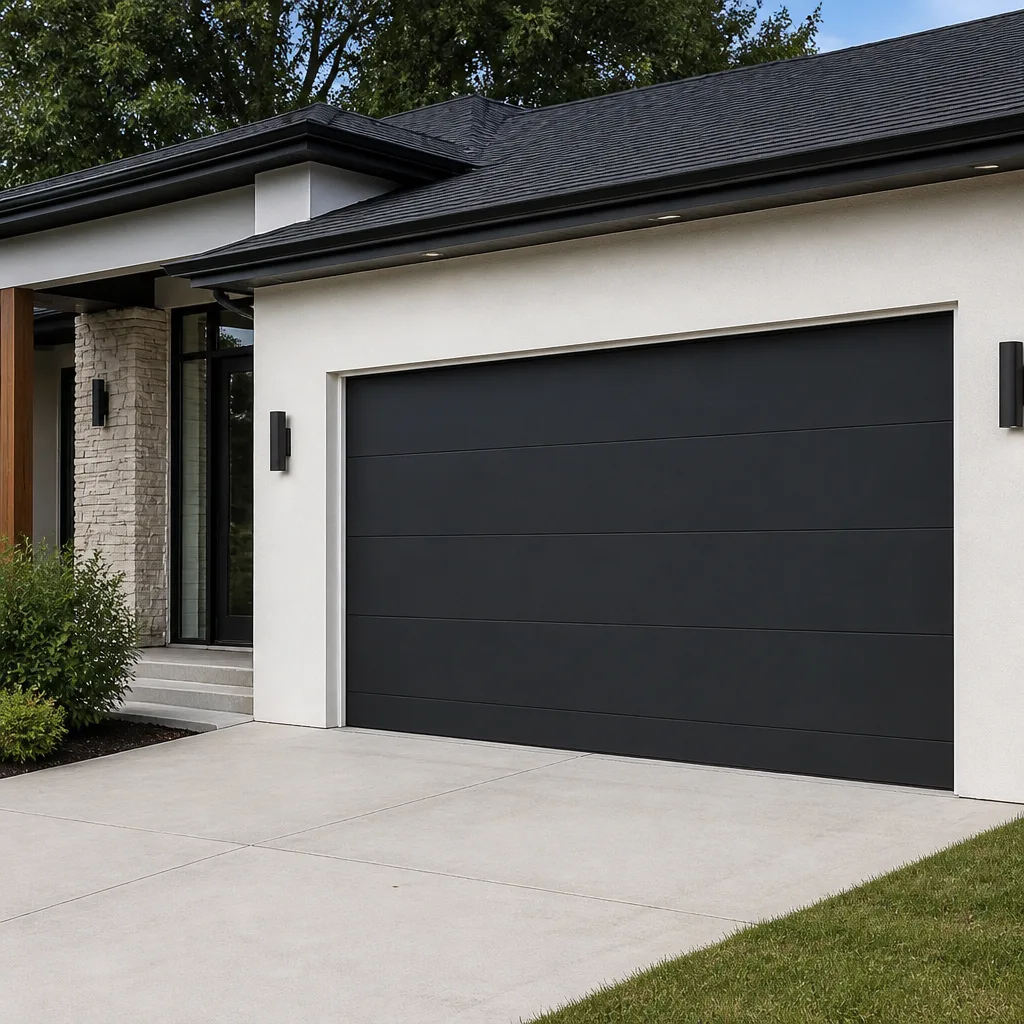 Modern flush
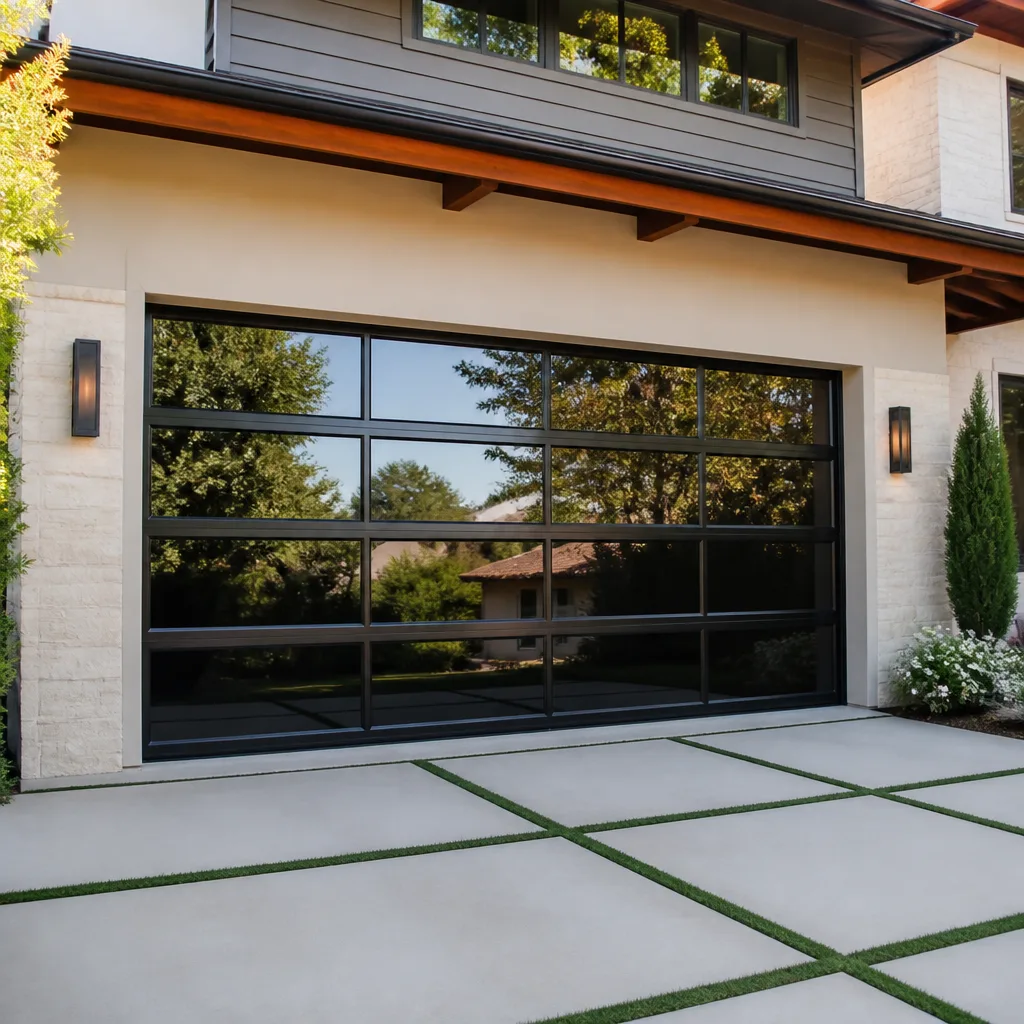 Full-view glass
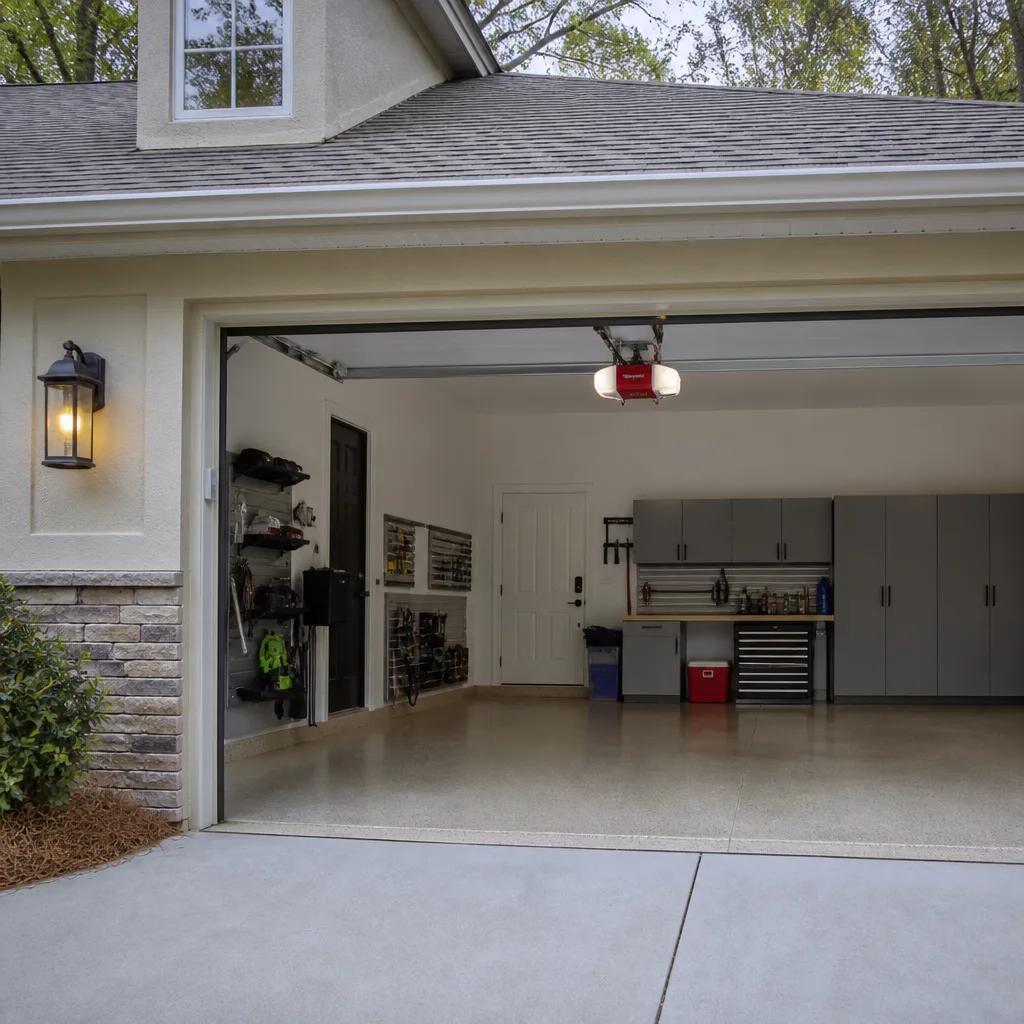 LiftMaster openers
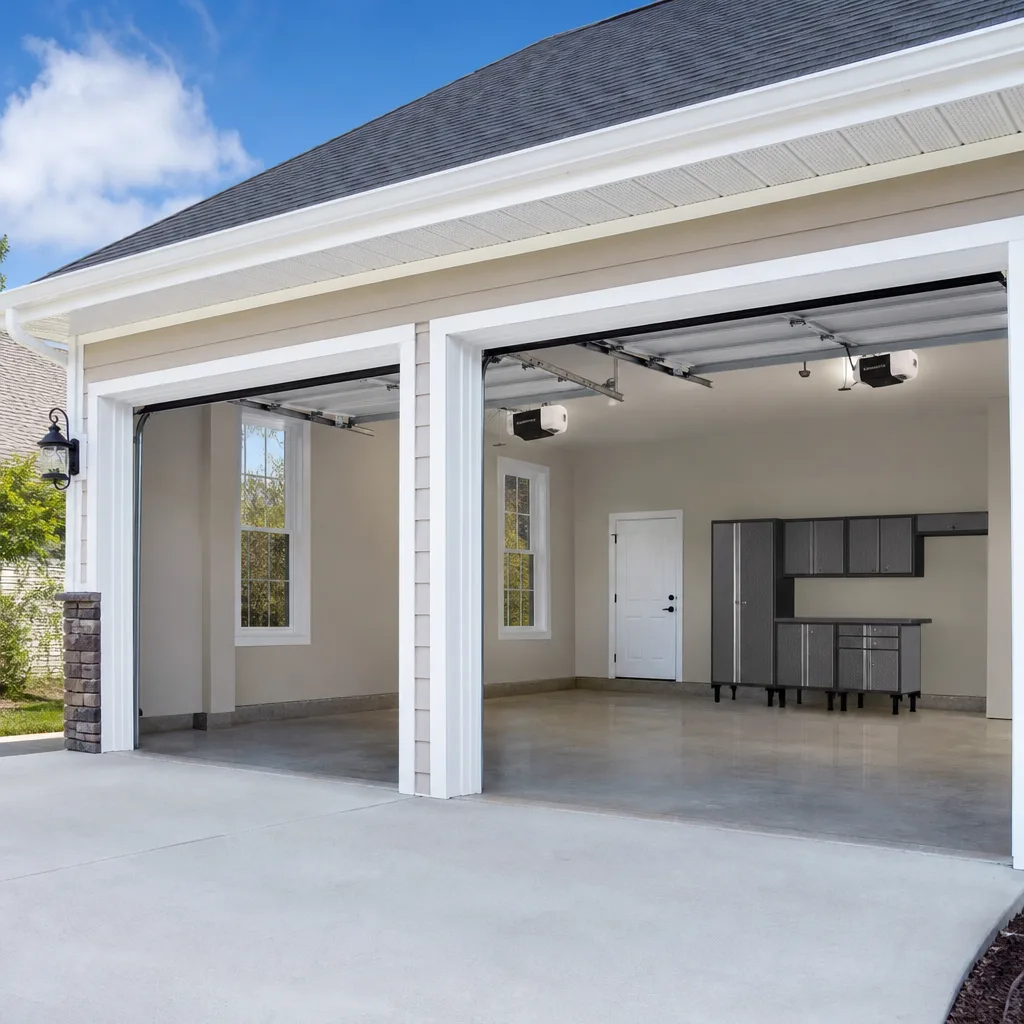 Chamberlain openers
Full 25-point door and opener safety check with every visit - springs, cables, rollers, tracks, and your LiftMaster or Chamberlain opener included
You get a price before we start. It does not change when the truck arrives.
Get your free estimateGarage Door Warning Signs: A Lakewood Homeowner’s Reference Guide
Most homeowners replace a garage door opener when the real problem is a tired spring. It’s the most common misdiagnosis we see in Lakewood, and it costs people a thousand dollars or more for a fix that doesn’t fix anything. This guide walks through the observable signs your door gives you: what each one means, what’s urgent, what can wait, and how to tell the difference between a $15 roller and a spring that’s about to let go under load. By the time you finish reading, you’ll know what to check and when to stop checking and call someone who does this every day.
Quick Answer
Most garage door warning signs fall into three groups: harmless wear (cosmetic surface cracks, slow rollers), mechanical fatigue (grinding, uneven gaps, jerky movement), and genuine safety hazards (torsion spring gaps, cable fraying, panel stress fractures). The dangerous ones involve stored tension or structural weight. If you see a gap in a torsion spring coil or broken strands in a cable, stop using the door immediately and call a professional.
Styles & brands we work with
- Raised-panel steel
- Carriage house
- Modern flush
- Full-view glass
- LiftMaster openers
- Chamberlain openers
Table of Contents
- Symptom-to-Cause Matrix: What Your Door Is Telling You
- The Manual Disconnect Test: Opener Strain vs. Spring Loss
- Torsion Spring Inspection: Gap, Rust, or Fracture
- Cable Fraying: Monitor vs. Replace Now
- Panel Cracks: Stress vs. Surface
- What Lakewood’s Climate and Housing Stock Mean for Your Door
- Common Mistakes to Avoid
- When to Call a Professional
Symptom-to-Cause Matrix: What Your Door Is Telling You
A garage door has maybe six components that wear out regularly: rollers, hinges, springs, cables, the opener gear, and the panel sections themselves. Most warning signs point to exactly one of them. Here’s the matrix we use when a Lakewood homeowner describes a noise or a movement pattern over the phone.
Slow on the way up, normal on the way down. This almost always means a weakened torsion spring. The opener motor is working harder to lift the full weight of the door because the spring isn’t doing its share. An opener that strains against a failing spring burns out its gear and motor fast.
Grinding or scraping sound, door moves normally. Rollers. Nylon rollers wear flat over time, and the metal stem starts grinding against the track. This is usually a $15 to $40 parts fix if you catch it before the track gets grooved.
Uneven gap at the bottom when closed. A cable has slipped, a spring has weakened on one side, or a panel hinge has pulled loose from the section. If the gap changes from day to day, it’s the cable or spring. If it’s constant, it’s likely the panel or hinge.
Jerky movement, door starts and stops. Either a track obstruction, a worn opener gear, or binding rollers. In Lakewood’s older interior-track garages, we also see track brackets pulling away from the header because the wood behind them has dried and split.
Door opens a few inches and reverses. The safety sensor alignment is off, or the opener’s force setting is too low to handle the door’s weight. If you recently replaced a spring or cable, the balance has changed and the opener needs a force adjustment.
Banging or popping sound during travel. A torsion spring that’s losing tension can pop as coils slip against each other. Broken sections inside a panel can also make this sound when the door flexes over the track radius.
Each of these signs connects to a fix. Some are minor. Some mean the door should stop being used until the part is replaced. The difference matters, and that’s where the next sections come in.
The Manual Disconnect Test: Opener Strain vs. Spring Loss
This is the single most useful diagnostic a homeowner can run, and it takes thirty seconds with no tools. It tells you whether the problem is the opener or the spring, which are the two most common and most expensive sources of garage door trouble.
Here’s how it works:
- Close the door completely.
- Pull the red emergency release cord hanging from the opener rail. This disconnects the door from the motor.
- Lift the door manually by the handle or the bottom edge.
- Lift it to about waist height and let go.
What you observe tells you what’s wrong. If the door lifts smoothly and stays at waist height on its own, the springs are balanced and the opener is the likely problem. If the door feels heavy and wants to fall to the ground, the torsion springs are no longer carrying their share of the load. If the door rockets upward or springs out of your hands, the springs are over-tensioned, which is equally unsafe.
A properly balanced door weighs almost nothing to lift manually because the springs store the mechanical energy for you. We’ve explained this test to dozens of Lakewood homeowners over the phone, and it consistently saves them from replacing an opener that was never the problem. If the test points to the springs, call a professional. Torsion springs are wound under hundreds of pounds of torque, and a spring that unwinds on its own can kill or maim. This is not a do-it-yourself job.
If the test points to the opener, that’s a separate diagnostic path. A failed logic board, a stripped gear, or a worn motor can all produce similar symptoms. Garage door opener repair requires bench testing to isolate the failed component, and it’s a different skill set from spring work.
Torsion Spring Inspection: Gap, Rust, or Fracture
Most torsion springs last about ten years in a typical Lakewood residential garage, which sees maybe four open-close cycles a day. The spring’s life span is measured in cycles, not years, so a door used ten times a day wears out in three or four years. Here’s what to look for when you inspect the spring mounted above your door opening.
Gap in the coil. A healthy spring is a continuous coil. If you can see daylight through a gap in the winding, the spring has fractured. This is the one warning sign that means stop using the door right now. A fractured spring is already broken. The door can still go up because the opener is lifting the full weight, but the opener will not survive that work for long, and the broken spring can unwind violently when the door moves.
Surface rust. Surface rust on a spring is not an emergency. It means the spring is aging and losing its protective oil coating. Rust creates friction between coils, which generates heat and accelerates wear at the point where coils rub. Rust alone doesn’t mean replacement. Rust plus any of the other signs (slow lift, popping noises, visible coil gap) does.
Full fracture. A fully fractured torsion spring is an emergency. The door should not be operated, even manually, unless you’ve first disconnected the opener and secured the door. The spring has released its stored torque, but the remaining fragments are still under local stress and can snap without warning.
When we replace a torsion spring in Lakewood, we always replace the pair. Springs are installed as matched sets, and a ten-year-old spring that’s failed means its partner is ten years old too. Replacing only one leaves the door unbalanced and the older spring becomes the weak point.
Cable Fraying: Monitor vs. Replace Now
The lift cables on your garage door are steel wire ropes, typically 7×19 construction (seven strands, nineteen wires per strand). They run from the bottom brackets up through the pulleys and wrap around the torsion bar or extension spring pulleys. Cable failure is the second most dangerous failure mode after spring failure.
The threshold we use is simple: if you can count more than three broken or frayed strands in a cable, replace it. Fewer than three, and the cable is at maybe fifty percent of its rated strength, which sounds fine until you remember that the cable is holding up a door that weighs two hundred to five hundred pounds. We tell Lakewood homeowners that any visible fraying on a lift cable is a replace-soon situation, but severe fraying or any kink in the cable is a replace-now situation.
A cable that’s removing itself from service gives you three warnings. First, rust at the pulley contact points. Second, a few broken strands near the bottom bracket. Third, a visible bend or kink that wasn’t there before. If all three are present, or if the cable is making a popping sound as the door moves, stop using the door and call for garage door repair.
Cables fail suddenly when they fail, and a falling door can injure whoever is standing under it. This is not a component to monitor for months. If it’s frayed, replace it.
Panel Cracks: Stress vs. Surface
Garage door panels take hits. Bikes fall against them, lawn equipment bumps them, kids slam basketballs into them. Most of what looks like serious damage is cosmetic. But there’s one type of crack that matters structurally, and it’s the one people ignore because it looks smaller.
Cosmetic surface cracks. These are hairline splits in the outer skin of the door, usually from an impact. They follow no pattern, they don’t extend to the edges of the panel, and they don’t change the shape of the door. Cosmetic cracks on a Clopay or Amarr steel door can be filled and painted, or just left alone. They don’t affect the door’s operation.
Stress cracks. These run along a line of repeated flex. You’ll see them radiating from a hinge bolt, a strut connection, or the bottom edge of the panel. Stress cracks mean the panel section itself is losing its stiffness. The panel is bending during travel, and the skin is tearing along the bend line. A stress crack will keep growing. Eventually the panel buckles, the door jams in the tracks, and the section needs replacement.
The distinction matters because a stress crack often looks less dramatic than a big cosmetic dent, but it’s the one that’s actively destroying the door’s geometry. On Wayne Dalton and Clopay panels with interior foam cores, a stress crack also lets water into the core, which adds weight and accelerates delamination. A panel that’s heavier than it used to be makes the springs work harder, which shortens their cycle life.
If you see a crack that runs straight for more than six inches, or any crack that intersects a hinge or strut, have it evaluated. Panel replacement on a common residential door is often less expensive than people expect, and it’s almost always cheaper than running the door until it buckles and damages the tracks too.
What Lakewood’s Climate and Housing Stock Mean for Your Door
Lakewood’s residential garages are mostly attached, with a high proportion of original 1950s and 1960s housing stock. That means wood headers, interior track mounts, and in some cases original door frames that have seen decades of seasonal movement. The mild winters mean we don’t deal with freeze-thaw stress on concrete pads, but we do deal with dry air, heat, and soil movement.
Dry air is a factor for lubricants. Nylon rollers, hinges, and spring coatings dry out faster in Lakewood’s arid climate than they would in a coastal town. A garage door that sits in direct sun on a west-facing wall can have track temperatures over 140 degrees in August, which accelerates wear on the nylon wheels. We recommend inspecting your rollers and hinges at the start of summer, not because it’s critical, but because a roller that seizes in July is a bigger problem than one that squeaks in January.
Soil movement is another Lakewood factor. The city sits on clay soils that expand and contract with moisture changes. Over decades, that puts subtle shear stress on garage slabs and door openings. A door that used to sit square in its opening and now shows a wider gap on one side may have a shifted threshold or a track that’s out of square. That’s a door geometry issue, not a spring issue, and it takes a technician who’s worked on older Lakewood homes to spot the difference.
Housing stock matters too. Many of the original doors on 1950s and 1960s Lakewood homes were single-piece tilt-up doors, long since converted to sectional roll-up doors. Conversions mean remounted tracks, new spring systems, and often opener installations that were done decades ago. If your home was built in the first wave of Lakewood development and still has its original track mounts, the wood behind those mounts has had sixty to seventy years to dry and crack. Loose track mounts are a common cause of jerky movement on these older doors, and they’re a cheap fix when caught early.
Common Mistakes to Avoid
- Replacing the opener when the spring is bad. The manual disconnect test above tells you which one’s failing. Skipping the test means a thousand-dollar mistake. The opener was never the problem.
- Lubricating a noisy spring instead of replacing it. A torsion spring that pops or groans isn’t dry. It’s failing. Lubrication makes it quieter for a week and then it fails anyway. Springs don’t get better with oil.
- Ignoring a frayed cable because it’s “still holding.” That’s true right up until the moment it isn’t. A cable with visible broken strands is a scheduled failure. Waiting turns a $100 cable job into a dropped door and damaged panels.
- Running a door with a fractured spring. Even once. Even “just to get the car out.” The opener will lift the door without the spring’s help, but every cycle causes more damage, and the remaining spring fragments can let go unpredictably.
- Assuming a brand-specific part requires a brand-specific dealer. Genie, Clopay, Amarr, and Wayne Dalton parts are largely standardized at the mechanical level. Garage Door Service Lakewood works across brand lines, so you don’t need to track down a dealer for your specific door manufacturer.
- Patching a stress crack with filler and paint. The crack comes back, because the panel is still flexing. Filler doesn’t restore stiffness. The section either gets reinforced or replaced.
When to Call a Professional
If your manual disconnect test shows a heavy door, your torsion spring inspection shows a coil gap, or your cables show more than three broken strands, stop using the door and call someone. These are stored-tension and loaded-weight failures, and they don’t get better with patience. If you’re in Lakewood and you’re not sure whether you’re looking at a real problem or a normal noise, call anyway. A quick phone description often sorts it out. Garage Door Service Lakewood offers free estimates in Lakewood – call (866) 596-9807 to describe what you’re seeing and get an honest read on whether it’s urgent. We answer 24/7. Fast dispatch from 7am to 7pm, Sunday through Friday.
See the difference
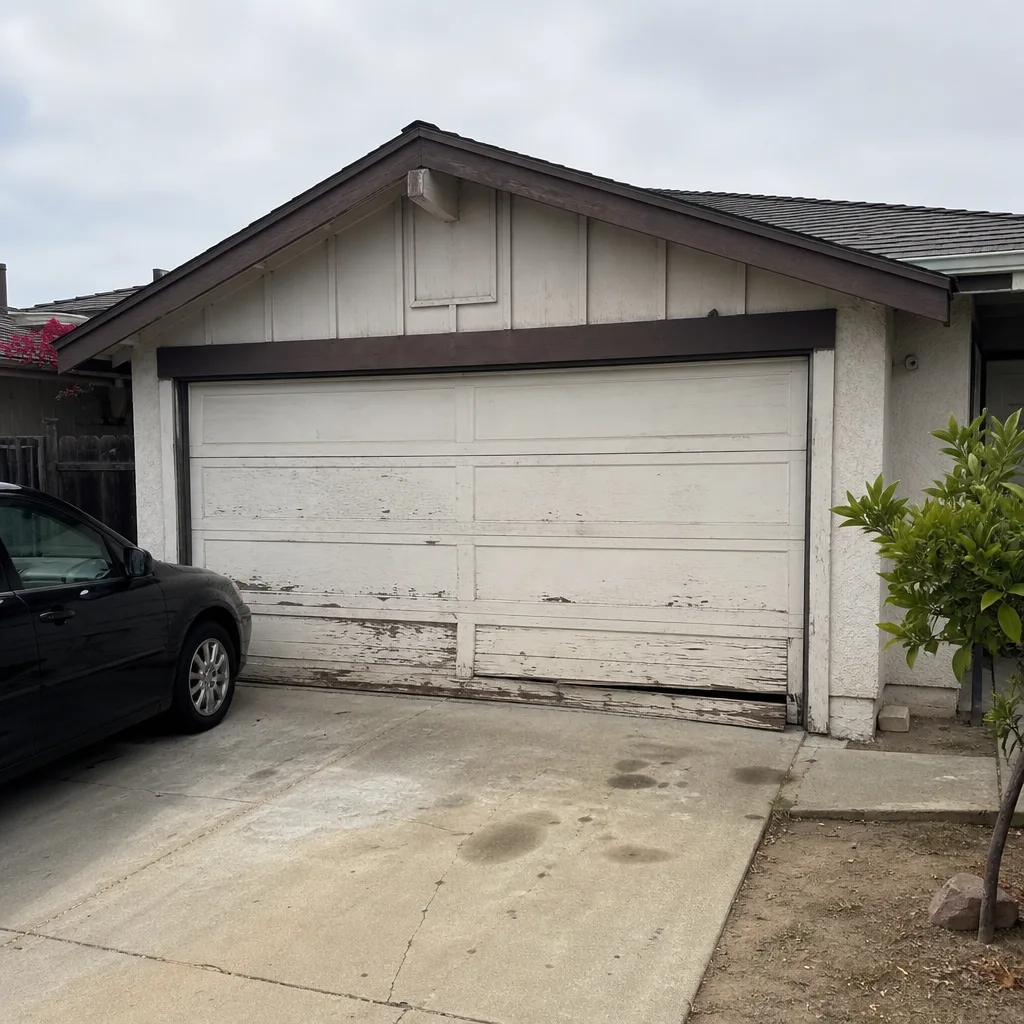 Before
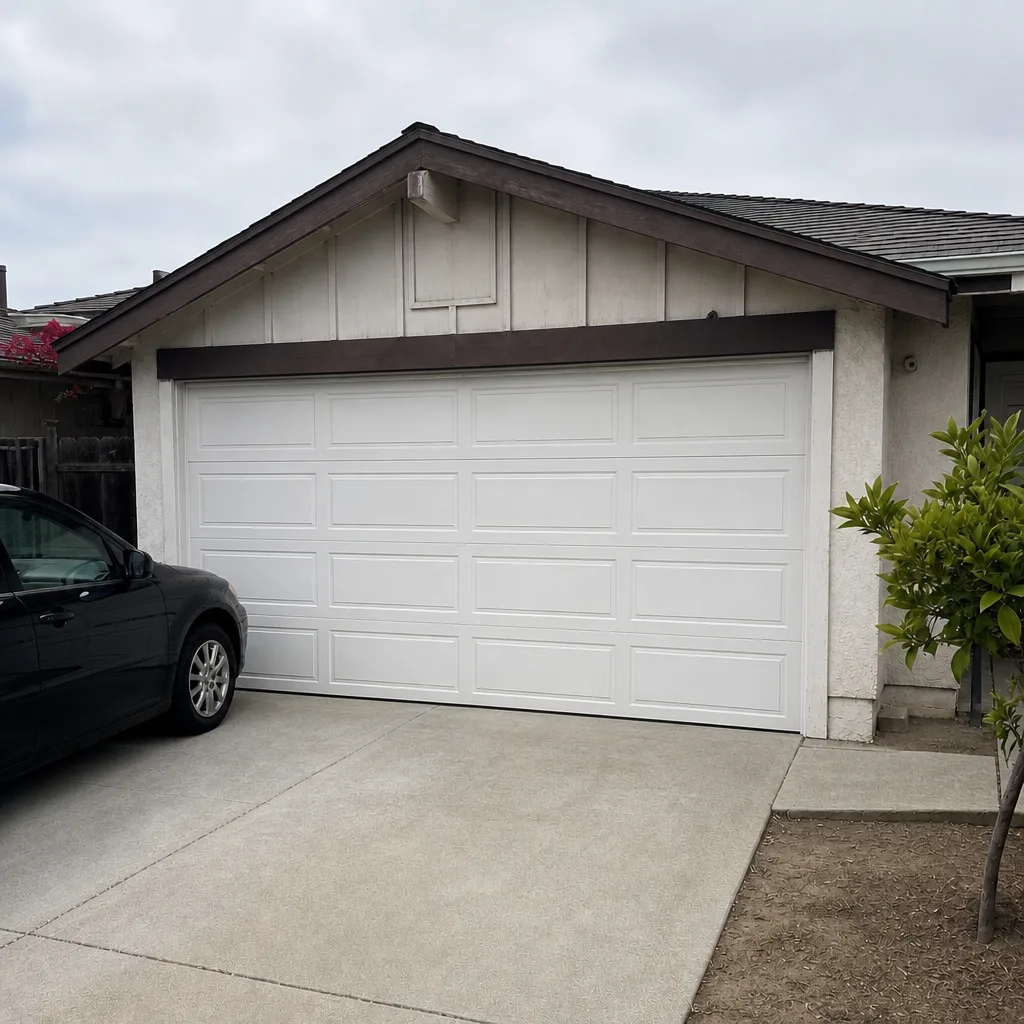 After
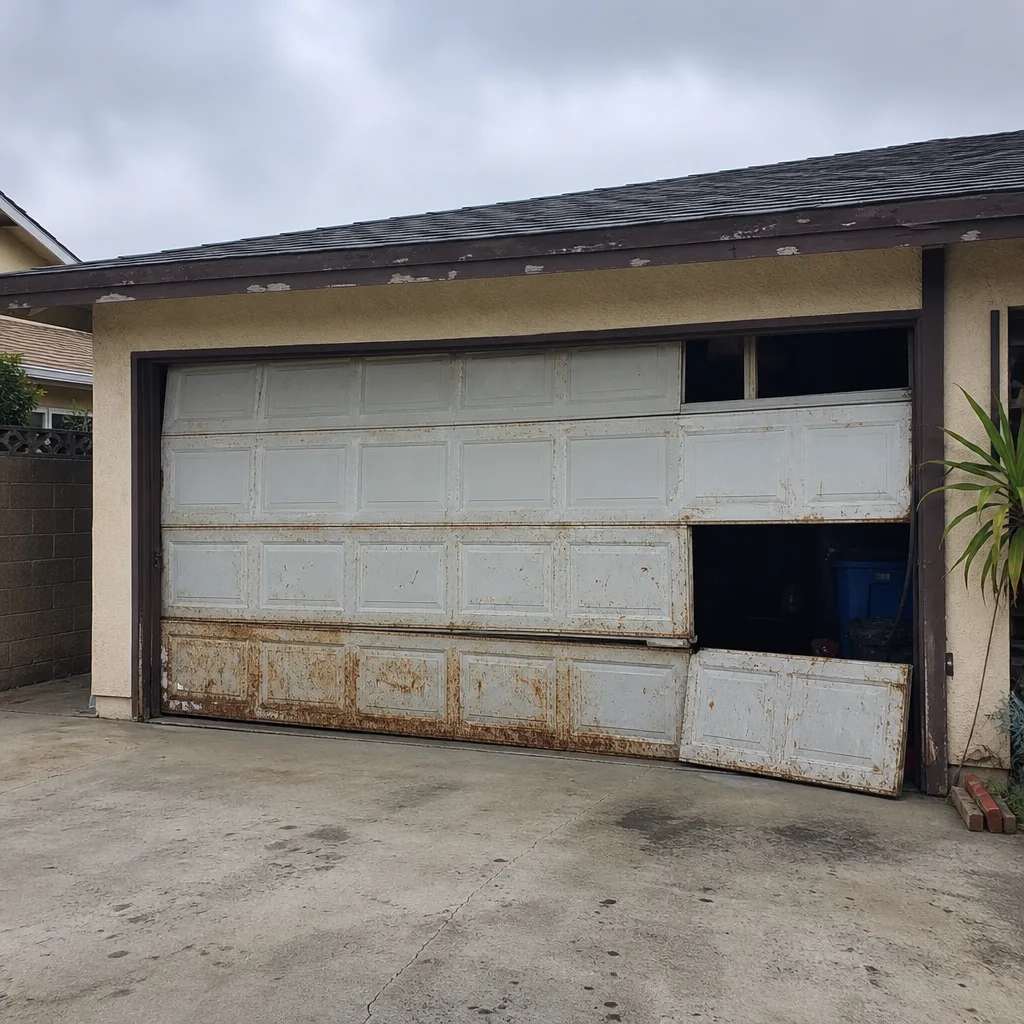 Before
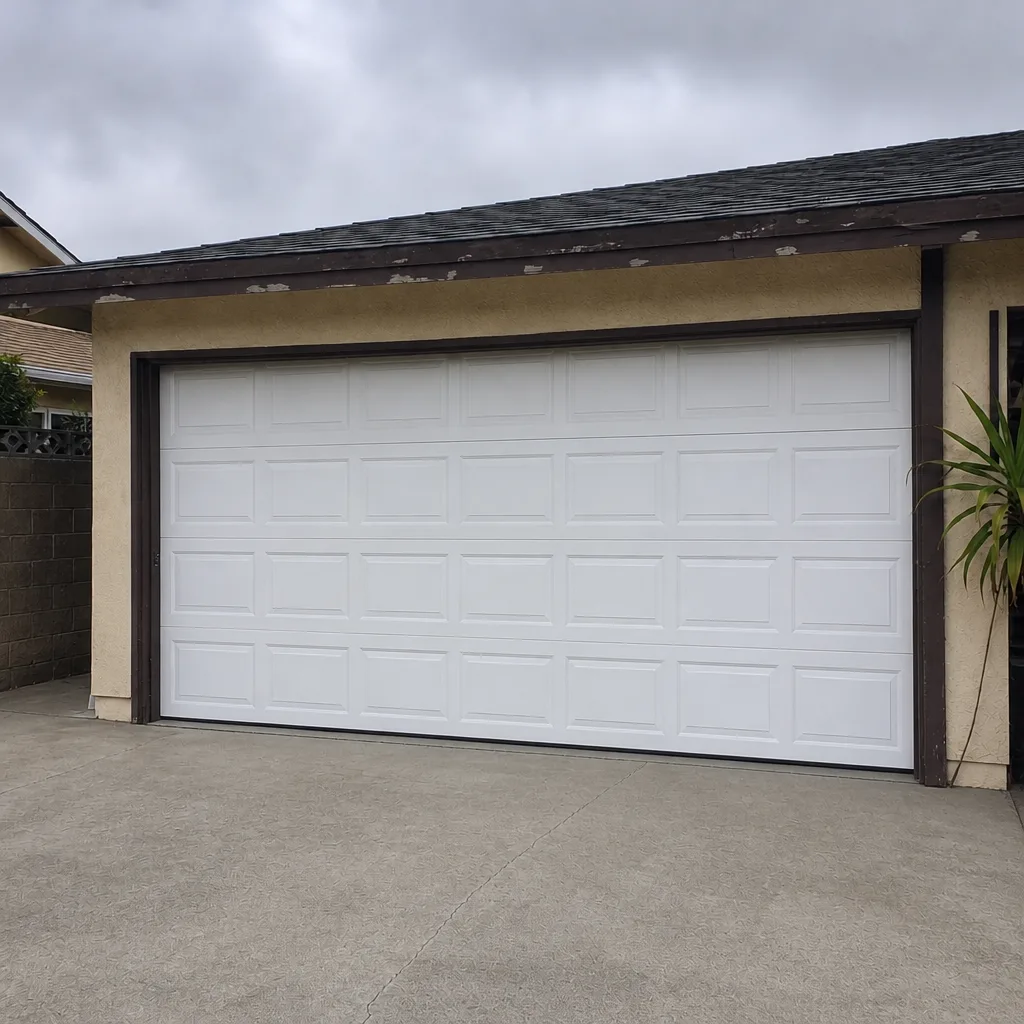 After
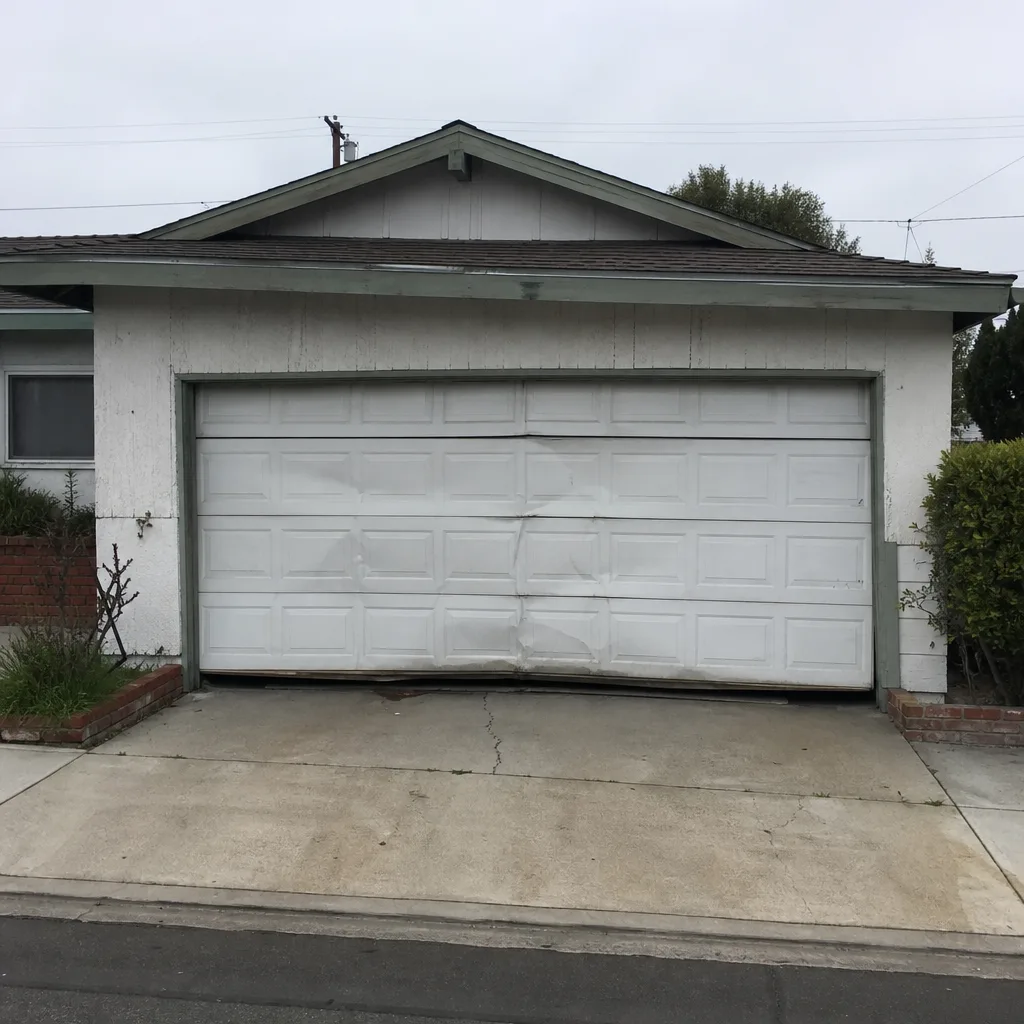 Before
 After
Frequently Asked Questions
The most common warning signs in Lakewood are slow lift on a single-spring door, grinding rollers, uneven bottom gaps from shifted thresholds, and stress cracks on older panel sections. Lakewood’s aging 1950s and 1960s housing stock produces more track-mount and panel-flex issues than newer construction, while the dry climate accelerates roller wear.
A bad spring shows itself in one of three ways: a visible gap in the coil, a door that’s heavy when you disconnect the opener and lift manually, or a popping sound during travel. Any one of these means the spring is failing or failed. A heavy door plus a normal-looking spring means you haven’t found the failure yet, but it’s there.
No. A frayed lift cable is a loaded component. The cable is holding up a door that weighs hundreds of pounds. If more than three strands are broken, or if the cable shows any kink, the next cycle could be the one that drops the door. Stop using it and call for repair.
A surface crack is a cosmetic split in the door’s outer skin, usually from an impact. A stress crack runs in a straight line, often starting from a hinge bolt or the panel’s bottom edge, and it indicates the panel is flexing and losing structural stiffness. Stress cracks grow and should be evaluated. Surface cracks don’t affect operation.
Yes. We service and install what you already have, across the major residential brands: Clopay, Amarr, Wayne Dalton, and Genie among them. Garage door repair on a Clopay door uses the same diagnostic approach as a Wayne Dalton door, because the mechanical systems work on the same principles. You don’t need a brand-specific dealer.
Call (866) 596-9807 and describe what’s happening. We answer 24/7. Fast dispatch from 7am to 7pm, Sunday through Friday. A call outside dispatch hours is booked into the next opening, Sunday through Friday, 7am to 7pm. Most spring and cable jobs in Lakewood are completed in one visit because the parts are standard and carried on the truck.
The Bottom Line
The warning signs your garage door gives you are not all equal. A noisy roller is a cheap fix. A fractured torsion spring is a loaded hazard. The key is knowing which signs point to which component, and the manual disconnect test is the fastest way to separate opener problems from spring problems without any tools. In Lakewood, where dry heat accelerates roller wear and aging housing stock causes track and panel issues, regular visual inspection catches most failures before they become emergencies. Check your springs and cables twice a year. If you see a gap, fraying, or a deepening crack, call (866) 596-9807. Garage Door Service Lakewood has worked on residential garage doors across the city since 2013. Estimates are free, and the price is quoted and agreed before any work starts.
Written by the team at Garage Door Service Lakewood, serving Lakewood since 2013.