
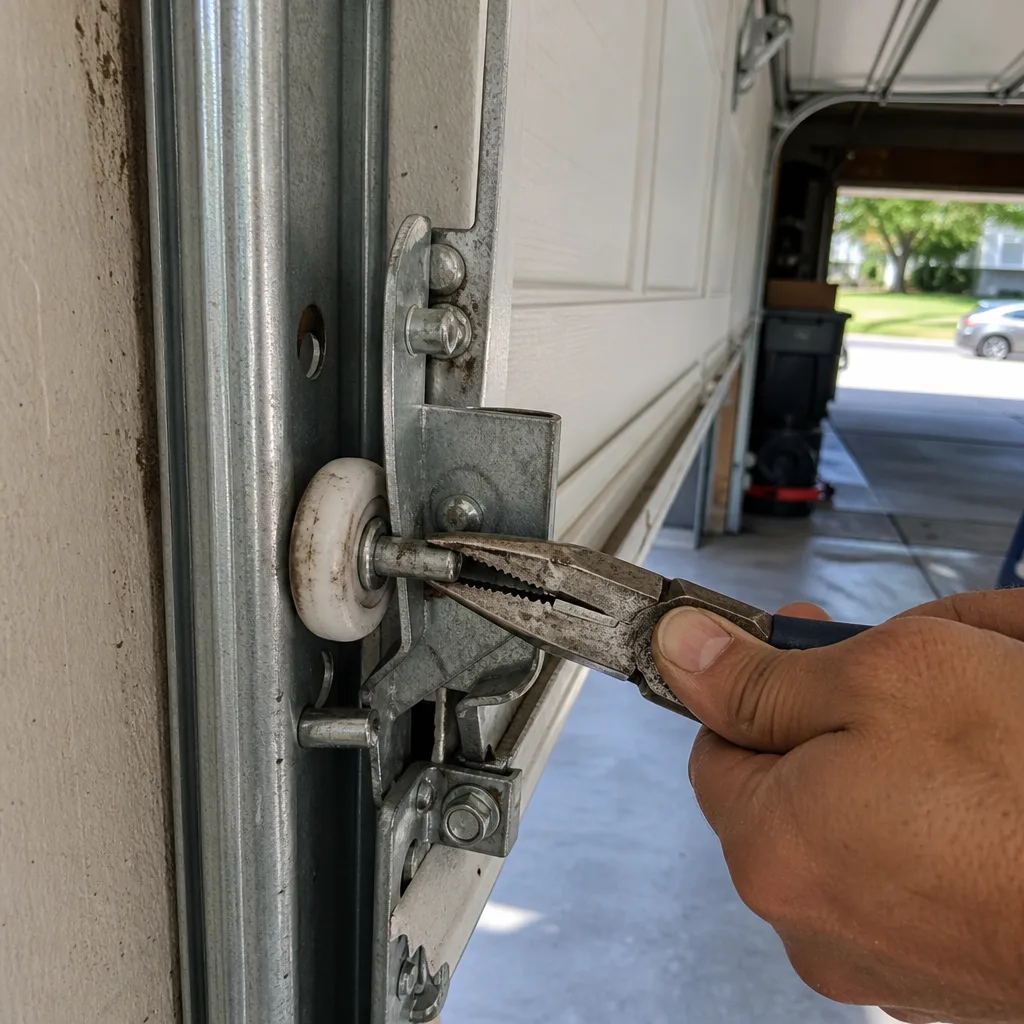
Last updated November 4, 2026
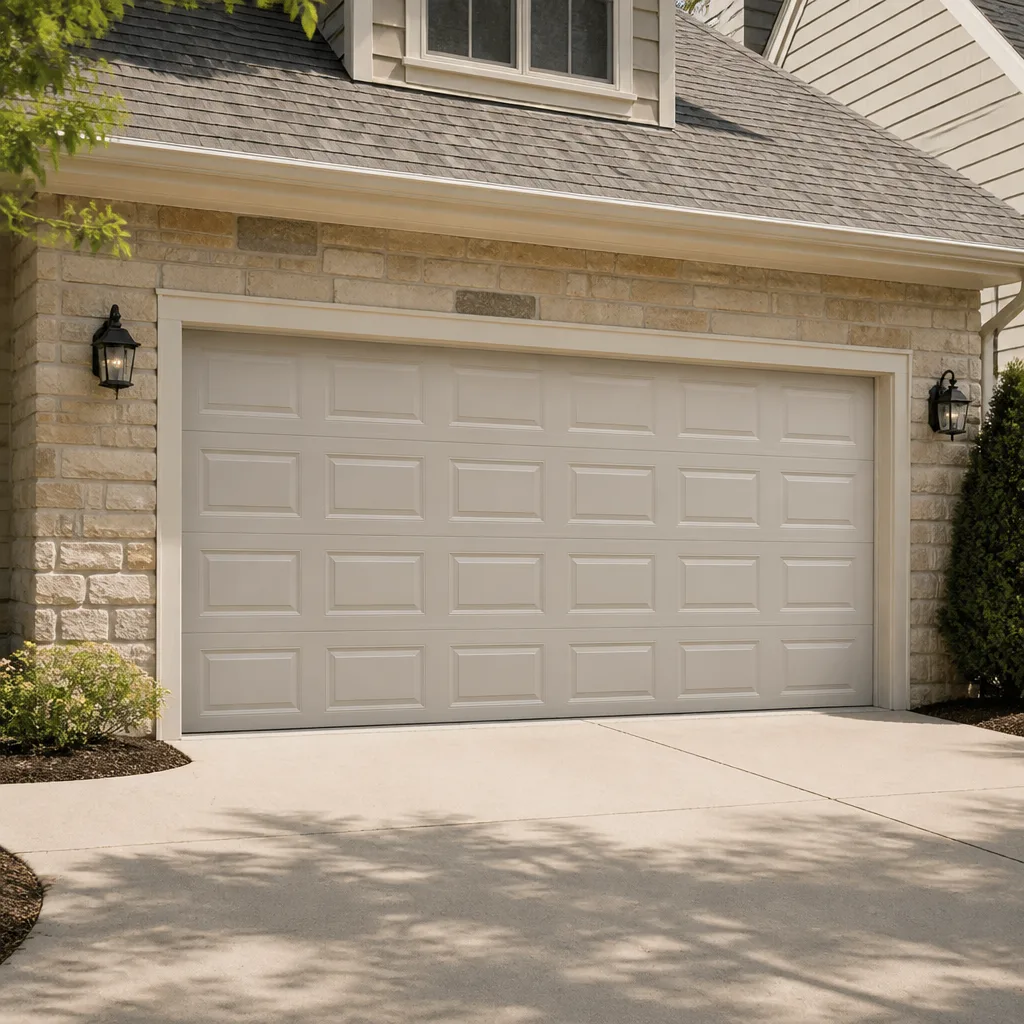 Raised-panel steel
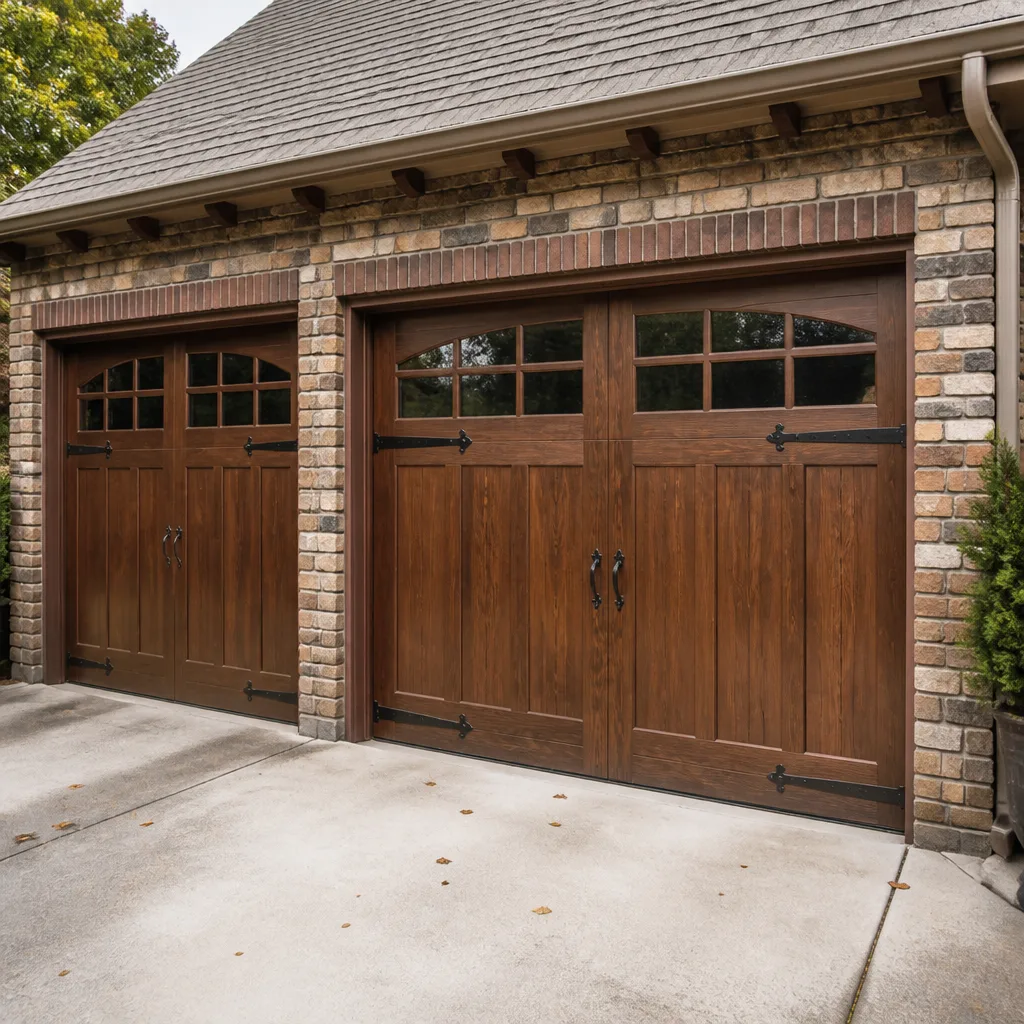 Carriage house
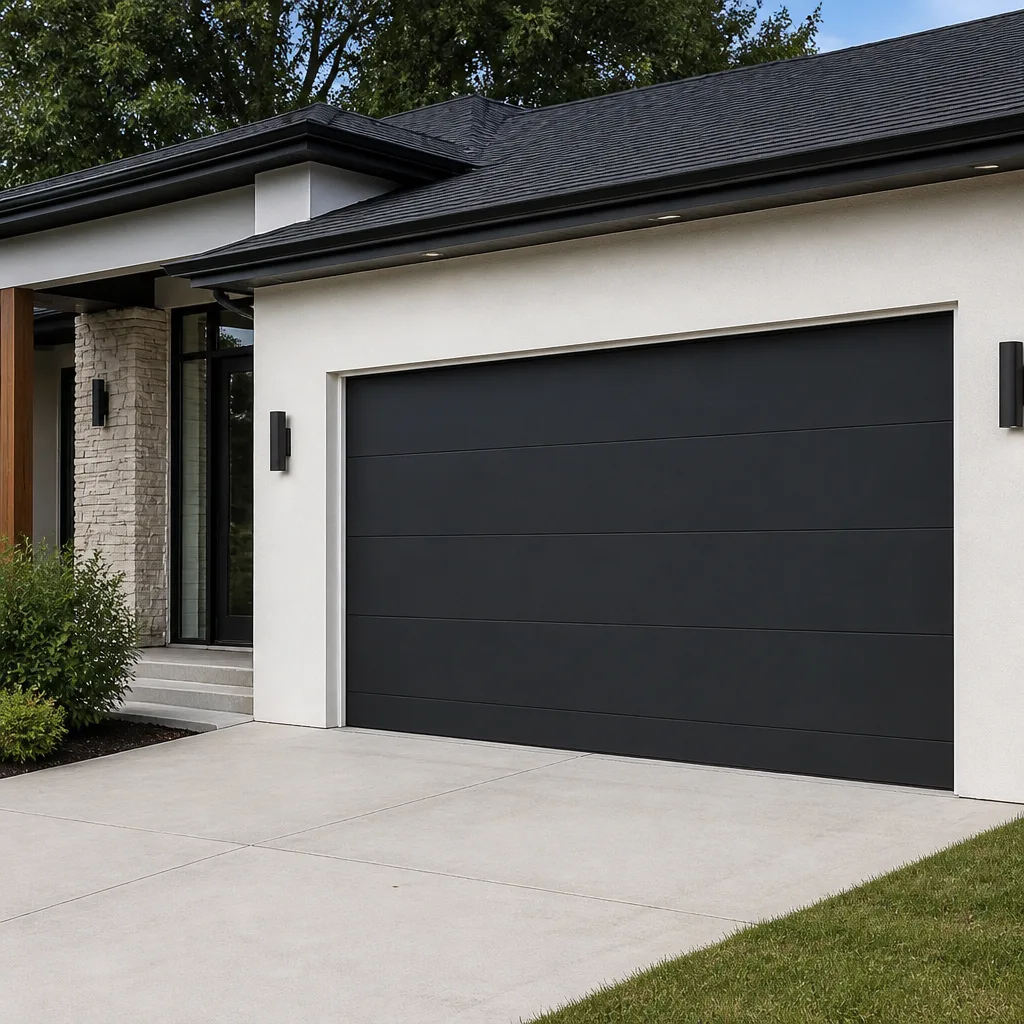 Modern flush
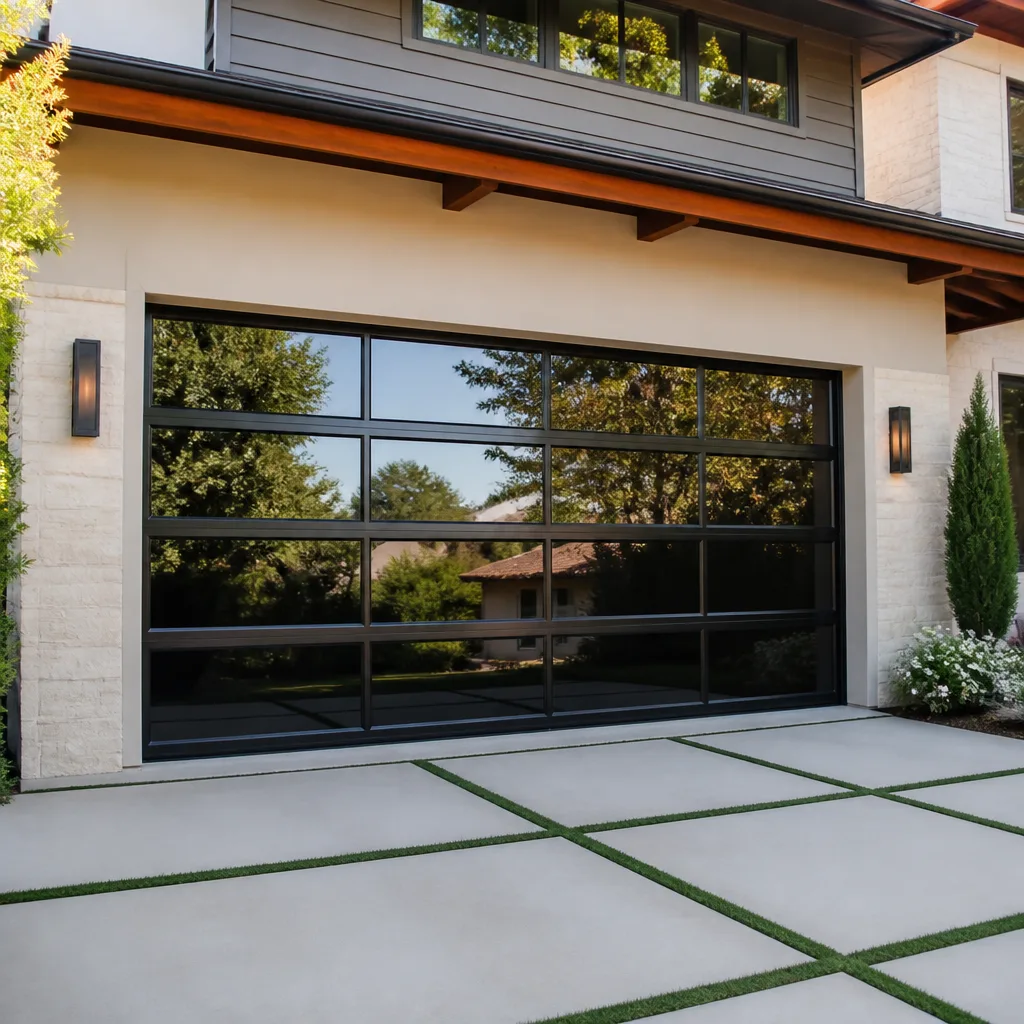 Full-view glass
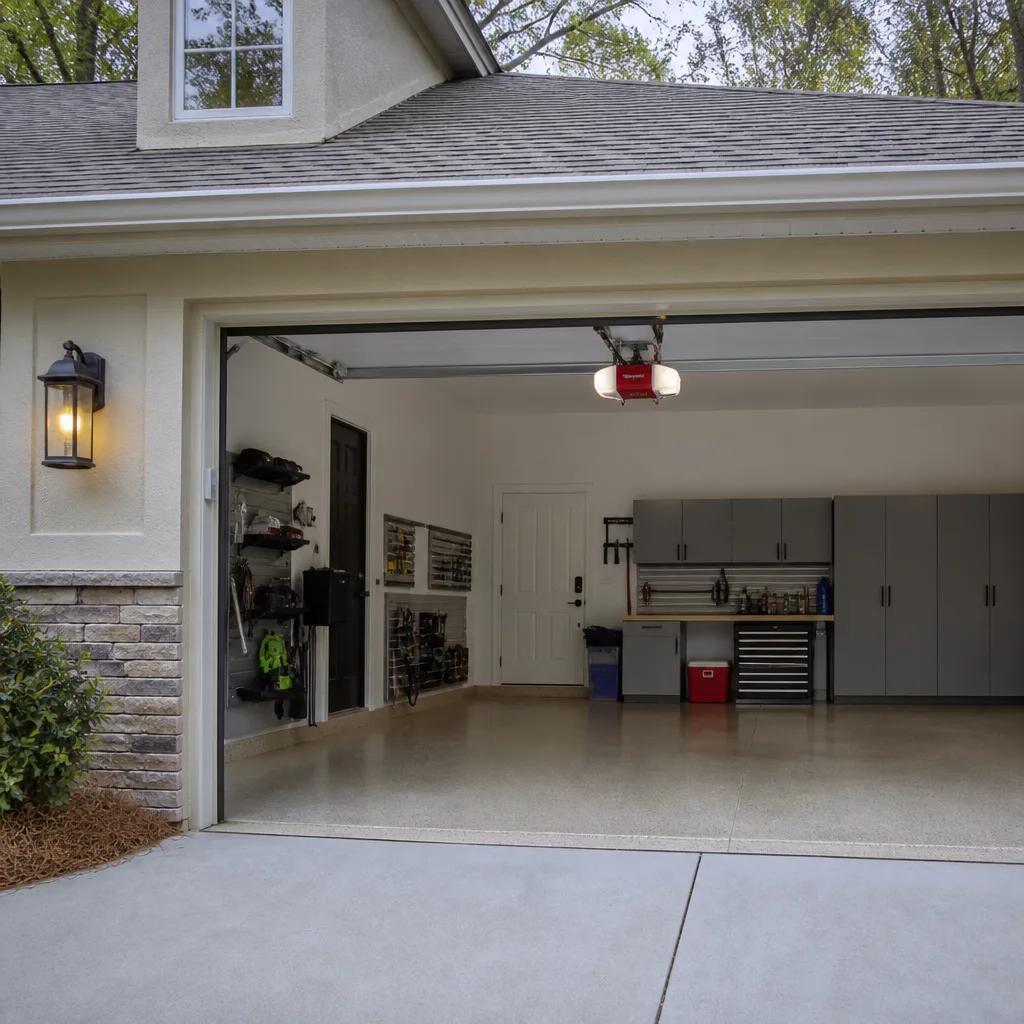 LiftMaster openers
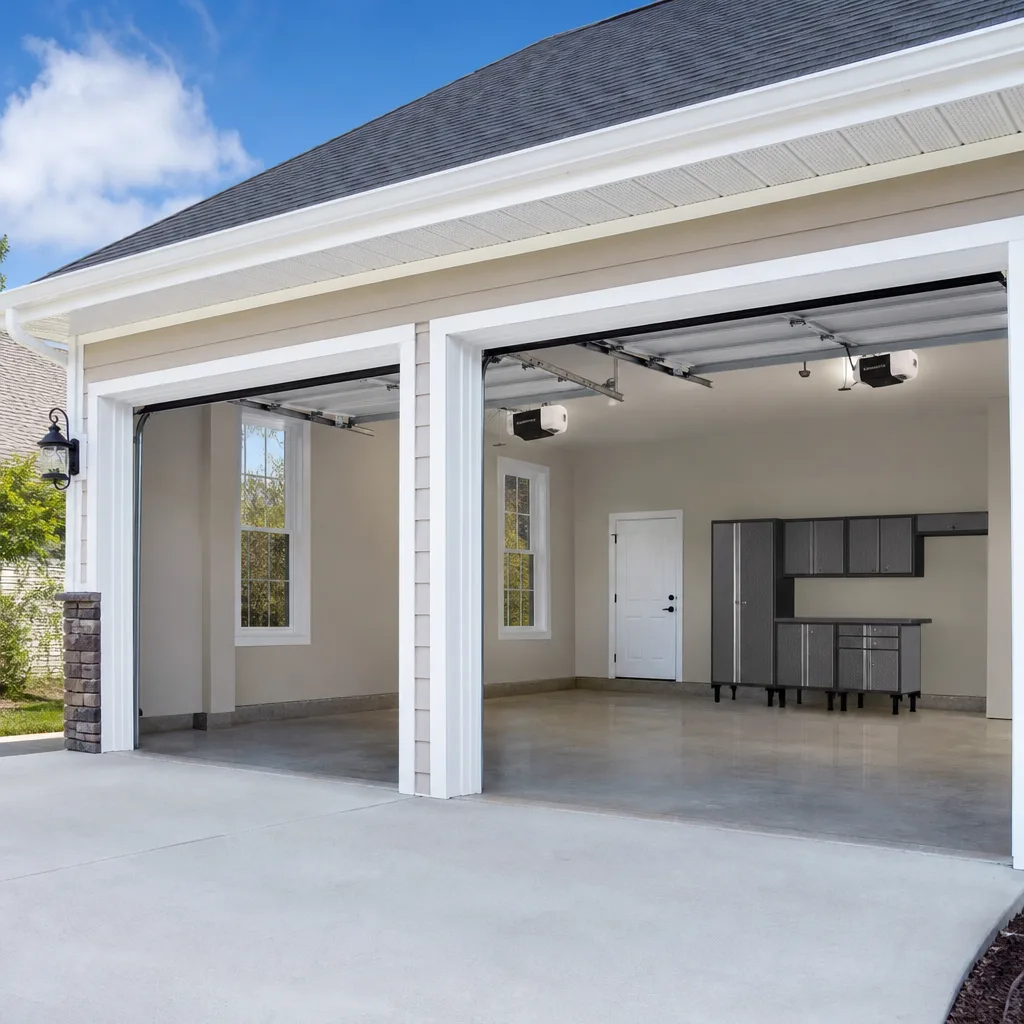 Chamberlain openers
Full 25-point door and opener safety check with every visit - springs, cables, rollers, tracks, and your LiftMaster or Chamberlain opener included
You get a price before we start. It does not change when the truck arrives.
Get your free estimateGarage Door Permits, Codes & Inspections in Lakewood, CA: What You Need to Know
Most Lakewood homeowners assume swapping a garage door is like changing a light fixture, no permit needed. That assumption usually holds, right up until the job includes a new automatic opener, a widened rough opening, or a door separating the garage from the house. Those three items are the most common permit triggers in Los Angeles County, and contractors who skip them hand the compliance risk straight to the homeowner. This guide walks through exactly what requires a permit in Lakewood, which codes apply, what an inspector actually checks, and how unpermitted work can resurface years later during a sale.
Quick Answer
A basic garage door panel replacement on an existing opening in Lakewood typically does not require a building permit, but adding a new opener, modifying the header or framing, or replacing the fire-rated door between an attached garage and the home usually does. Permits are issued through the City of Lakewood Building and Safety Division, and the final inspection verifies compliance with the California Building Code (CBC), California Energy Code (Title 24), and local amendments. Most straightforward replacements take one to two weeks for permit approval and a single inspection visit.
Styles & brands we work with
- Raised-panel steel
- Carriage house
- Modern flush
- Full-view glass
- LiftMaster openers
- Chamberlain openers
Table of Contents
- When a Garage Door Permit Is Required in Lakewood
- City of Lakewood vs. LA County Unincorporated Rules
- California Energy Code (Title 24) and Garage Doors
- Fire Separation Requirements for Attached Garages
- How Unpermitted Garage Work Affects a Home Sale
- The Inspector’s Checklist: What They Look At
- Retroactive Permits: Fixing Unpermitted Work
- Common Mistakes to Avoid
When a Garage Door Permit Is Required in Lakewood
The City of Lakewood uses the California Building Code as its baseline, with local amendments adopted through the Lakewood Municipal Code. For residential garage doors, the permit trigger depends on the scope, not the door itself. A straight panel swap, where the old tracks, springs, and opener stay put and the new door drops onto existing hardware, is generally classified as a minor repair and does not require a permit.
The trigger points in Lakewood are specific and well documented:
- New automatic opener installation: Any motorized door operator added to a garage that did not previously have one requires an electrical permit. The opener circuit is a new electrical load, even if it plugs into an existing receptacle.
- Rough opening modification: Widening, raising, or structurally altering the garage door opening requires a building permit, because the header, jambs, and load path change.
- Replacing the fire-rated door between house and garage: In attached garages, the door connecting the garage to the living space is a fire separation assembly. Replacing it, even with a same-size door, requires a permit because the inspector must verify the rating.
- New door in a new wall or new garage: Any new construction or structural addition that includes a garage door falls under a full building permit.
What surprises most homeowners is that the opener trigger is separate from the door trigger. You can replace a door with no permit and still need one for the opener, which means two scopes in one project can have two different compliance paths. A technician working on a LiftMaster or Chamberlain opener should be able to tell you which side of the line your project falls on, but the final word always belongs to the Lakewood Building and Safety Division.
For a full picture of what a garage door repair involves, including what counts as a repair versus an alteration, it helps to understand the mechanical boundary between the door assembly and the structure around it.
City of Lakewood vs. LA County Unincorporated Rules
Lakewood is an incorporated city with its own Building and Safety Division, which means it does not defer to LA County for permit review or inspection on residential projects within city limits. This is an important distinction because many Lakewood-adjacent neighborhoods, including portions of Bellflower, Paramount, and unincorporated LA County pockets, operate under the Los Angeles County Department of Building and Safety (LADBS) instead. The permit path is not the same.
The practical difference comes down to process. Lakewood is a smaller jurisdiction with a streamlined counter for simple residential permits. A basic electrical permit for a new opener can often be issued over the counter or online, with minimal plan review. LA County, by contrast, handles a much larger volume and the same permit may take longer and cost more in review fees. If you live in an unincorporated area with a Lakewood mailing address, your permit originates from LADBS, not the city.
Scope thresholds are similar between the two because both jurisdictions adopt the CBC, but the local amendment packages differ. Lakewood’s municipal code and Lakewood-specific inspector interpretations govern what gets flagged at final. LADBS has its own inspection checklist and may enforce different local energy requirements. The lesson for homeowners: confirm your actual jurisdiction before assuming the rules you heard from a neighbor apply to your address.
For anyone inside the city limits, we’ve seen the most common point of friction come from opener permits specifically. Homeowners assume the door and opener are one appliance, but the City of Lakewood treats the door as a building finish and the opener as an electrical fixture. That distinction drives nearly every surprise permit finding in this area. When garage door opener repair moves into replacement or new installation, the electrical permit question comes into play.
California Energy Code (Title 24) and Garage Doors
Title 24, Part 6 of the California Code of Regulations, sets energy efficiency requirements for buildings, and residential garage doors fall under its scope in specific circumstances. The relevant standard covers the thermal performance of the door assembly when the garage is conditioned space, or when the garage shares a wall with conditioned space in new construction.
Here is how Title 24 applies in Lakewood in practical terms:
- Replacement doors on existing homes: California does not generally require a specific R-value for a replacement residential garage door on an existing unconditioned garage. The trigger is more limited than most homeowners assume.
- New construction: A garage door installed as part of a new home in Lakewood must meet the prescriptive package in Title 24, which may specify a minimum R-value depending on the climate zone. Lakewood falls in California climate zone 8, where garage door insulation requirements are modest compared to colder zones.
- Garages converted to conditioned space: If a garage is converted, the door becomes part of the building envelope and Title 24 applies fully, including insulation, air leakage, and possibly glazing requirements if the door has windows.
- When a permit is pulled: Even for a replacement, if a permit is required for another reason, such as an opener or framing change, the building department may ask about door insulation as a checklist item for the overall job.
The practical takeaway for Lakewood homeowners: an insulated door is almost always the right choice in this climate, but the building code does not force it on most replacement jobs. The decision is about comfort and energy cost, not compliance. Clopay and Amarr both produce insulated and non-insulated lines, and the choice should follow how you use the garage. A garage used as a workshop or home gym benefits from insulation; a garage used only for parking and storage does not have a strong Title 24 argument forcing the upgrade.
If your project does require Title 24 compliance, the documentation path matters. Products come with manufacturer data sheets that list U-factor and R-value, and the inspector may ask to see them. Garage Door Service Lakewood can source compliant doors and provide the paperwork trail, which keeps the final inspection from stalling on a documentation gap.
Fire Separation Requirements for Attached Garages
In any attached garage in Lakewood, the wall and door separating the garage from the living space are fire-rated assemblies required by CBC Section 406. The point is to slow the spread of a garage fire into the living area, giving occupants time to exit and firefighters time to respond. The garage-to-house door is not a cosmetic choice; it is a compliance item.
What the code requires, in plain terms:
- Door rating: The door between an attached garage and the dwelling must be a 20-minute fire-rated door, or a solid wood door not less than 1-3/8 inches thick, or a solid or honeycomb-core steel door not less than 1-3/8 inches thick.
- Self-closing device: The door must be self-closing. In most residential applications, this means a spring hinge that pulls the door shut automatically.
- No glazing: Windows in the door are permitted only if the assembly is tested and rated. A standard decorative glass door usually does not meet the requirement unless it carries a fire label.
- Sealing and gaskets: The gap around the door must be minimized, and the threshold must limit air and smoke passage. Inspectors in Lakewood check this closely.
The garage’s overhead vehicle door itself is not fire-rated in a typical single-family home. The fire separation is the door between the garage interior and the house, and the drywall on the shared wall and ceiling. But when a garage door replacement includes a new pedestrian door or a reconfiguration of the wall between house and garage, the fire separation question enters the job.
We’ve seen inspectors flag a missing self-closing hinge more often than any other fire-separation item. It happens when a previous homeowner removed the closer for convenience, and the violation persists unnoticed until a new permit triggers an inspection. If you have a door between your garage and house that does not close on its own, plan to fix the hardware before any inspection.
How Unpermitted Garage Work Affects a Home Sale
Unpermitted garage work rarely surfaces at the time of installation. It surfaces during escrow, when a title search or buyer’s inspection uncovers a modification that does not match the county assessor’s records. The common scenario in Lakewood is a garage that was converted to living space or a door opening that was widened without a permit, both of which are visible to a trained inspector and both of which appear on disclosures.
The consequences are not dramatic in the moment but compound over time:
- Title report discrepancies: If the County Assessor’s records show a two-car garage and the property now has a different configuration, a title company may flag it. The seller must then either obtain a retroactive permit or adjust the listing to disclose unpermitted work, which usually lowers the sale price.
- Lender requirements: Some mortgage programs, including FHA and VA, have stricter requirements for unpermitted additions or conversions. A garage altered without permits can affect financing.
- Insurance complications: If a fire or structural failure occurs in an unpermitted modification, an insurer may deny a related claim. The argument is that the risk was not properly underwritten.
- Disclosure obligations: California sellers must disclose known unpermitted work. Failing to do so creates legal exposure after the sale closes.
The fix is a retroactive permit, processed through the Lakewood Building and Safety Division. The process involves submitting the as-built condition, possibly bringing the work into current code compliance, and scheduling an inspection. It is not always possible, and it is almost always more expensive than pulling the permit in the first place.
For a homeowner considering a Lakewood door replacement now, the cheapest insurance against a future sale problem is to ask the contractor one direct question: “Will this job require a permit, and will you handle it?” If the answer is no and the scope includes an opener or framing change, get a second opinion from the building department directly.
The Inspector’s Checklist: What They Look At
A residential garage door final inspection in Lakewood is not a deep dive into every mechanical component. The inspector’s role is to verify code compliance for the permitted scope, not to test the door’s spring tension or balance. Knowing what the inspector actually checks helps you prepare the job site and pass the first time.
Here is a typical final inspection sequence for a garage door and opener permit in Lakewood:
- Permit card on site: The inspector verifies the approved permit is posted and the scope matches the issued permit. If the permit says opener only and the door was also replaced, it may trigger a scope review.
- Opener electrical connection: The wiring must be secure, the receptacle grounded, and the opener plugged into an approved outlet. Extension cords are a fail item.
- Auto-reverse function: The inspector tests the opener’s safety reverse, first with an obstruction on the floor, then with the photoelectric sensor beam blocked. If the door does not reverse, the inspection stops there.
- Photo eye placement: The photoelectric sensors must be mounted no higher than 6 inches above the floor, on each side of the door, aligned and functional.
- Manual release: The emergency release handle must be red, within reach, and functional. The inspector checks that the door can be disengaged from the opener and moved manually.
- Fire separation door: If the permit includes the house-to-garage door, the inspector verifies thickness, self-closing device, and the absence of unrated glazing.
- General condition: The inspector does a visual check for obvious hazards: damaged panels, loose hardware, exposed wiring.
The auto-reverse test is the most common fail point. Openers made by LiftMaster and Chamberlain both ship with compliant safety features, but the installation has to be correct. The force setting has to be calibrated so the door reverses under pressure without excessive sensitivity. A poorly adjusted downforce setting will fail the obstruction test. This is one of the reasons opener installation is not a casual DIY project. The safety systems work only when they are set up correctly.
Most Lakewood inspections for a straightforward door and opener combination take under twenty minutes when the job is clean and the permit card is visible. The inspector is not trying to fail the project. The purpose is to document that the installed work matches the approved scope and the code. A clean inspection is a paper trail that protects you later.
Retroactive Permits: Fixing Unpermitted Work
If you discover that a previous garage door or opener installation was done without a permit, the City of Lakewood has a process for bringing the work into compliance. It is called a retroactive permit, and it follows a different path than a standard permit application.
The process typically unfolds in these steps:
- Document the as-built condition: Take measurements, photograph the door, opener, wiring, and the house-to-garage door. The building department needs to know what exists now, not what the original scope was.
- Open a permit application: File through the Lakewood Building and Safety Division. Expect to pay a permit fee, and possibly a plan review fee if the scope includes structural work.
- Bring the work to current code: The retroactive permit evaluates the work against the code in effect now, not the code at the time of installation. If the old opener lacks current safety features or the fire door lacks a self-closing device, the deficiency must be corrected before the permit closes.
- Schedule the inspection: Once the work is corrected, request the inspection. The inspector will use the same checklist as a new permit, with extra attention to any items that were previously flagged.
- Close the permit: A passed inspection closes the permit, and the work is now documented as code-compliant. The closed permit becomes part of the property’s building record and can resolve a title report discrepancy.
Retroactive permits are more involved than doing it right the first time, but they are rarely impossible for typical garage door work. The exception is structural changes, such as a widened opening or a converted garage, where the as-built condition may not meet current code without significant rework. In those cases, the cost can exceed the value of the modification, and the practical answer may be to restore the original condition instead.
Garage Door Service Lakewood has helped Lakewood homeowners sort through retroactive permit situations. In our experience, the most common retroactive permit is for a door opener that was installed by a previous owner and never permitted. The fix usually involves verifying the safety circuits, replacing the photoelectric sensors if they are dated, and scheduling the inspection. It rarely requires replacing the opener itself, particularly when the unit is a newer Chamberlain or Genie model with built-in compliance.
Common Mistakes to Avoid
- Assuming a door swap and an opener swap are one permit: They are separate scopes. A door panel replacement may need no permit, while a new opener needs an electrical permit. Treat each scope independently.
- Replacing the house-to-garage door with any solid door off the shelf: The door between an attached garage and living space must meet CBC Section 406. A standard hollow-core interior door fails the thickness and fire separation requirements.
- Sketching a wider opening without checking the header: Widening a garage door opening changes the structural load path. A contractor who does not pull a permit for the header modification is leaving an undocumented structural change that will surface later.
- Skipping the opener safety test: Auto-reverse and photoelectric sensor function are the two most common inspection failures. Test both before calling for final.
- Using an extension cord for the opener: Openers need a grounded, permanent receptacle. The inspector will fail an extension cord connection on sight.
- Believing the inspector will not check the permit scope: If the permit says opener replacement and the whole door, tracks, and springs were also replaced, the inspector can flag the scope mismatch and require an amended permit.
- Relying on a contractor’s verbal assurance that the job is permitted: Ask for the permit number and verify it with the Lakewood Building and Safety Division. A verbal assurance is not a compliance document.
See the difference
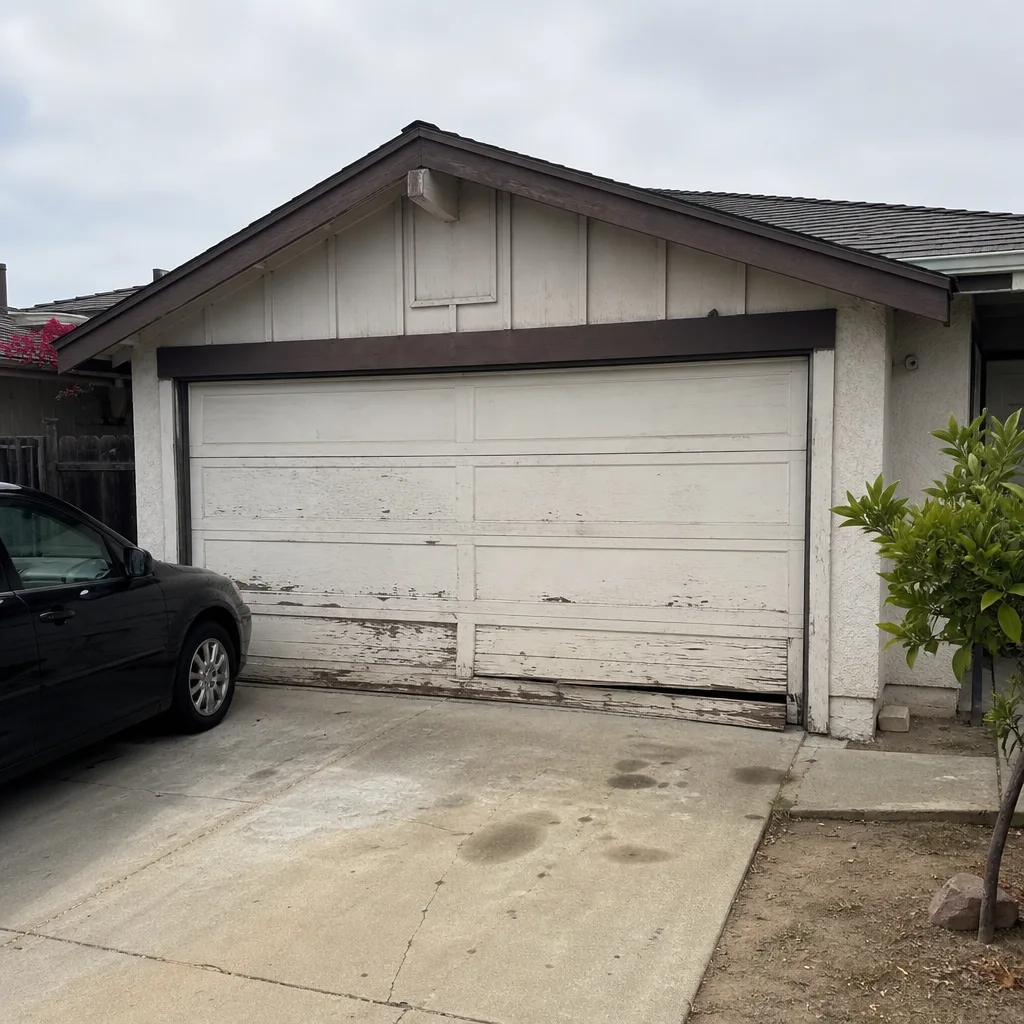 Before
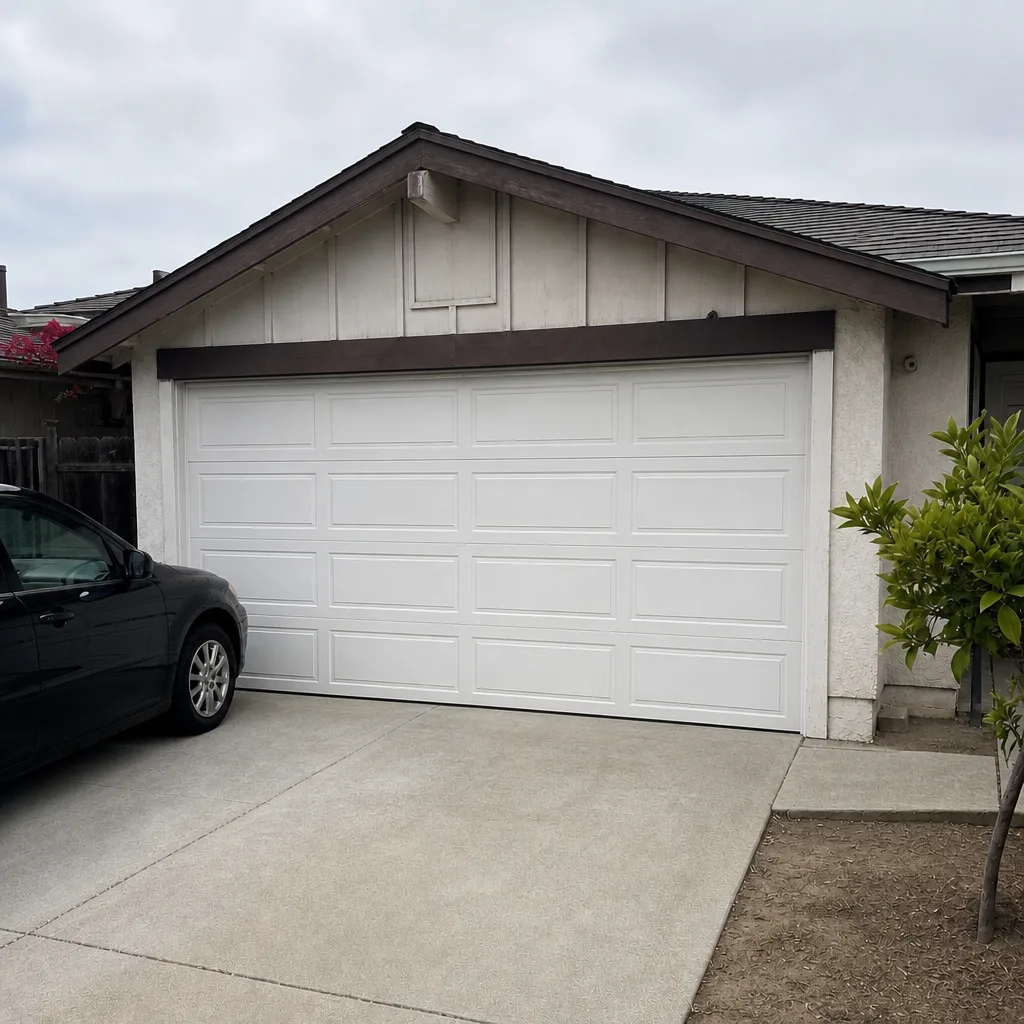 After
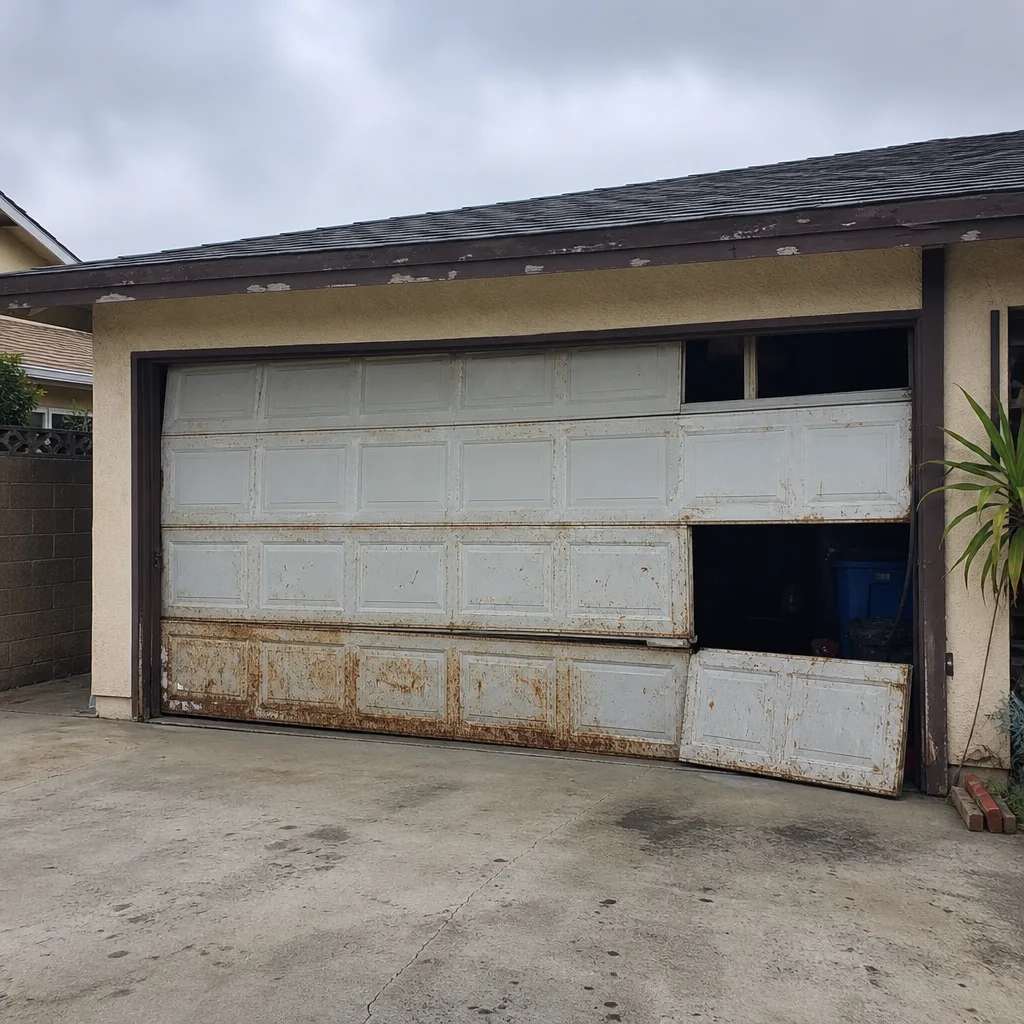 Before
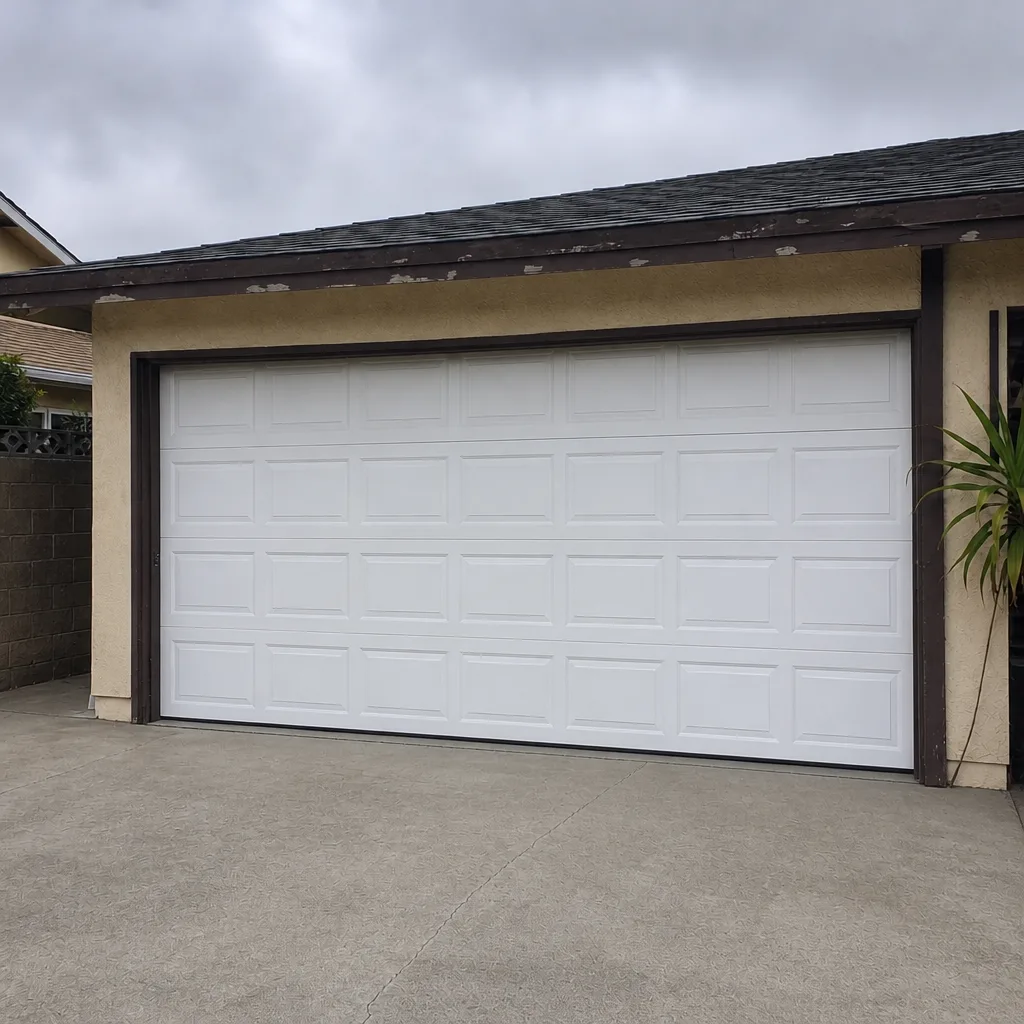 After
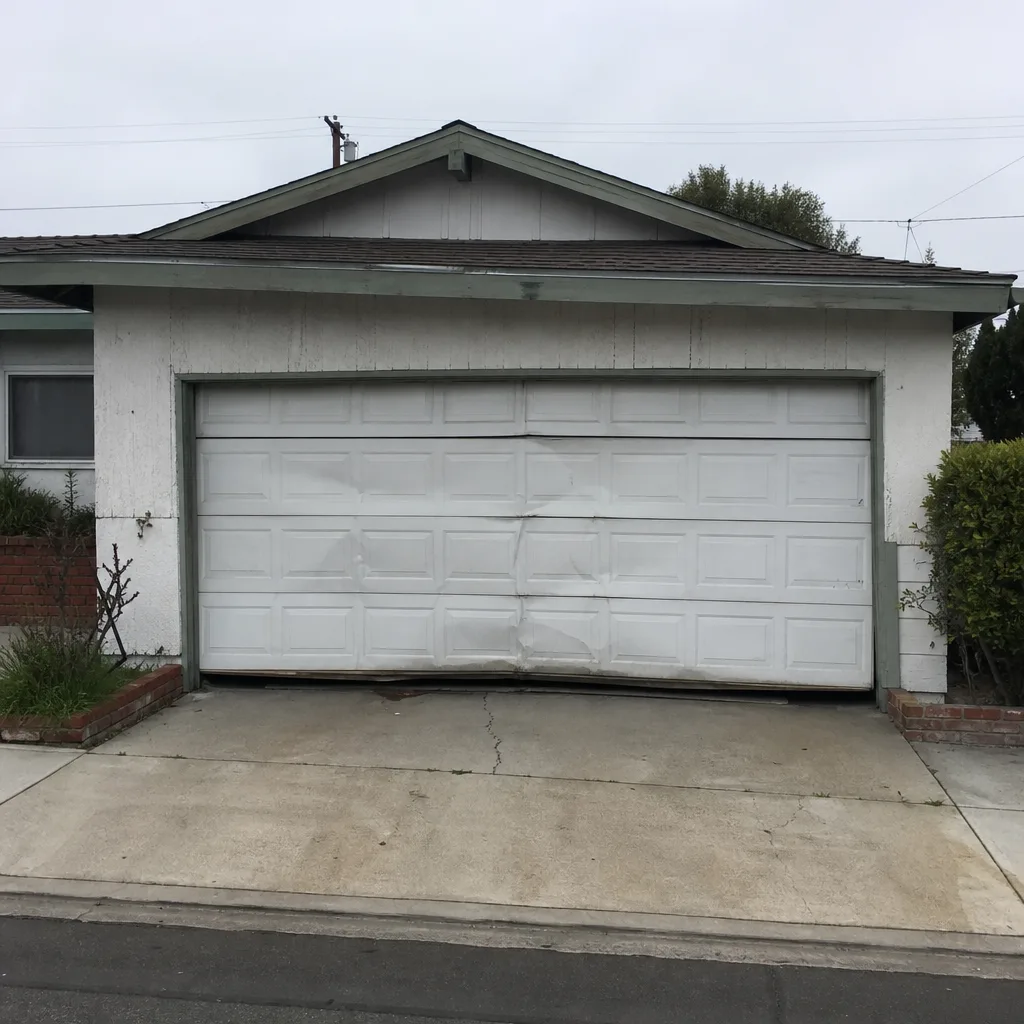 Before
 After
When to Call a Professional
Permit questions are usually the moment when a homeowner discovers that a garage door job is more than a parts swap. If your project includes a new opener, a modified opening, a replaced fire door, or any structural change, the permit path is part of the job, not an add-on. A contractor who handles the permit, schedules the inspection, and stands behind the work absorbs the compliance burden that a homeowner should not carry alone. If you are buying a home in Lakewood and the inspection flags unpermitted garage work, a professional can assess what a retroactive permit would require before you negotiate. If you have a door from Wayne Dalton, Craftsman, or Raynor and are unsure whether a planned change triggers a permit, start with a conversation, not a guess. Garage Door Service Lakewood offers free estimates in Lakewood. Call (866) 596-9807. We answer 24/7. Fast dispatch from 7am to 7pm, Sunday through Friday.
Frequently Asked Questions
A simple panel replacement on an existing opening typically does not require a permit in Lakewood, but a new opener, modified framing, or replaced fire-separation door does. Call (866) 596-9807 to discuss your specific scope, and we will confirm what the City of Lakewood requires. Estimates are free.
Permit fees in Lakewood are set by the Building and Safety Division and vary by scope, with electrical permits for a new opener typically costing less than a full structural permit. The fee is paid directly to the city, not to the contractor. Call (866) 596-9807 and we can walk through what your project is likely to require, and the final quote is set by the written estimate before any work starts.
A licensed contractor can pull the permit for your project through the Lakewood Building and Safety Division, and many homeowners prefer that because it keeps the entire job under one responsible party. You can also pull it yourself as the homeowner, but you then take on the coordination of scheduling and passing inspection. Either path ends with the same inspection.
The inspector notes the specific deficiency, usually an auto-reverse or photo eye issue, and the correction must be made before a reinspection is scheduled. Most failures are corrected in one visit. Call (866) 596-9807 if your current opener was installed without a permit and you want it brought into compliance. We answer 24/7. Fast dispatch from 7am to 7pm, Sunday through Friday.
Insulation alone does not trigger a permit, and Title 24 does not force a specific R-value on most replacement garage doors in an existing unconditioned garage in Lakewood. The energy code becomes relevant in new construction or when a garage is converted to conditioned space.
The written estimate sets the final price, and it is quoted and agreed before any work starts. If the inspector identifies a correction that requires additional scope, we will discuss the repair and a new written estimate before proceeding. Call (866) 596-9807 for an exact quote. Estimates are free.
The Bottom Line
A garage door replacement in Lakewood is usually a straightforward no-permit job, until an opener, a structural change, or a fire door enters the scope. Those three triggers account for nearly every permit situation we see in this market. The City of Lakewood issues its own permits and follows CBC, Title 24, and local fire separation rules, with a practical inspection process that rewards simple compliance. Unpermitted work is easy to ignore today and expensive to fix during a sale. The cheapest approach is to ask the permit question before the work begins, not after. Garage Door Service Lakewood has served Lakewood since 2013 and can help you sort through the compliance picture on any residential door or opener project.
Written by the team at Garage Door Service Lakewood, serving Lakewood since 2013.