
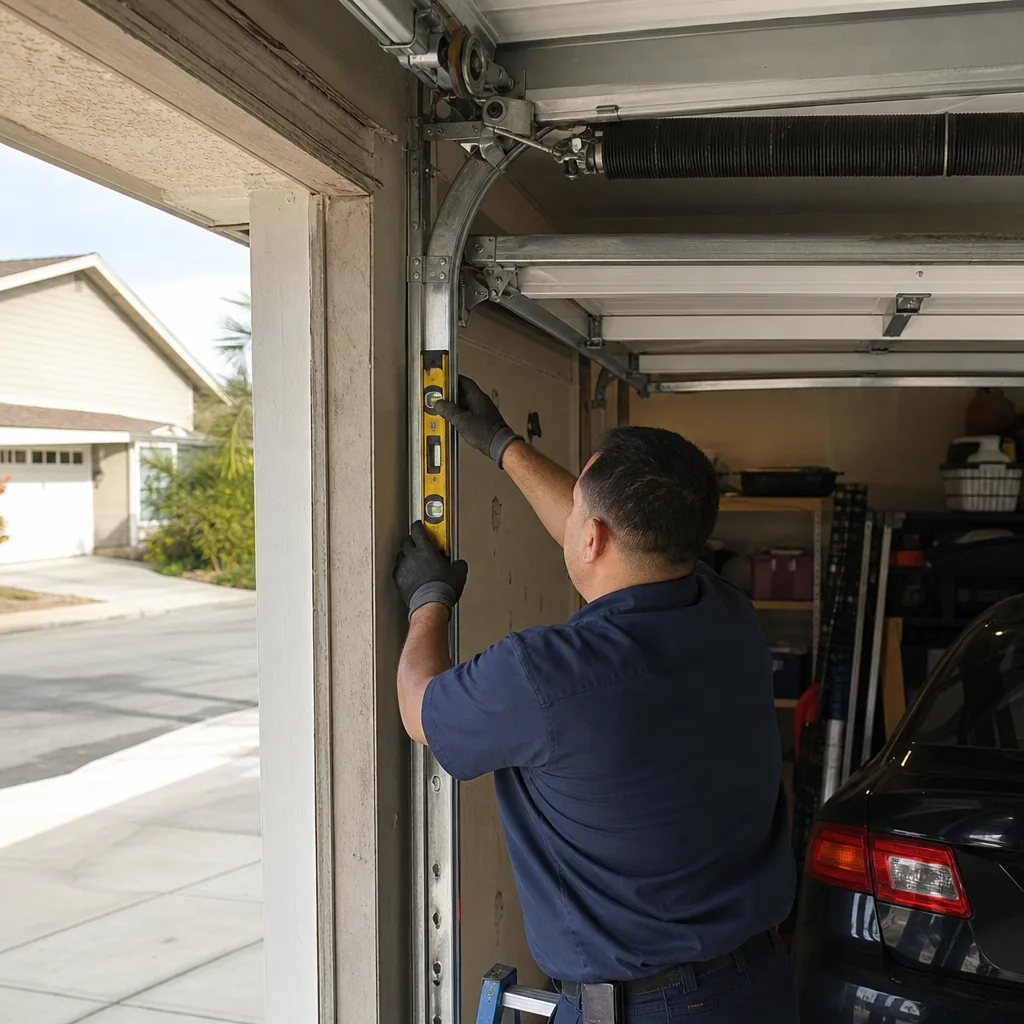
Last updated November 4, 2026
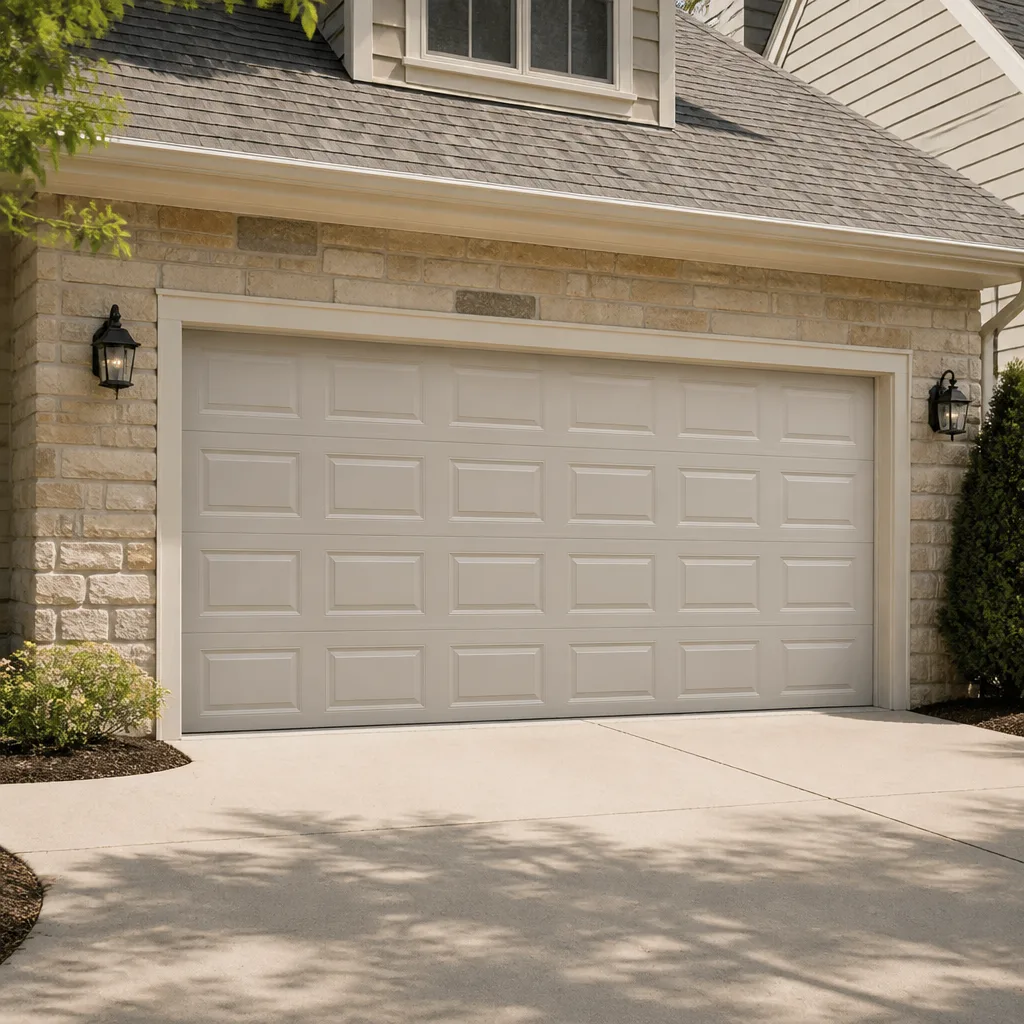 Raised-panel steel
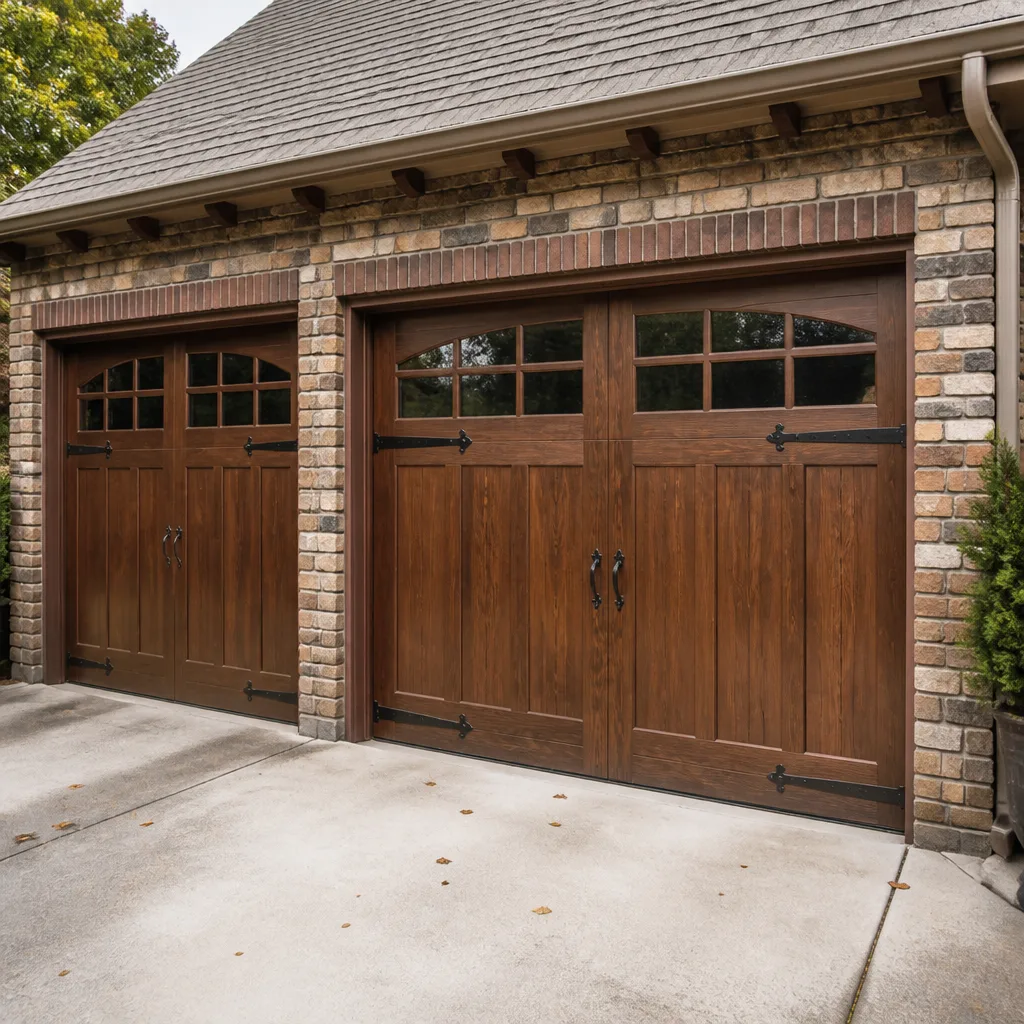 Carriage house
 Modern flush
 Full-view glass
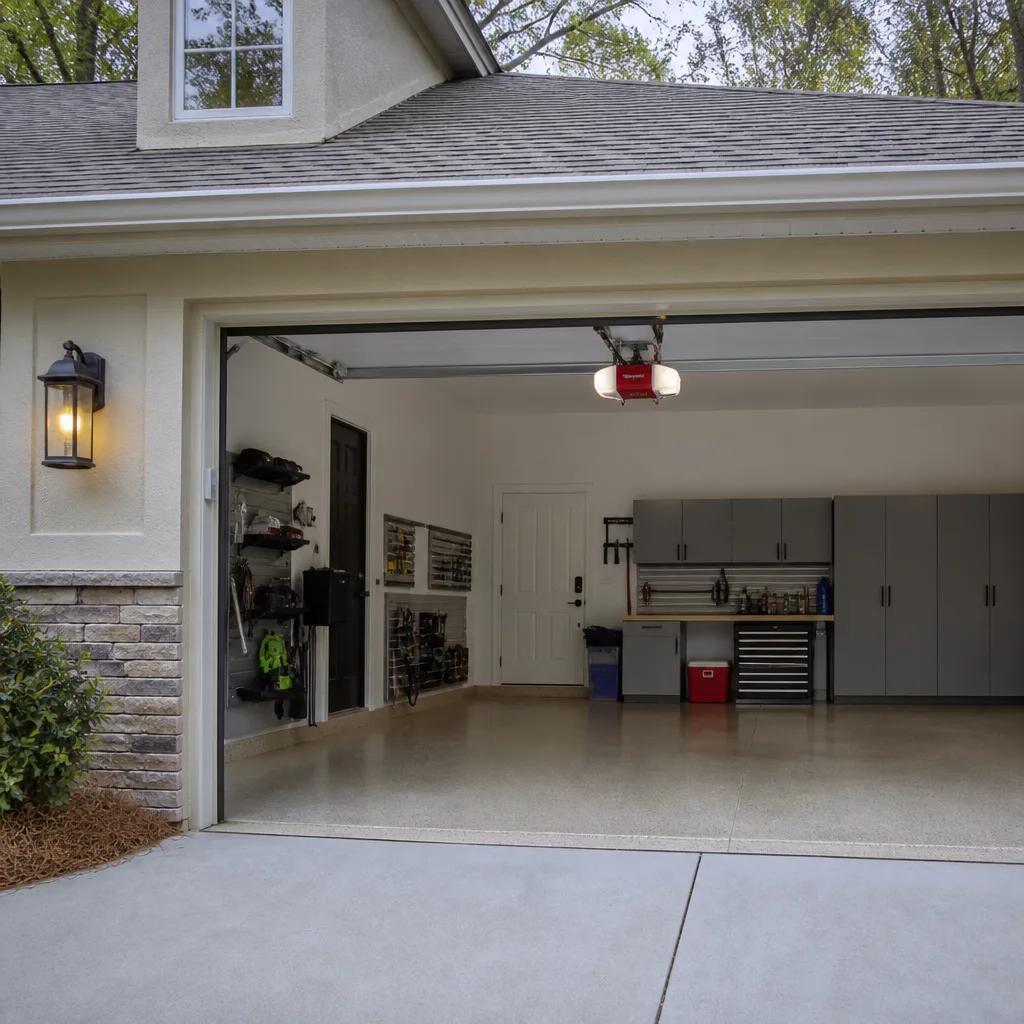 LiftMaster openers
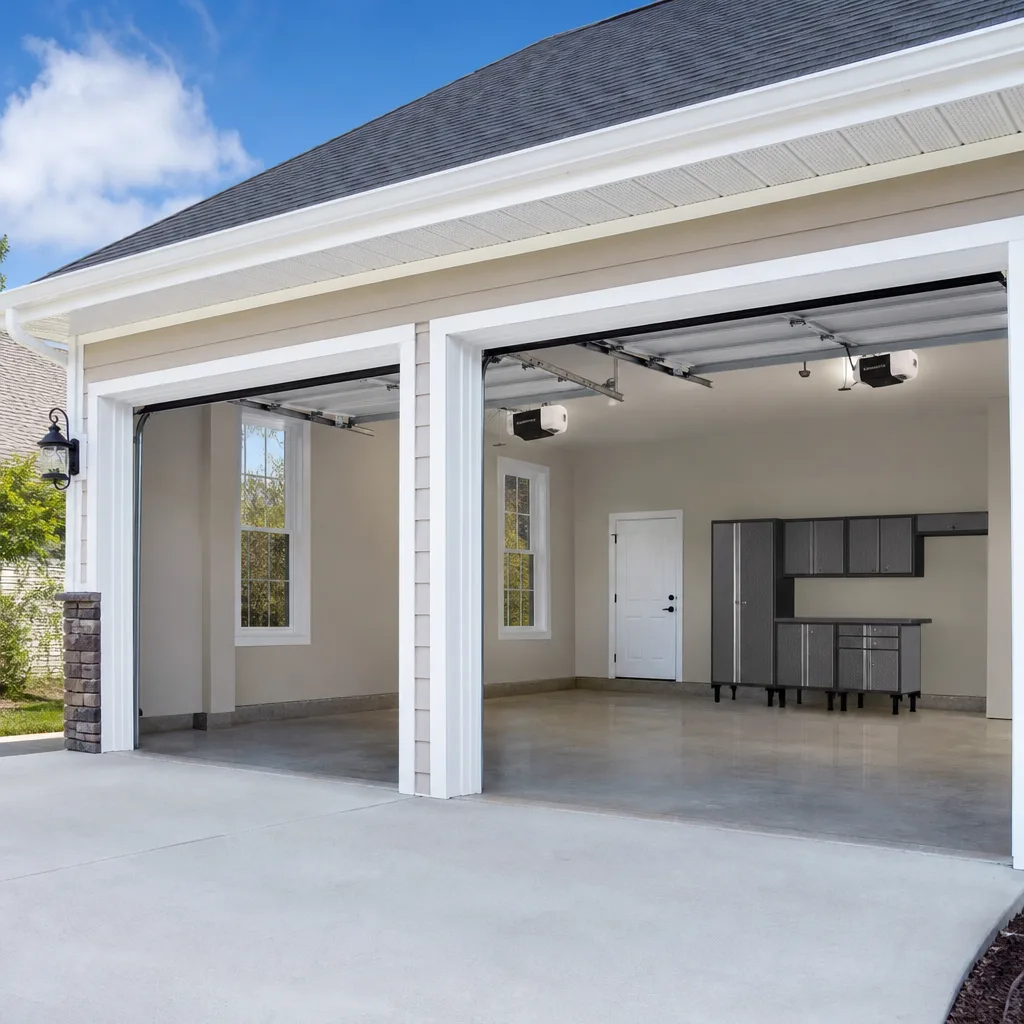 Chamberlain openers
Full 25-point door and opener safety check with every visit - springs, cables, rollers, tracks, and your LiftMaster or Chamberlain opener included
You get a price before we start. It does not change when the truck arrives.
Get your free estimateGarage Door Emergency Preparedness Guide for Lakewood Homes
Most Lakewood homeowners assume a garage door failure will announce itself with a loud snap. The truth is messier. The door that worked fine last night may refuse to open tomorrow morning because a spring lost tension at 3 a.m., or because a small tremor shifted the track just enough to bind the rollers. This guide covers what actually happens during the common failure scenarios here in Lakewood, how to assess the situation without making it worse, and what to do before the technician arrives. You’ll learn how to use the red emergency release cord correctly, which components shift during seismic activity, and how to secure a damaged door so it doesn’t become a hazard.
Quick Answer
A garage door emergency in Lakewood usually means one of four things: a broken spring, a door off its track, an opener that won’t respond, or earthquake-related binding. The first move is almost always to pull the red emergency release cord, but only when you understand what it does and when not to touch it. If the door is mid-travel, jammed against an obstruction, or visibly off-track, leave it alone and call a technician. For everything else, the steps below will get you through the next few hours safely.
Styles & brands we work with
- Raised-panel steel
- Carriage house
- Modern flush
- Full-view glass
- LiftMaster openers
- Chamberlain openers
Table of Contents
- How the Red Emergency Release Cord Works
- Earthquake Damage Assessment for Garage Doors
- Battery Backup: Which Openers Keep Working When the Power Dies
- Securing an Off-Track or Damaged Door
- Power Outage Protocol: Getting the Car Out and Back In
- Blocked Fire Access Lanes: When a Downed Door Becomes a Code Issue
- Spring Failure: What It Sounds Like and What to Do
- Building a Lakewood-Specific Garage Door Emergency Kit
How the Red Emergency Release Cord Works
The red cord hanging from your opener rail is a mechanical disconnect. Pull it, and the carriage releases from the opener chain or belt. That lets you operate the door by hand. What most people don’t realize is that the direction of travel matters. If the door is fully closed and you pull the cord, you can lift it manually without resistance from the opener. But if the door is mid-travel when power fails or the opener jams, pulling the cord while the door is partly open can cause the door to drop suddenly. The carriage releases, the opener stops holding the weight, and a door that was nine feet up becomes a nine-foot fall hazard. The springs are supposed to hold the weight, but if a spring has broken, the door is unbalanced and may come down fast. Here’s the safe sequence:
- Check the door position first. If it’s fully closed or fully open, the release is low-risk. If it’s anywhere in between, proceed with caution.
- Pull the cord straight down. It hangs from the carriage on the rail. A firm pull disengages it.
- Test the door by hand. Lift it a few inches. It should move smoothly. If it’s heavy or jerky, stop. That means a spring has failed and the door weight is unassisted.
- To re-engage, pull the cord back toward the opener. You’ll hear a click when the carriage locks back onto the chain or belt.
We’ve walked many Lakewood homeowners through this over the phone. The most common mistake is pulling the release cord when the door is halfway up after a power blip, then having the door slam down. If you’re unsure, don’t pull it. Call us instead. We answer 24/7 and can talk you through what you’re seeing before anyone gets dispatched.
Earthquake Damage Assessment for Garage Doors
Lakewood sits in a seismically active region, and garage doors are one of the first places earthquake damage shows up. A garage door is a large, heavy panel system hanging from tracks bolted to the framing. When the ground shakes, the tracks can shift, the rollers can bind, and the door can twist in its opening. After a tremor, do not immediately hit the opener button. Take five minutes to look at the door. Stand inside the garage and examine the vertical tracks on both sides. Look for gaps between the track and the wall, or anywhere the track looks pulled away from its brackets. Check whether the horizontal track sections above the door still line up with the vertical sections. Then look at the door itself. Is it sitting flush in the opening, or does one corner sit proud of the frame? Can you see any rollers out of their track? If you see any of these, the door is compromised. Operating it may rip the track off the wall and drop the door. Garage Door Service Lakewood sees this after most moderate tremors in the area, and the repair is usually straightforward when it’s caught early. Trying to force the door open is what turns a small realignment into a full track replacement. If the door looks straight and the tracks are intact, you can test it slowly with the opener. Watch for any hesitation, scraping, or uneven movement, and stop if you hear anything that sounds like metal grinding. This is also a good moment to note where your gas shutoff and electrical panel are, since garage doors often block access to both during post-quake recovery.
Battery Backup: Which Openers Keep Working When the Power Dies
Southern California power outages are usually heat-driven or wind-driven, and they don’t announce themselves. If your garage is the only way into the house and the power drops, you want an opener with battery backup. Not every LiftMaster or Chamberlain opener has one. Some models have the battery tray built into the opener housing; others require a separate external battery unit that mounts beside the motor. The difference matters. Here’s how to tell what you have:
- Built-in backup: Look at the opener itself. Many LiftMaster models with a battery icon on the housing or a visible battery compartment include a rechargeable battery inside the unit. If the opener has a small LED display or a battery indicator light on the wall console, that’s a good sign. These are common on newer belt-drive and wall-mount units.
- Add-on battery: Some Chamberlain and LiftMaster models are backup-ready but ship without the battery. You’ll see a two-pin connector or a marked port on the side of the motor housing where the battery pack plugs in. The battery is a separate purchase and installs in about ten minutes.
- No backup option: Older Genie, Craftsman, Wayne Dalton, and legacy chain-drive units generally don’t support battery backup. Once power drops, you’re on the manual release cord.
Typical runtime on a fully charged opener battery is one to two open-and-close cycles during an outage, plus several hours of standby. That’s enough to get the car out and back in once or twice, not enough to treat the opener as a normal power source. If your home loses power often and your automotive routine depends on the garage, a battery backup is the single most useful upgrade you can make before the next outage. We install and service LiftMaster and Chamberlain openers throughout Lakewood, including backup-equipped models and the add-on battery kits. The install is quick, and the first time you use it, it pays for itself in inconvenience avoided.
Securing an Off-Track or Damaged Door
An off-track garage door is a falling hazard. The door weighs between 130 and 400 pounds depending on material and insulation. Once a roller leaves the track, the door has lost its guide. It can sag, bind, or shift without warning. If you have a door off its track in Lakewood, the goal is not to fix it. The goal is to make it safe until a technician arrives. Here’s the sequence we recommend:
- Keep people and pets out of the garage. This is not optional. A door that moves a foot can crush a foot.
- Do not use the opener. The motor will pull against the obstruction and make the damage worse.
- If the door is partly open, block it from below. Place a sturdy ladder or a pair of heavy wooden blocks under the bottom edge to stop it from dropping further. Do not use a chair, a broom, or anything that can tip.
- Disconnect the opener. The red release cord, when safe, will stop the motor from trying to move the door. Only pull it if the door is stable and you’re confident it won’t drop when the carriage releases.
- If the door is fully closed but pushed off the track at one side, leave it closed. A closed door that’s binding is still safer than an open one. Don’t lift it.
In our experience, most Lakewood homeowners try to push the door back onto the track themselves. That rarely works, and when it doesn’t, the door tends to swing sideways and fall out of the opening. The repair almost always requires the torsion springs to be reset, which is high-tension work and not a DIY job. Springs under load can cause serious injury if mishandled. We send a technician who resets the springs, realigns the tracks, and checks the rollers in one visit. When you call us about an off-track door, we’ll ask you where the door is sitting, whether it’s open or closed, and whether you can see any broken parts. That lets us tell you what’s safe to do before we arrive.
Power Outage Protocol: Getting the Car Out and Back In
The classic Lakewood power-outage scenario: you’re leaving for work, the garage won’t open, and the car is trapped inside. If you have a battery backup, press the wall button and go. If you don’t, the manual release is the only way out. Here’s the full protocol for a no-power situation:
- Confirm the power is actually out. Check a light switch or the garage overhead light. If the opener’s LED is dark and the wall button does nothing, it’s either a tripped breaker or an area outage.
- If the door is fully closed, pull the red release cord. Lift the door by hand. It should lift with moderate effort. If it feels extremely heavy, a spring is broken and you should stop. Attempting to force it up without spring assistance is dangerous.
- Once the car is out, close the door manually. Guide it down by hand. It should descend slowly. If it drops, catch it and stop. You may need a second person.
- Re-engage the opener when power returns. Pull the cord toward the opener motor until it clicks, then press the wall button to make sure it’s locked on.
One thing people forget: your garage door opener is on the same breaker as the garage outlets in many older Lakewood homes. If the power is out in the rest of the house, the breaker probably isn’t the issue. If only the garage is dead, check the panel before calling us. A tripped breaker looks like a service call, and it’s the fastest thing to rule out. If the opener still won’t respond after power returns, you likely have a blown logic board or a bad capacitor. Those are common failure points on older Genie and Craftsman units, and we fix them regularly.
Blocked Fire Access Lanes: When a Downed Door Becomes a Code Issue
In Lakewood, a garage door that has collapsed or jammed open can block more than your driveway. Residential garages that open onto alleys or shared access lanes can obstruct fire department access, and a door that has fallen into the street or sidewalk becomes a public hazard. If your door is down and it’s blocking a fire lane or access point, call the non-emergency line for the Lakewood city building and safety department to report it. Code enforcement generally treats a fallen or severely damaged garage door as an immediate repair item when it affects access or safety. You don’t need to know the code section. You need to tell them the address, the nature of the obstruction, and whether the door is on the ground or still partly hanging. If the door is blocking a sidewalk and can’t be moved safely, keep people away from it and call us for same-day service. We dispatch from 7am to 7pm, Sunday through Friday, and we treat a door that’s creating a hazard as a priority. You may also want to notify your homeowner’s insurance carrier, especially if the door was damaged by an earthquake or a vehicle strike. We can work with your insurer on the repair scope, but the safety timeline usually can’t wait for an adjuster visit.
Spring Failure: What It Sounds Like and What to Do
A broken torsion spring sounds like a gunshot. It’s loud enough to wake you from sleep, and it often happens when nobody is in the garage. That’s a good thing. The spring is under enormous tension, and when it snaps, the released energy is violent. If you hear that sound, the door is no longer safe to lift by hand, and the opener will likely strain or stall. Here’s what to do:
- Don’t open the door. The opener may try, but with one spring broken, the motor is fighting an unbalanced load. You’ll burn out the gear or snap the remaining spring.
- Don’t stand under the door. If the second spring is fatigued, it may fail too. Keep clear of the door’s path.
- Check the spring type. Look above the closed door. Torsion springs are mounted on a bar across the header. If you see a visible gap in one of the coils, that’s your broken spring. If you have a two-spring system, both springs should be replaced at the same time, even if only one snapped. They were installed together and they wear together.
- Call for a repair. Spring replacement is not a job for a homeowner. The winding and unwinding process requires specialized tools and a safe technique. We replace springs from all major manufacturers, including Clopay, Amarr, Wayne Dalton, and Craftsman door setups. Most spring repairs are completed the same day we arrive.
We get calls in Lakewood every week from homeowners who replaced a broken spring with a kit from a hardware store earlier in the year, and now have a door that’s off-track or a cable that’s snapped. The spring size and winding count have to match the door’s weight and height exactly. If they don’t, the door won’t balance, and the opener will fail prematurely. It’s the kind of repair where doing it wrong costs more than the repair itself.
Building a Lakewood-Specific Garage Door Emergency Kit
Every Lakewood home with an attached garage should have a small, dedicated emergency kit. This isn’t about surviving an apocalypse. It’s about being able to respond to the three or four realistic scenarios that happen here: power outages, seismic movement, spring failure, and vehicle strikes. Keep this kit on a shelf in the garage, clearly labeled, and check the batteries every six months.
- Work gloves with grip palms. Manual door operation and post-quake handling means grabbing metal edges and pinched fingers.
- A bright headlamp or flashlight. Power outages kill the garage light. Your phone works, but it’s awkward to hold while lifting a door.
- Two sturdy wooden blocks, 4×4 or 6×6. Cut from a fence post or a scrap pallet. These wedge under a partially open door to stop it from dropping.
- A step ladder tall enough to reach the red release cord. If your ceilings are nine feet or higher, the cord may be out of reach.
- A printed card with the phone number for a local garage door repair company. Yes, that’s us: (866) 596-9807. Write it down. Phones die, and the opener doesn’t care.
- A visual checklist taped to the wall. Just a one-page list: “Check door position. Check tracks. Pull release only if door is fully open or closed. Block before leaving.” It helps when you’re rattled.
The kit is not about becoming your own technician. It’s about buying time and controlling the situation until someone who does this work every day can get there. Most Lakewood homes have the same basic setup: either a single-wide or double-wide door on a torsion spring system, often paired with a LiftMaster, Chamberlain, or Genie opener. The failure modes are predictable, and the response is learnable. That’s what preparedness actually means for a garage door.
Common Mistakes to Avoid
- Pulling the release cord with the door mid-travel. A halfway-open door becomes a drop risk the moment the carriage disengages. If the door is stuck halfway, leave the cord alone and call a professional.
- Using the opener repeatedly after a spring breaks. The motor will grind the broken spring, strip the gear, and sometimes pull the door off its track. One press is too many.
- Assuming a manual door means a fixed door. Getting the door up by hand after a power outage is a temporary solution. The opener still needs to be re-engaged, and the door’s balance should still be checked.
- Ignoring a slow or jerky door. A door that hesitates or scrapes is telling you something. Early track wear, a failing opener gear, or a spring losing tension all start with small symptoms. Waiting turns a $200 adjustment into a $600 repair.
- Storing heavy items directly under the torsion spring bar. The spring area above the door should be clear. If a spring snaps, anything below it is collateral.
- Not knowing where the opener’s manual release is before an emergency. The time to learn is now, not when the power is out and the car is trapped. Locate the red cord tonight and practice pulling it once with the door closed.
- Treating garage door work as general handyman work. Springs, cables, and tracks carry real tension. A handyman with a YouTube tutorial is not the same as a technician who replaces these every week.
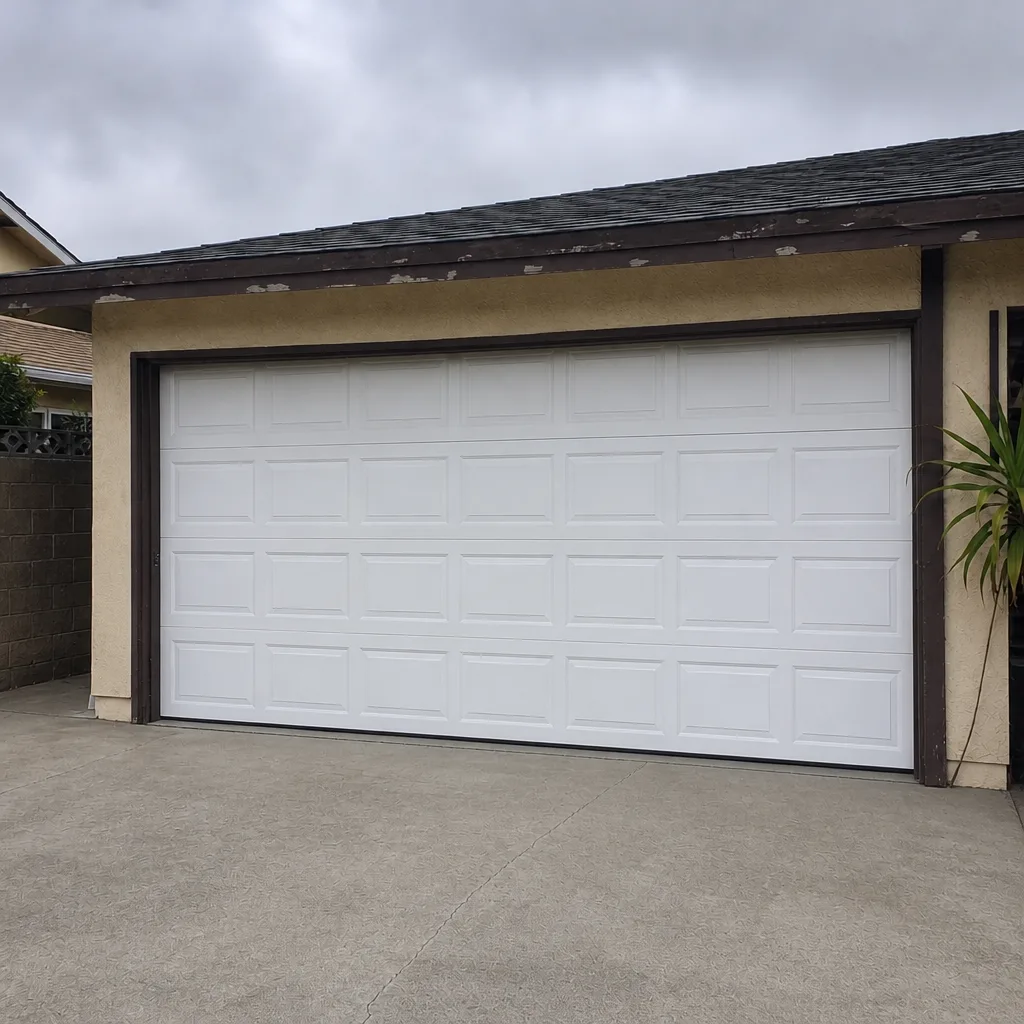
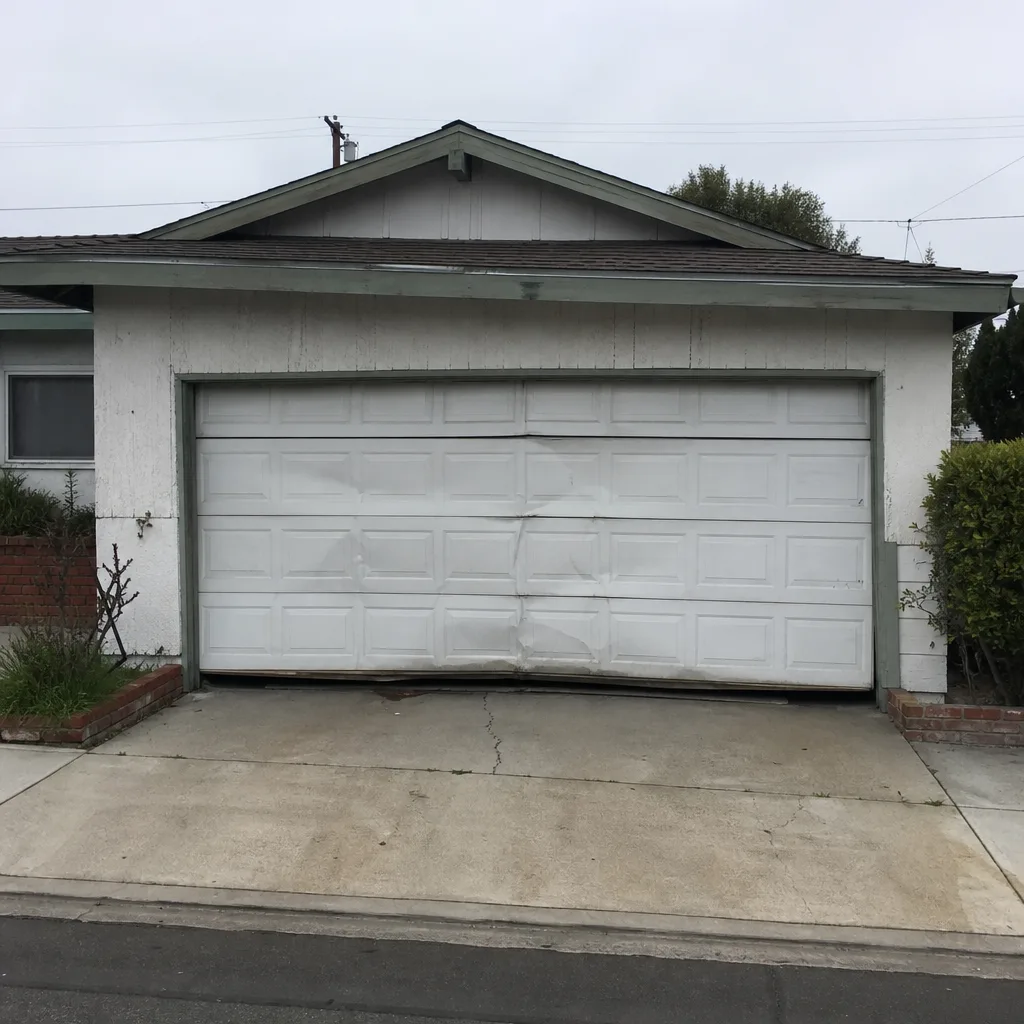
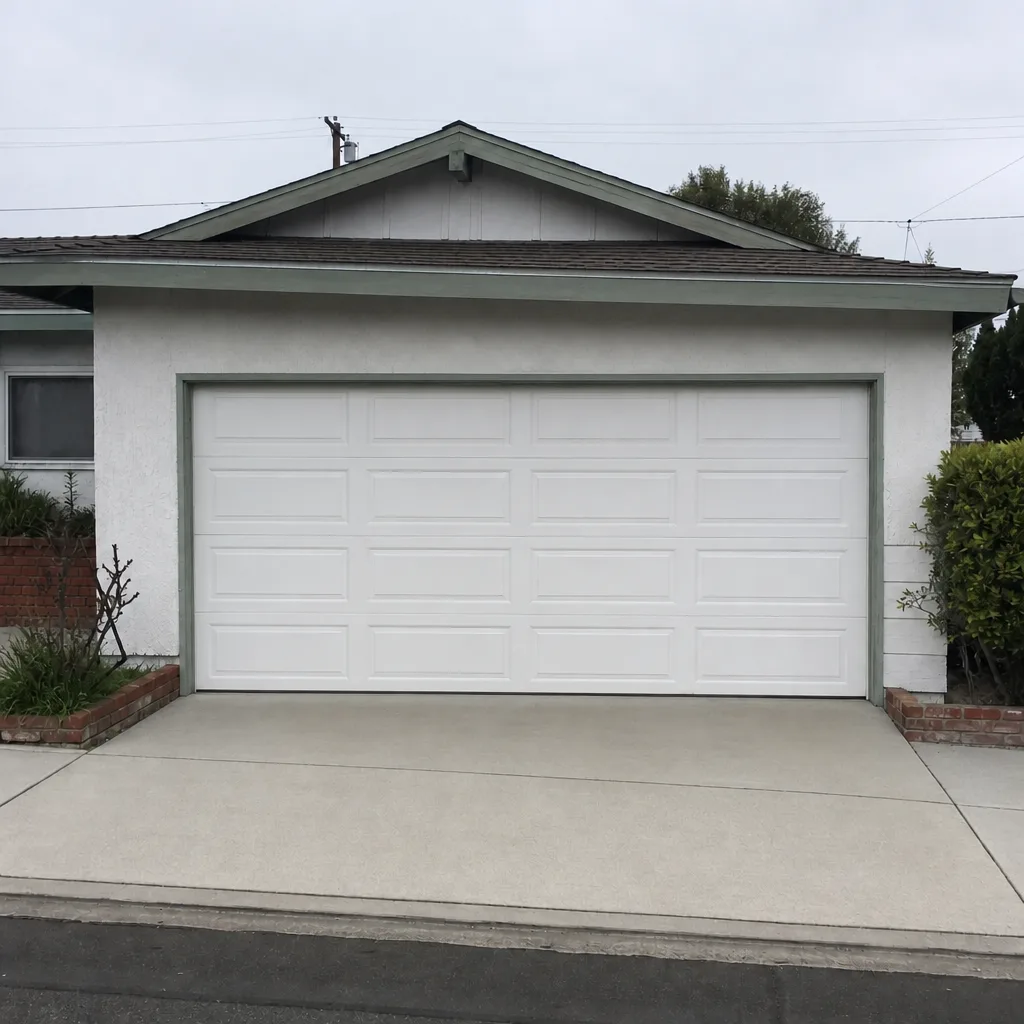
See the difference
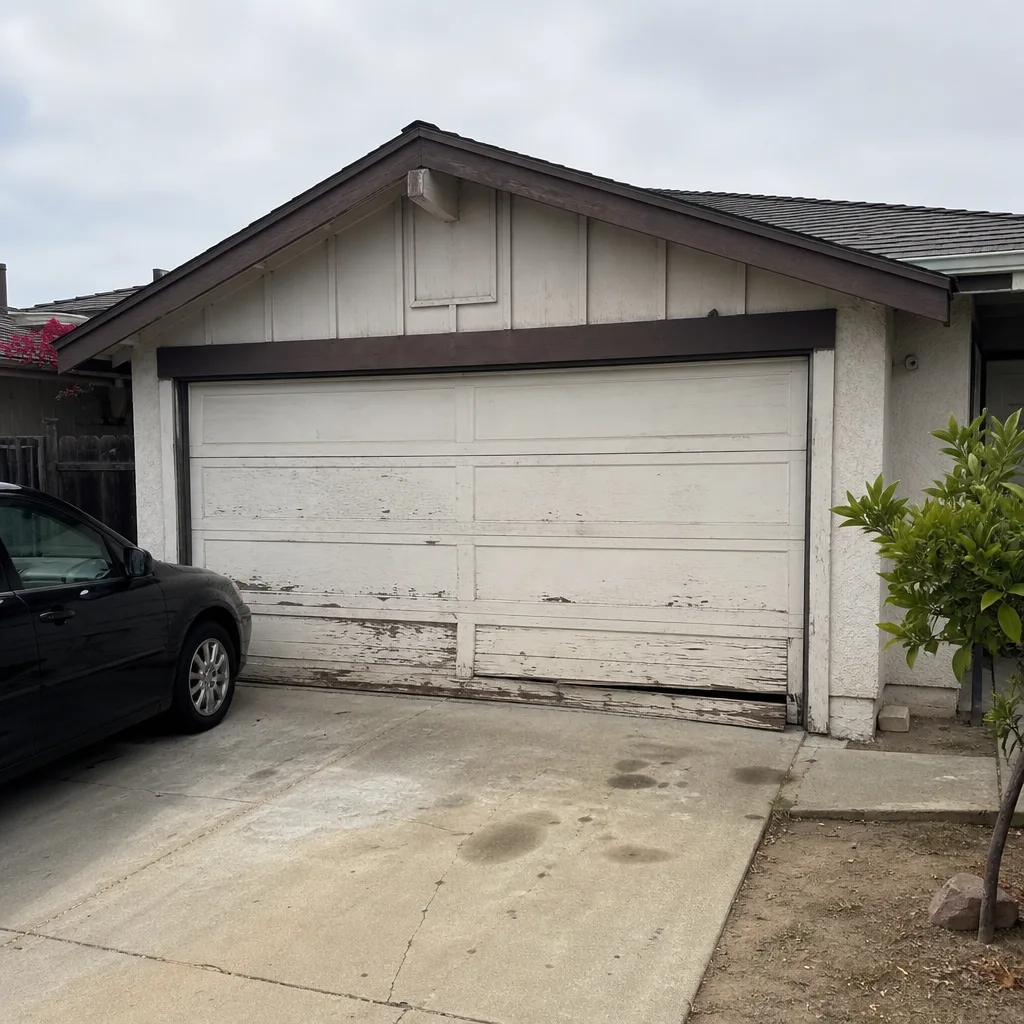 Before
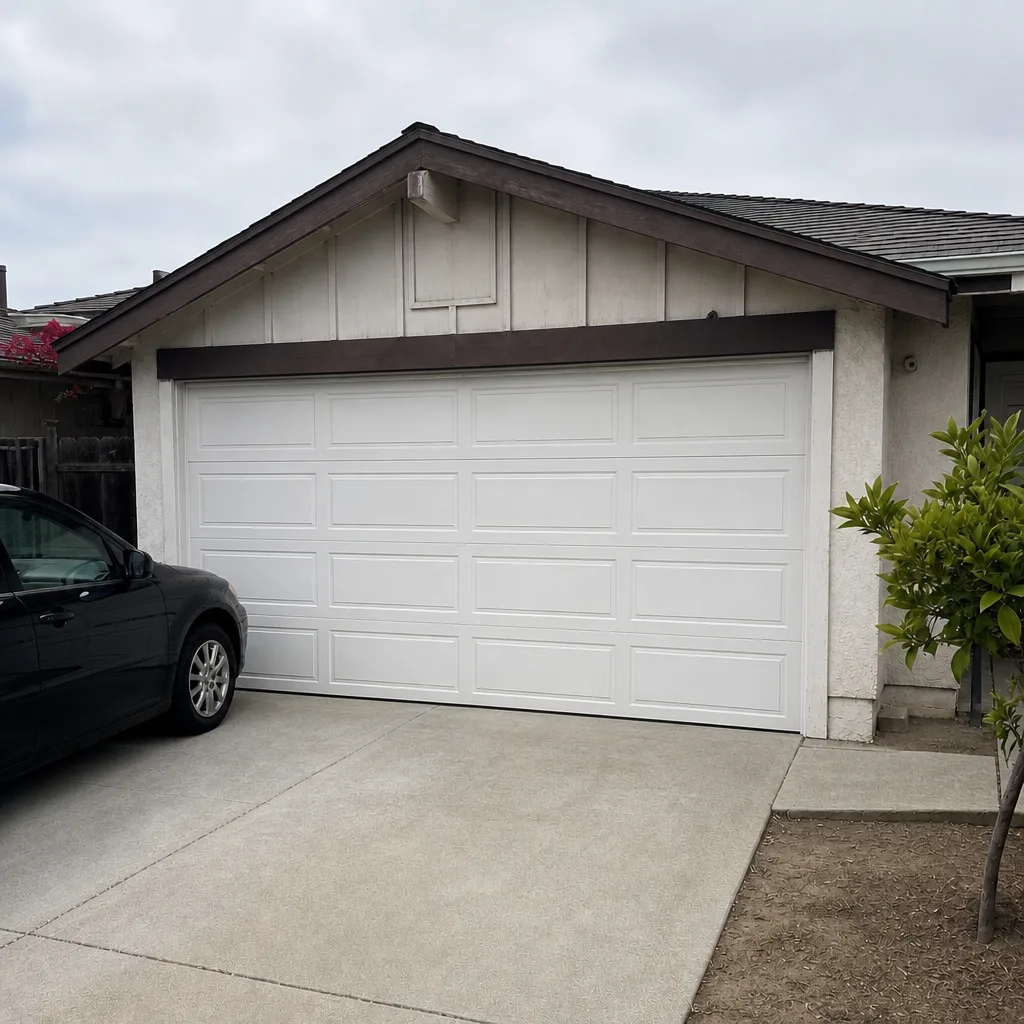 After
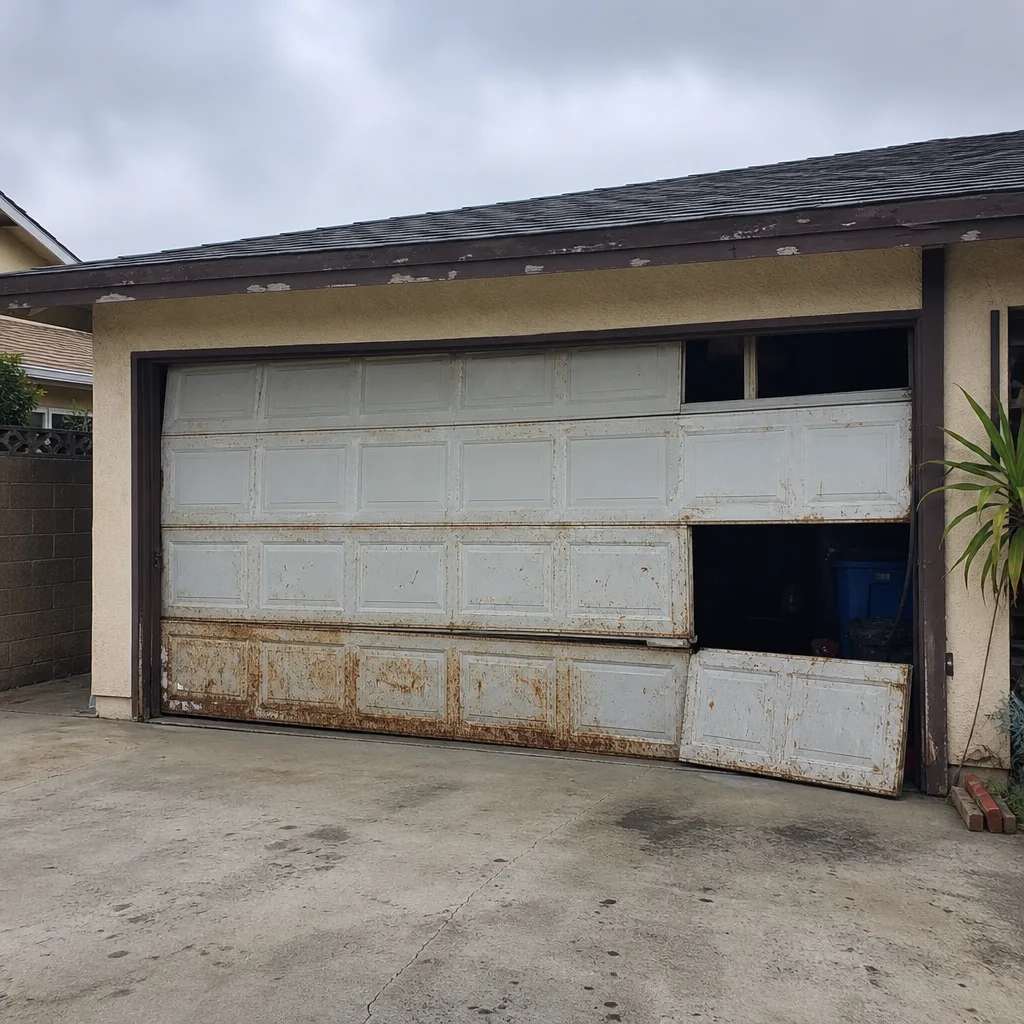 Before
 After
 Before
 After
When to Call a Professional
Call a professional when the door is off-track, when a spring has snapped, when the door won’t balance manually, or when the opener runs but the door doesn’t move. Also call if you’ve had an earthquake and the door shows any sign of track separation or roller binding. These are not adjustable-with-a-wrench problems. They involve stored tension, heavy panels, and precise alignment. Garage Door Service Lakewood offers free estimates in Lakewood – call (866) 596-9807. We answer 24/7. Fast dispatch from 7am to 7pm, Sunday through Friday. Most systems are back in service the same day we arrive.
Frequently Asked Questions
Pull the red emergency release cord hanging from the opener rail, then lift the door by hand. Only do this if the door is fully closed or fully open. If it’s mid-travel, call a technician instead. Once power returns, pull the cord toward the opener motor to re-engage it. If the door feels too heavy to lift manually, a spring has failed and you should stop and call us.
Yes, but only if the tracks have shifted enough for a roller to leave the rail, or if a spring was already weakened. The door itself won’t spontaneously fall from the ceiling. After any Lakewood-area tremor, do a visual check of the tracks and rollers before using the opener. If anything looks out of line, don’t operate the door. A technician can realign it before it becomes a drop hazard.
The price depends on the component that failed. A spring replacement typically runs between $180 and $340 per spring, and a matched pair costs about twice that. An off-track repair is usually less than $250 when the door and tracks are undamaged. A new opener starts around $350 to $550 installed. These are typical ranges, not quotes. The written estimate we provide before any work begins is the number that matters. Call (866) 596-9807 for an exact quote – estimates are free.
Many newer LiftMaster wall-mount and belt-drive models have a built-in battery tray. Some Chamberlain models are backup-ready but need a separate battery pack that plugs into the motor housing. Older Genie, Craftsman, and Wayne Dalton openers generally don’t support battery backup. If you’re not sure what you have, look for a battery indicator on the wall console or a visible battery compartment on the opener itself.
Keep people and pets away from the door, don’t use the opener, and block the door from below if it’s partly open. Don’t try to push it back onto the track. The Springs are under tension, and a misstep can drop the door. Call a technician. We dispatch same-day from 7am to 7pm, Sunday through Friday, and most off-track doors are back in service in a single visit.
It can be, especially if the door is fallen, visibly hanging, or blocking a fire access lane or sidewalk. Lakewood code enforcement treats a door that creates an access or safety hazard as a priority repair item. If your door is blocking a public way, report it to the city and call us same-day. We’ll get it secured or repaired quickly.
The Bottom Line
Garage door emergencies in Lakewood follow a pattern. The specific risks here are seismic, not freezing; power-related, not weather-related. That means the preparation that matters is knowing how to use the red release cord, checking your opener for battery backup before you need it, and having a plan for securing a damaged door. Most problems that become disasters are the ones that get forced. A door that’s off-track or unbalanced is not a door you muscle back into place. It’s a door you leave alone and call a professional about. If you own a Clopay, Amarr, Wayne Dalton, or Craftsman door, or run a LiftMaster, Chamberlain, or Genie opener, we work on it. Call (866) 596-9807. We answer 24/7. Fast dispatch from 7am to 7pm, Sunday through Friday. The estimate is free, and the price is set in writing before any work starts.
Written by the team at Garage Door Service Lakewood, serving Lakewood since 2013. We provide garage door repair and garage door opener repair across the area.